Leave Your Message
The recent sustainability drive has transformed, among others, the industry of disposable products. At the forefront of this transformation lie the Recycled Paper Plates, an eco-friendly alternative for the modernistic buyer and the modernistic Americas alike. The report by Smithers Pira states that the sustainable packaging market is likely to reach $500 billion in the year 2024, which shows a considerable shift towards eco-friendly materials. The preference of consumers toward products that are able to reduce waste and are made using recycled materials will definitely contribute to the increased demand for Recycled Paper Plates.
NINGBO VALUPAPER CO., LIMITED understands the importance of this emerging trend. Since 2011, we have been devoted to supplying a line of high-quality paper products that cater to various demands of customers operating in different sectors. The invention of Recycled Paper Plates will not only give a chance for us to innovate but also helps in addressing our obligation to the future sustainability of the earth. In line with working toward an environmentally friendly planet, we can bring to our customers paper products that are designed for function as well as for eco-friendliness through adaptation in production processes and the use of recycled materials.
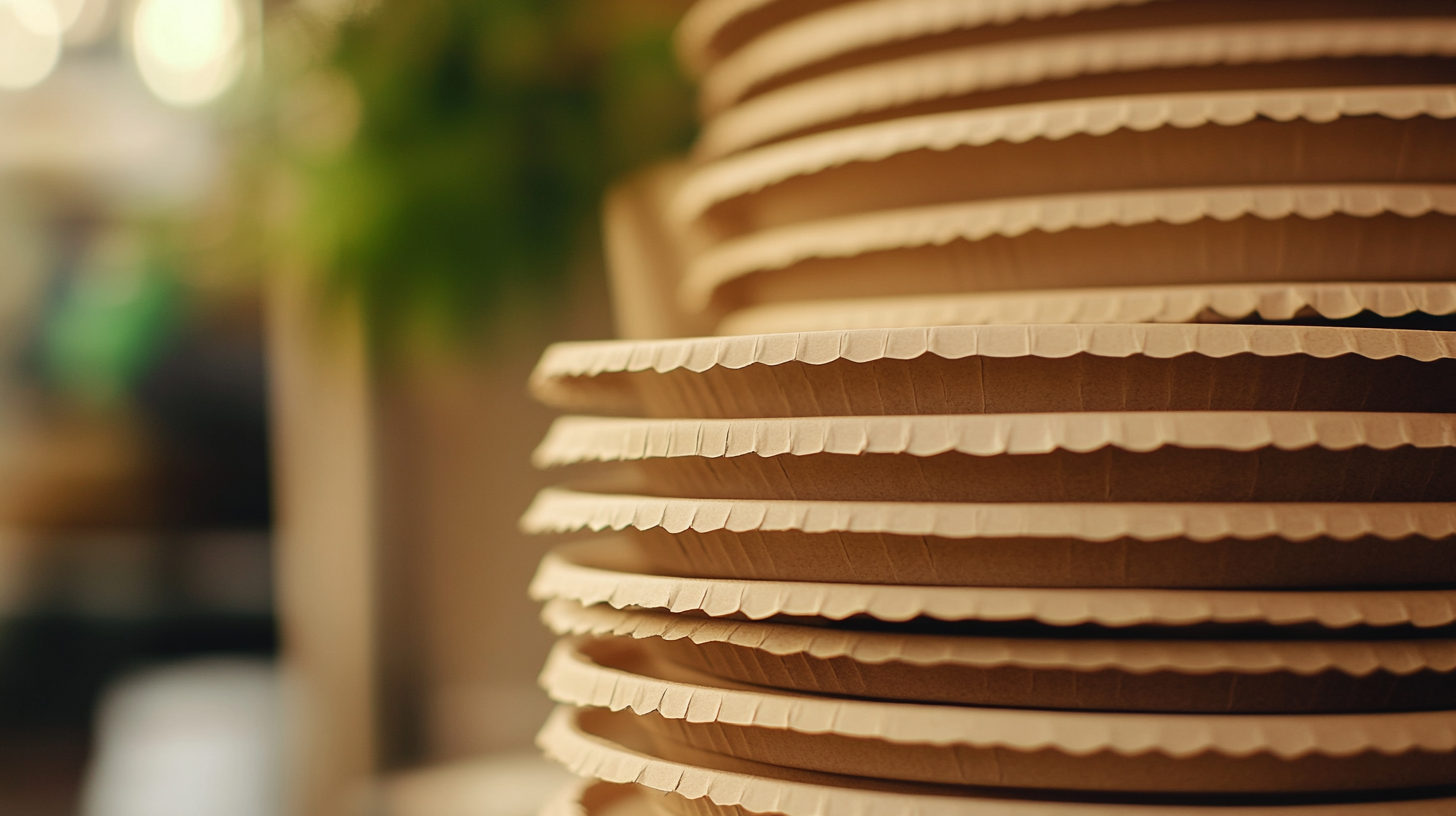
Over the last few decades, the deliberations over environmental effects posed by disposable tableware have heightened. Conventional items broadly classified as single-use are usually made from plastic or non-recyclable materials, which aimlessly get disposed of. The dire need for sustainable alternatives is paving the way for innovations in recent years to solve this dilemma; recycled paper plates being a more responsible choice for the conscious consumer as well as industry. The manufacture of recycled paper plates involves the use of post-consumer wastes and thus greatly reduces dependency on virgin materials. This innovation has the potential to prevent the mass tree felling that occurs to provide virgin raw materials and reduce the energy and water consumption traditionally employed in making paper. The use of recycled paper plates thus not only means carbon reduction but would also promote a circular economy. Besides, many recycled paper plates are also designed to be biodegradable or compostable so that they naturally decompose without remaining in long-standing environmental degradation. Beyond environmental profits, ecosystems recycled paper plates are easy to mold and are durable enough to serve both hot and cold foods at any kind of event or gathering. With more companies now investing in this sustainable principle, consumers can look forward to an even wider array of trendy yet functional choices. This scenario not only caters to the demand for green products but also strengthens the market for sustainable goods, proving that environmental consciousness can go hand in hand with design and convenience. Innovations such like these make the transition to sustainability for disposable tableware a hugely possible, and even greatly desirable, endeavor.
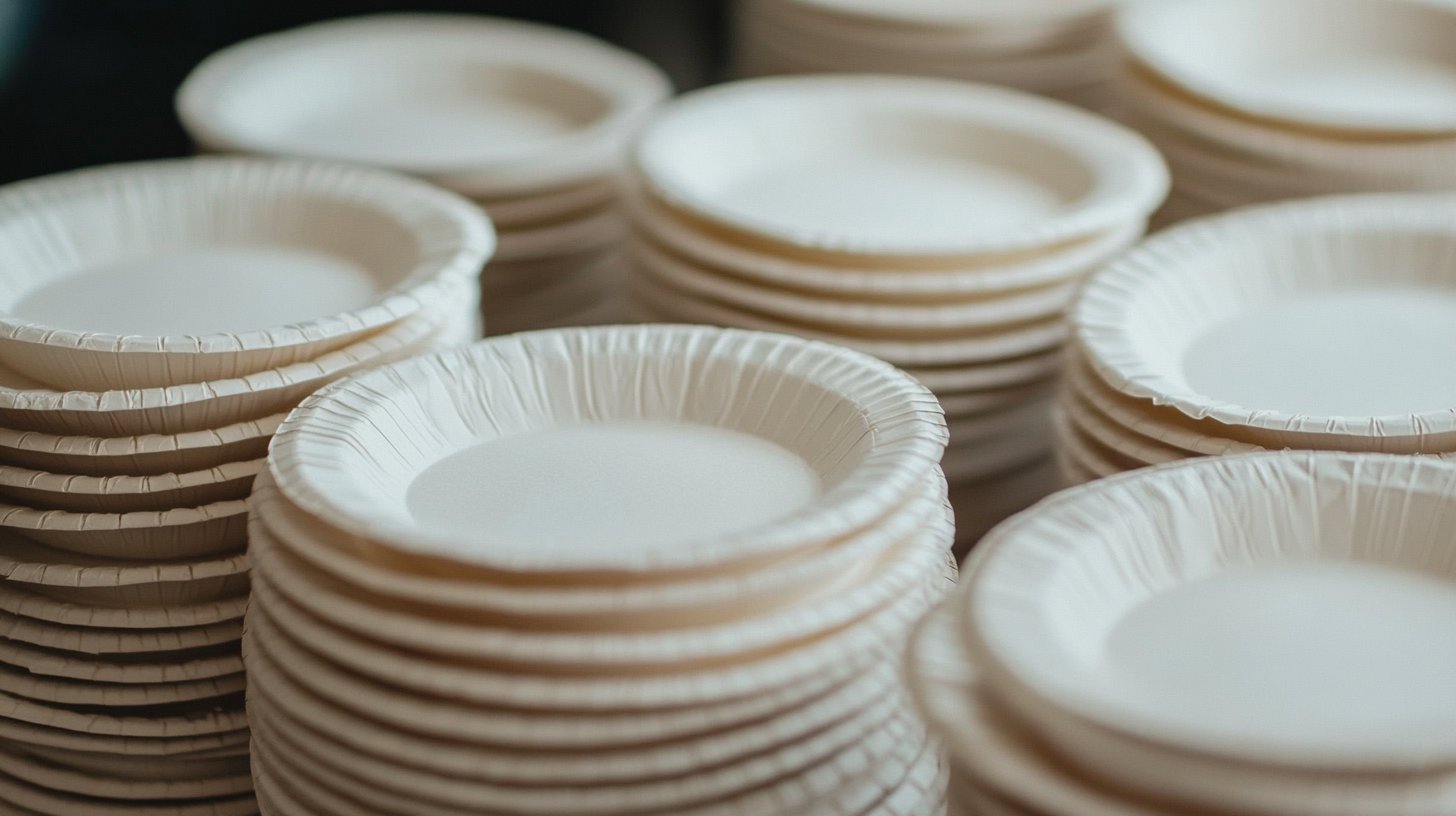
In the realm of disposable tableware, recycled paper plates have emerged as an eco-friendly alternative gaining a lot of attention. To fully understand and appreciate the environmental benefits, one should know about the materials and processes of making them. Made from post-consumer paper products like newspapers and cardboard, these plates undergo a series of quite innovative steps which are largely driven by the ethos of sustainability. The recycling process begins with amended collection of used paper that is then sorted and cleaned of contaminants. This ensures that the product is food safe and strong enough for all kinds of dining experiences.
After cleaning, paper is pulped and molded into plate shapes using special machines. This method saves raw materials in a massive way vis-a-vis conventional paper plate production. Some manufacturers use water-based adhesives and coatings that help in enabling eco-friendliness right at the stage of manufacturing. The entire procedure stands testimony to the environmental consideration, creating a cycle whereby discarded papers are recycled, thus reducing landfill waste and conserving natural resources.
The benefits of recycled paper plates go beyond ecology. Lightweight, easy to use, and biodegradable, these plates are the perfect answer to get-togethers, picnics, and other functions. Besides, they are also available in many designs and shapes according to the need of consumers without compromising their functionality or the product's appearance. When consumers reach for recycled paper plates, they help in mitigating the impact on the environment while still appreciating the ease and functionality of disposable cutlery.
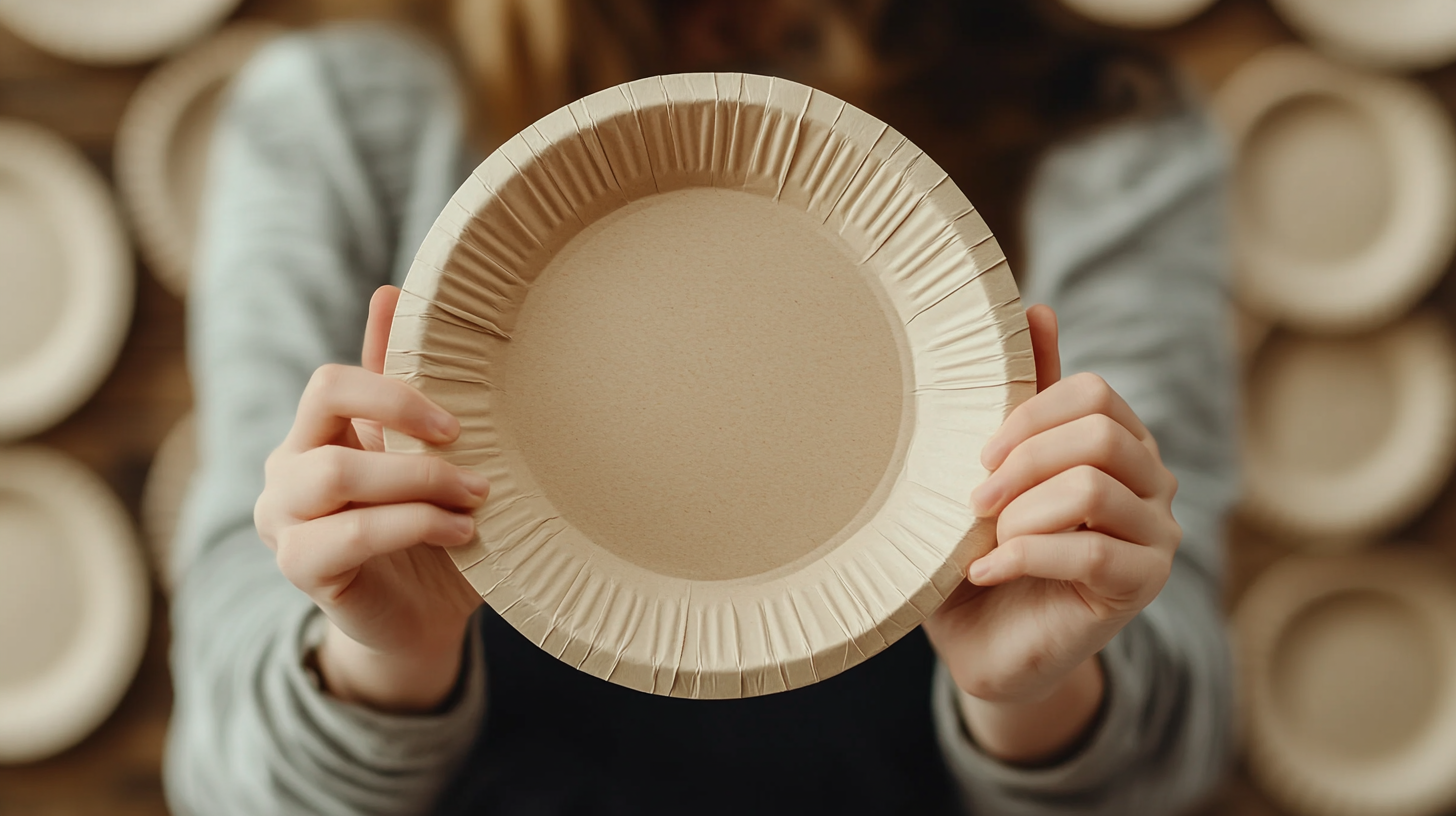
Most of their novel advancements in recycled paper plates have been witnessed in the last few years whereby our technology embraces a more sustainable future. With increasing education on reducing plastic waste, firms have been looking into various sustainable materials and are now developing new designs that can enhance their functionality or aesthetic appeal. In recent reports, the studies reflect that biodegradable packaging development could witness a drastic growth of about 14% in demand every year-that is indicative of timely transition toward eco-friendly means.
Among the trends currently shaping the design of recycled paper plates is the application of smart and functional features. For instance, advanced technologies, such as 3D printing, are now being employed by some of the major food service companies to custom-build the plates in shapes and sizes designed to meet varying consumer needs. This contributes to a greater visual appeal and functional user experience. Nevertheless, partnerships between brands and technology providers have catalyzed the design of plates that keep food fresh through innovative coating materials-which greatly reduce waste.
Annie programs implemented by companies such as Bright Dairy in China for the recycling of products will further boost the circular economy in adapting recycled materials. Their initiatives could serve as a blueprint for other industries attempting to innovate packaging by proving that innovative designs in recycled paper products could also serve environmental purposes. As such advancements are carrying on, it is expected that recycled paper plates shall not only contribute towards sustainability but also revamp the culinary experience by employing newer environmental stewardship measures.
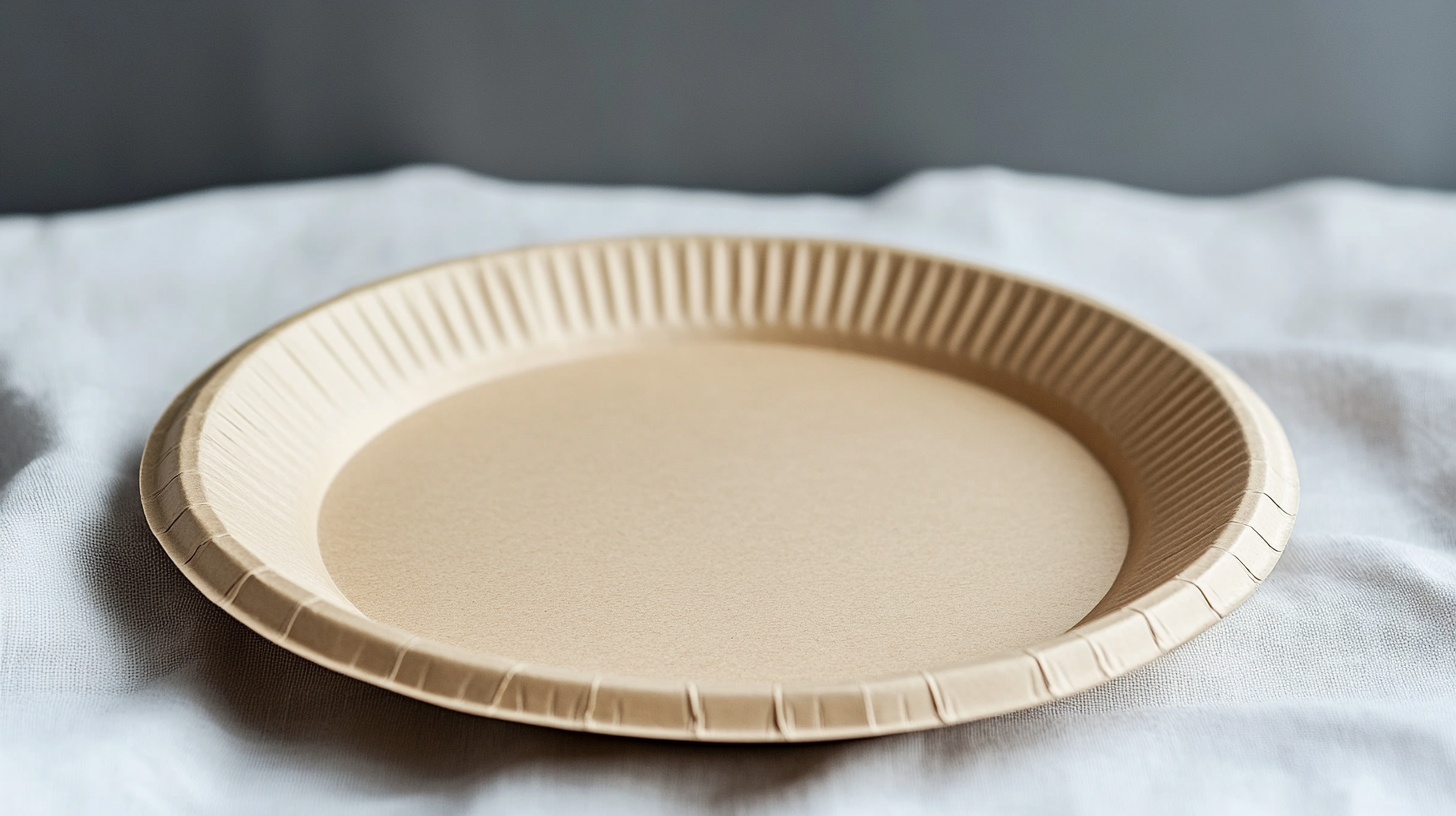
The use of recycled paper plates as an ecologically sustainable alternative to traditional tableware has played a very big part in the environment. With respect to environmental advantages, using recycled paper plates minimizes waste and lowers the carbon footprint. According to the American Forest & Paper Association, recycling one ton of paper saves seventeen trees, seven thousand gallons of water, and one and a half tons of carbon emissions. This goes to show that the simple act of using recycled products can go a long way toward conserving our natural resources.
The process of making recycled paper plates also uses far less energy than making plastic plates, which are derived from petroleum-based materials. The EPA states that the manufacture of recycled paper products uses even less energy, about twenty-eight percent less than made-from-new-paper-from-virgin-fibers. Thus, the choice for recycled paper plates not only protects the forests but also paves the way for the establishment of a sustainable production cycle based on eco-friendly materials in the day-to-day scenario.
Also, let's see from some recent exponents around the globe from Vietnam's recycling initiative of 3,000 tons of cardboard that the circular economy is beginning to make inroads. Possible implementations of such strategies for paper plates can drive community awareness and engagement in these recycling programs, inevitably leading to more sustainability of their waste management and resource usage. The fast-growing market for recycled paper plates embodies the collective movement toward environmental responsibility, making it a concern for all responsible consumers who wish to mitigate their ecological impact.
The economic advantages of recycled paper plates run long, cost-effective alternatives to traditional disposable dinnerware. Their main advantage lies in raw material savings. Recycled paper plates utilize less energy and fewer resources in producing them than either plastics or virgin paper. Such a notable reduction in production costs allows manufacturers to lower vacation for these more sustainable options and makes them cost-effective for those looking to save and not waste too much money while going green.
Using recycled paper plates affords savings to businesses and consumers as well. For example, there is potential saving for restaurants and catering services, which would switch to green disposables as part of their greening efforts and become ever more attractive to an eco-conscious clientele. From one whose customers are becoming increasingly aware of how their purchases impact the environment, it is not surprising that such a business invests in greener solutions to appeal to and retain customers. In a world of sustainability as a determining factor in purchasing decisions, this kind of business may find it more effective in drawing consumers. Also, reduced landfill waste by communities renders cost savings to them in disposal. All of these could lead to a very low economic footprint for them.
However, the return investment in recycled paper plates technology behind innovation and job creation in the green sector is brought forth. As these firms move to embrace the sustainable solutions trend, they have created more job opportunities than there previously existed for skilled workers in recycling, manufacturing, and distribution. This will not only benefit the local economy but also continue pushing forward advances in sustainability. It feeds itself into a cycle for both environment and economy. The emergent recycled paper plate is, therefore, not the trend's mere flicker; it is a movement poised at making a sustainable future without tangible economic cuts.
Awareness about eco-friendly products is expected to rise tremendously as consumers realize the need for environmental consciousness. Gradually, as trends shift, the demands for recycled paper plates are increasing. These innovative products also address waste situations and are quite useful, holding them in the interest of so-called environmentally-conscious consumers. For example, the green packaging market, which is anticipated to touch $287.5 billion in sales by the year 2032, is representative of changes in the focus of consumers toward greener living as they have become increasingly keen towards purchases prioritized for the sake of sustainability.
Germany is expected to fire the green consumption cannon, influencing production and marketing strategies within the entire industry. The companies realize that consumer decisions and the company goals need to evolve from "business as usual" to sustainable practices under transparent sourcing so that they may continue to satisfy consumers. As families become more conscious, so will the demand for biodegradable products and packaging made from recycled materials. This is a general trend whereby consumers are willing to pay a premium for products defined along the line of sustainability or environmental responsibility.
The media and advertising that advocate for an eco-friendly environment will also sharpen consumers widely. Brands that promote themselves as green would surely be a promising market for lifetime loyal customers looking for something other than just products but an ethical story. This setting, when more consumers adapt to that position, will not do damage to the planet rather will enhance its practice positively within the industry, creating a sustainable future for all. The impact on the development of products as well as market trends continues to run deep and wide as consumers continued to adapt.
While the food service industry continues to evolve to meet demands from consumers, the adoption of recycled paper plates in restaurants is picking up speed. As food gets more delivered, especially through the long-drawn-out pandemic, restaurants are looking for viable options to traditional disposable diningware. Besides addressing environmental concerns, recycled paper plates answer a growing need for consumers' green desires: these plates are produced from post-consumer waste, thereby significantly reducing waste and environmental footprints tied to single-use plastics.
Regulations bringing down the walls for single-use plastics in countries like Canada are forcing restaurants into searching for greener alternatives, such as recycled paper plates. These plates can be produced from renewable resources like wood pulp and bamboo, and they are biodegradable, rendering them as paradigm shifts out of the plastics products. The disposable paper products market, with projections of expansion, hence leaves an opening for enterprises to carry the weight of change into a greener future within the food service industry through the adoption of such innovations.
In addition to enhancing a restaurant's sustainability credentials, the move also appeals to its environmentally-conscious customers. With food service packaging in line with eco-friendly practices, restaurants are able to build up their brand image and attract a loyal customer base while helping create a sustainable future. This deliberate consideration in food services leads us into a future where dining becomes more responsibly crafted and innovative.
There are a number of challenges facing the recycled paper plate industry, from sustainability through productivity to consumer perceptions. One of the biggest obstacles is the strength and durability of recycled paper. Historically, recycled fibers have made the resulting plates weaker as compared to plastic or other plates that are not made from recycled materials; this inhibits manufacturers and consumers from switching over. To combat this, businesses are investing the time and resources into high-tech pulping processes to strengthen recycled fibers to an extent that they can be realistically used every day without losing any environmental benefits.
Availability and uniformity of recycled paper supply is another major issue. Most manufacturers will depend on a flow of post-consumer paper waste that often changes according to what is being recycled in different regions. Some companies have taken the initiative of signing contracts with local recycling programs so that one can be guaranteed a continuous supply of raw materials. Additionally, creating awareness within communities on the importance of recycling can contribute immensely towards increasing the quality and quantity of recycled paper available for production.
Another important variable in the market growth of recycled-paper-plates is consumer perception. Most people still hold the view that recycled products are of lesser quality. Manufacturers are concentrating efforts in marketing recycled paper plates indicating the environmental benefits and promising performance to overcome this perception. Showing actual use and endorsement from the green brand could contribute toward changing the mindset of consumers towards wider acceptance and demand for sustainable alternatives by the food service market.
Recycled paper plates are typically made from post-consumer paper products like newspapers and cardboard.
The manufacturing process involves collecting used paper, sorting and cleaning it to remove contaminants, processing it into pulp, and molding it into plate shapes using specialized machinery.
They reduce waste in landfills, conserve natural resources, and are biodegradable, making them a sustainable alternative to traditional disposable tableware.
Yes, the recycling process ensures that the final product is safe for food use while retaining necessary strength for various dining experiences.
They require less raw material to produce and often use eco-friendly adhesives and coatings, significantly minimizing the environmental footprint.
They are lightweight, convenient, and come in various designs and sizes, making them ideal for gatherings, picnics, and events.
Restaurants are adopting recycled paper plates as a response to consumer demand for eco-friendly practices and to comply with legislation eliminating single-use plastics.
By aligning with sustainable practices, restaurants can enhance their brand image and attract environmentally-conscious consumers, fostering customer loyalty.
They represent a sustainable alternative to traditional disposable diningware, contributing to a greener food service industry and addressing environmental concerns.
Their biodegradability, use of renewable resources, and alignment with eco-friendly practices are driving the demand for recycled paper plates in the food service and disposable products market.