Leave Your Message
This is a modern phenomenon of convenience that is fast becoming an indispensable part of life. Not only does those boxes make logistics easier but also in receipt of such innovative packaging, the environmentally-conscious consumer, who feels that everything should now be accomplished in a sustainable way. All companies are today looking for ways to improve the packaging processes without compromising the quality of the product, and disposable packaging solutions provide a combination of practicality to the consumer with environmental responsibility, which is very much in line with the growing consumer material and business strategy objectives. Disposable baking brings a larger picture of the trend set by society in terms of consumer behavior and business strategy.
NINGBO VALUPAPER CO., LIMITED started in 2011, and we went somewhere along making our business in the paper industry, really at this time, just within Ningbo, China, serving local printing companies rather than old dealers or print houses. We pride ourselves on catering to our consumers' ever-expanding and demanding requirements by delivering a complete range of high-quality paper products. This interest in disposable solutions has now become a strategic penetration into offering additional dimensions to clients even as we continue to enhance our proactive vision in working towards sustainability and innovation by exploring the merits of Disposable Packaging Boxes. In this article, we will explore the many advantages these packing solutions have to demonstrate how they can increase efficiency while mitigating negative impacts on the environment.
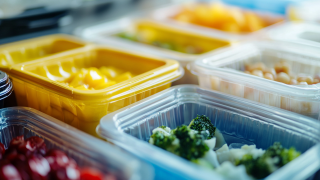
A disposable packaging box is one such type of container which is manufactured to keep a product safe and carry it from one point to another. Especially popular and utilized in the food industry, disposable packaging boxes include those made up of cardboard, plastic, or bio-composite materials. The main advantage provided here is that it packages the whole operation of the business without comprising the integrity of the product. The inevitable requirement for sustainable Food Packaging has opened up a whole different world of alternatives such as edible packaging and bioplastics. But unfortunately, while these bioplastics mercifully brand themselves green, they still do not solve the plastic pollution problem. The market for sustainable packaging is fast growing, and companies are aware that this will lead to economic gains. Benefits of improved customer loyalty, along with consumer preference towards greater choice in environmentally responsible activities, make a strong case for establishing this kind of shift from disposables to reusables.
The understanding of the benefits of disposable packaging depends on material selection. Among different materials used for disposable packaging, plastic, paper, aluminum, and biodegradable materials such as bagasse stand out. Each fulfills a specific function in different applications while allowing convenience for the consumer. This means that the demand for disposable food packaging worldwide, currently growing and expected to reach about USD 65.60 billion by 2024, is on the rise.
Shifting to packaging that uses more sustainable materials must be the environmental choice to further firm growth and add customer loyalty. An opportunity to access a significant market that cares for sustainability is thus opened for businesses adopting eco-friendly packaging. By the same token, consumer preference is evidently changing from molded pulp packaging options towards environmentally responsible alternatives, with the Asia Pacific molded pulp packaging market forecast to grow at 7.8% per annum from 2024 to 2030.
Disposable packaging has received mass as a concern because of its environmental hazards. Many industries, including food and automotive, now take a serious view of shifting from plastic to more sustainable solutions in the world of plastic waste pollution. For example, in the automotive industry, the use of environmentally-friendly materials has become gospel like cardboard in packaging, which had previously been relegated to waste in making containers, stressing less and less dependence on plastics.
More and more startups emerging around returnable food containers also indicate well-established consumer capture for greener consumption in the takeout business. This will substitute single-use containers with reusable ones and eliminate waste, espouses a circular economy. Yet up until now, the transition from single-use products to sustainable packaging is still meeting a lot of challenges. Therefore, building up efficient systems for reuse remains the way to go before the prospects of disposable packaging can be truly improved.
Plastic, paper, or biodegradable disposable packaging boxes have appeared as the most economic way of packaging products in various industries. While focusing on the cost aspect, these boxes make life easy for consumers with assured product safety and convenience. These single-use packaging products made of plastics, papers, or biodegradables save companies from investing in reusable systems otherwise needing excessive maintenance costs.
In an automotive example, cost savings and sustainable practices are intertwined. Green packaging innovations reduce wastes while providing relatively big savings in logistics and transportation. Incorporating such packaging will allow companies the possibility of weighing the economic benefits and larger sustainability agenda while enhancing customer satisfaction through timely delivery and integrity of the product.
From the point of view of convenience and easy availability, a disposable packaging box forms a necessary option one could imagine in today's hurried lifestyle. Such a box offers the best solution when people rush to buy takeouts and pre-packaged meals and need to consume food on the go. Lightweight in nature, they come with ready-to-use features that help to carry and store items as easy and stress-free, speaking highly of user experience.
Generally, for discussion purposes, many aspects of packaging keep revolving around use again and again in the consumable sense, and sometimes, it is forgotten that disposable options are equally effective. New innovative breakthroughs in environmental-safe materials, like bioproducts and recyclables, are quite redefining the convenience option for consumers when considering the green issues. Such convenience with an eye for nature will give disposable packaging boxes a significant platform in the global market to ride lifestyles while keeping ease of use at the best level possible.
It is very well-made, giving them a lot of versatility for meeting the different packaging requirements. As businesses adjust towards sustainable ideas, more products such as recyclable grass fiber molded pulp packaging are taking off. They create a better measure of service, beyond functionality in taking care of food because they add a voice to the consumer demand for eco-friendliness, paving the way to a greener option for takeaway services.
Moreover, companies are innovating to get away from single-use plastics into compostable and reusable packaging models. The rising concern over food delivery and awareness by consumers about the environmental effects are driving changes in packaging. Disposable products that ensure utility are the most practical solution for making businesses agile in cost and operation yet reducing their environmental impact.
Branding is becoming more critical now than ever in the outcome of disposable packaging boxes because those boxes are not only intended for that purpose but also have been a canvas for the brand identity where the business communicates its values and tactics around consumers; a good-looking package transforms an ordinary transaction into an experience memory, helping build customer loyalty for repeat purchases. Today, consumers want to be as sustainable as their brands, so they have been making moves toward sustainable and greener features.
For instance, from plastics that are conventionally used once to biodegradable materials that would actually include materials such as those made from grass fibers. This is how much a brand-its businesses would promise towards sustainability and still build its brand through that part of its image-from the packaging. Branding with sustainable practices in disposable packaging would now define a successful life in the evolving market.
Packaging boxes disposable comprise an enormous component of their use in meeting food safety standards which are now a matter of concern for a highly health-conscious market. These boxes, on account of their being disposable, ensure a risk-free atmosphere against any contamination by keeping the food condition sealed until it arrives at the final consumer. Most disposable packaging boxes are manufactured under sterile conditions thereby promising safety both for the producers and the consumers.
Strict compliance is expected from food market players as regulations become more rigorous with time. Being an option for temporary packaging, it allows simple additions of features for safety, such as tamper-evident seals that have been in vogue, and biodegradable materials. With a booming disposable food packaging market to tap into, companies have acknowledged that compliant packaging goes beyond fulfilling the legal framework; it encompasses consumers' demands for safety and sustainability.
The disposable packaging industry is filled with significant trends that connect with sustainability and consumer preferences. As businesses are moving towards eco-friendly options, innovations have emerged such as grass fibers that are being used as a 100% biodegradable alternative to plastics. This movement shows the growing awareness of the harms of the environment caused by single-use plastics. It has suddenly opened up avenues for companies to think about new materials which are being emphasized by the sustainability goals.
Increasingly, startups specializing in returnable food containers Illuminate the new services of food service packaging. These initiatives are feeding a growing consumer demand for sustainable takeout choices, which in turn opens up environmental and economic opportunities. This provides companies with an avenue to generate profit that may offset some advances made from changing from disposable plastic packaging to reusable systems. The packaging sector is well on its way to adapting, emphasizing the urgency to be adaptive in order to better serve today's consumer expectations.
Just about everything regarding the design of disposable packaging is on the fast track towards change. This movement is based on innovation and sustainability. While the industry expects a stronger demand for eco-friendly supplies, biodegradable materials like polylactic acid and non-toxic polymers are coming up the fast track. These new options aim not only at plastic waste reduction but they are also viable solutions for industries seeking sustainable packaging solutions.
Furthermore, the industry faces huge hurdles in the move from single-use to reusable packaging systems. Current literature states that reusable packaging might offer a longer-term gain; however, the complicated implementation and associated costs of such systems might hinder businesses. To capitalize on these benefits, sound processes and infrastructure must be in place. In the next years, the interaction between disposable single-use designs and innovative reusable alternatives will model the packaging sector as public authorities push hard for well-functioning reuse systems.
Disposable packaging boxes offer convenience and ease of use, making them ideal for quick, accessible food options. Their lightweight and ready-to-use design facilitates easy transport and storage.
The industry is evolving with advancements in eco-friendly materials, including biodegradable and recyclable options, which help reduce environmental impact while maintaining convenience.
Branding enhances the effectiveness of disposable packaging by communicating business values, creating memorable experiences, and fostering customer loyalty, which can encourage repeat purchases.
Many brands are shifting from single-use plastics to biodegradable materials, such as those made from grass fibers, to emphasize their commitment to eco-friendliness and strengthen their brand image.
Future innovations in disposable packaging are focusing on eco-friendly materials like polylactic acid and non-toxic polymers to reduce plastic waste and meet sustainability demands.
While reusable packaging can offer long-term benefits, the complexity and costs associated with implementing such systems pose challenges for businesses. Effective processes and infrastructure are required for a successful transition.
Disposable packaging is designed for quick accessibility, allowing consumers to enjoy takeout and pre-packaged meals without the need for cleaning or reusing containers, enhancing overall user experience.
Well-designed packaging can turn an ordinary transaction into a memorable experience, thus playing a vital role in marketing strategies and customer retention.
As consumers increasingly demand sustainable and eco-friendly options, businesses are adapting their packaging strategies to include biodegradable and recyclable materials to align with these preferences.
The future packaging landscape will involve a balance between the convenience of single-use disposable designs and the sustainable practices associated with reusable solutions, influenced by public policies advocating for robust reuse systems.