Leave Your Message
With an ever-increasing focus on food safety and food-to-go convenience, Disposable Boxes for Food have gained high demand recently. The disposable Food Packaging market globally was estimated at $400 billion in 2026, rising at a CAGR of 4.5% in the years from 2021. This scenario arises from consumers actively seeking conveniently hygienic options for their food, which is paving the way for a booming market where manufacturers can supply high-quality disposable packaging solutions.
NINGBO VALUPAPER CO., LIMITED., since its establishment in 2011, has made quite a niche for itself within the paper industry, having provided disposable paper products to fit many applications for customers' varying needs. With requirements for food safety being stricter than before and environmental questions being pressed, it becomes increasingly crucial for businesses to choose the right Disposable Boxes for Food. High-quality packaging that complies with food safety regulations protects food during transport and storage while simultaneously enhancing brand reputation and consumer trust.
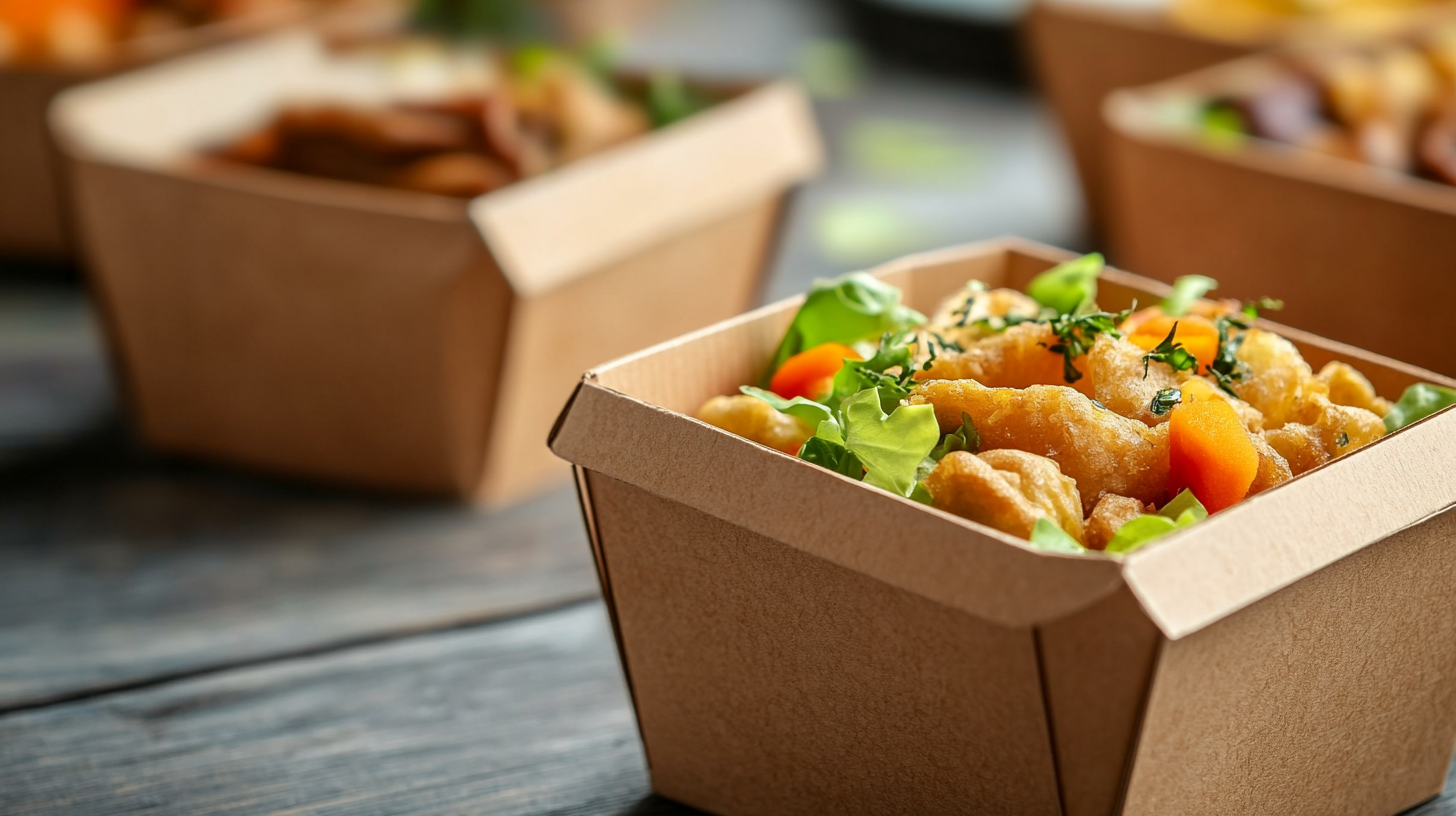
Food Packaging Safety has to be placed at the highest level on the priority list. Disposable boxes protect food from any contamination. An understanding of food safety in disposable packaging is important for consumers and food service providers. The packaging option directly affects the health and well-being of customers, especially in this day and age of takeout and delivery. Cross-contamination is one of the main concerns in food safety. Disposable food containers are made using materials that are clean, moisture-resistant, and grease-proof. This helps keep food items separated and maintains their freshness. The correct packaging can also minimize the transfer of unwanted bacteria from the outer surface of the container to the food. Convenience is another aspect that goes with food safety. Consumers are now looking for packaging that offers convenience during handling, transporting, and disposal. Biodegradable and eco-friendly packaging options are gaining popularity, assuring food safety and an additional benefit to environmental sustainability. By selecting suitable disposable boxes with these attributes, customers can consume their meals without the guilt of harming their health or that of the planet. In today's fast-paced world, the importance of food safety in disposable packaging is not just a matter of common knowledge; it is an absolute necessity.

Safety and convenience should be the most important factors when selecting disposable boxes for food. The next most important factor is the material of the boxes. Food-grade materials ensure that no harmful chemicals will leach into the food. Common materials range from plastic, paper to biodegradable types, each with its own advantages. For instance, the use of plastic containers offers durability and moisture resistance while more and more persons prefer biodegradable types because of the advantages they offer to the environment.
Another point would also be the design of the boxes. When looking for an example, you can find one that has secure lids that will not spill or contaminate the food while in transport. Some stackable containers can save space, some have compartments for organizing different foods. Also, consider the boxes' microwavability or freezer safety, so you would have many options for your food storage and reheating.
The last but not least is the size and portion control in selecting disposable boxes. Choose containers that should match the servings intended to be provided so that food is stored fresh and appetizing. Having the proper disposable boxes whether you hold an event or running a food business could help manage all these things successfully at the same time that makes the food experience better and safer.
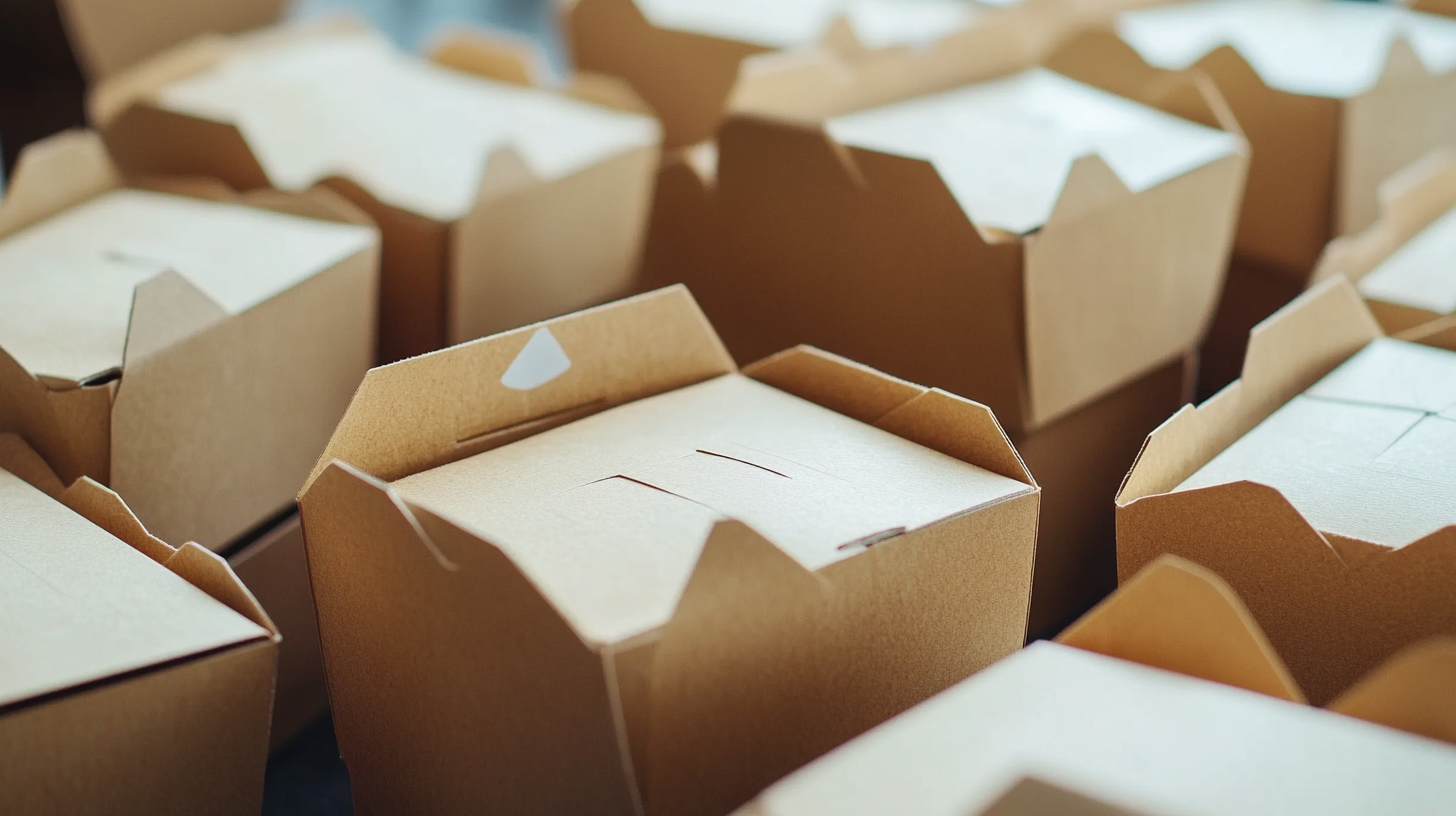
The choice of disposable food containers entirely depends on the selected material for the safety and convenience of its use. The specific advantages and disadvantages of any given material put an impact not only on preserving food but also on environmental sustainability.
The most popular choice in this category is plastics: it possesses excellent moisture barrier properties suitable for both wet and dry foods. However, any plastic being considered for food use must be BPA-free to ensure the consumer is not exposed to health risks related to chemicals. Microwave-safe containers must be used for food that requires heating, as convenience should never be prioritized over safety.
Biodegradable paper and compostable material are also great options. Containers made from these materials have less environmental impact, so these are becoming increasingly popular. They are often made from renewable sources which are safe for holding food items without harmful leaching of chemicals. Nevertheless, one must ensure that these materials are certified for food use, as some paper can absorb grease or moisture, thus affecting the quality of the food items.
Aluminum containers deserve special mention since they can withstand high temperatures, so they are ideal for hot food items. They are recyclable, retaining more appeal from an environmental angle. Still, bear in mind that aluminum may react with some acidic foods, so avoid using them for items such as tomatoes or citrus. In conclusion, with the selection of the right choice of material, food quality is safeguarded as well as considerations for its ease of use and environmental impact.
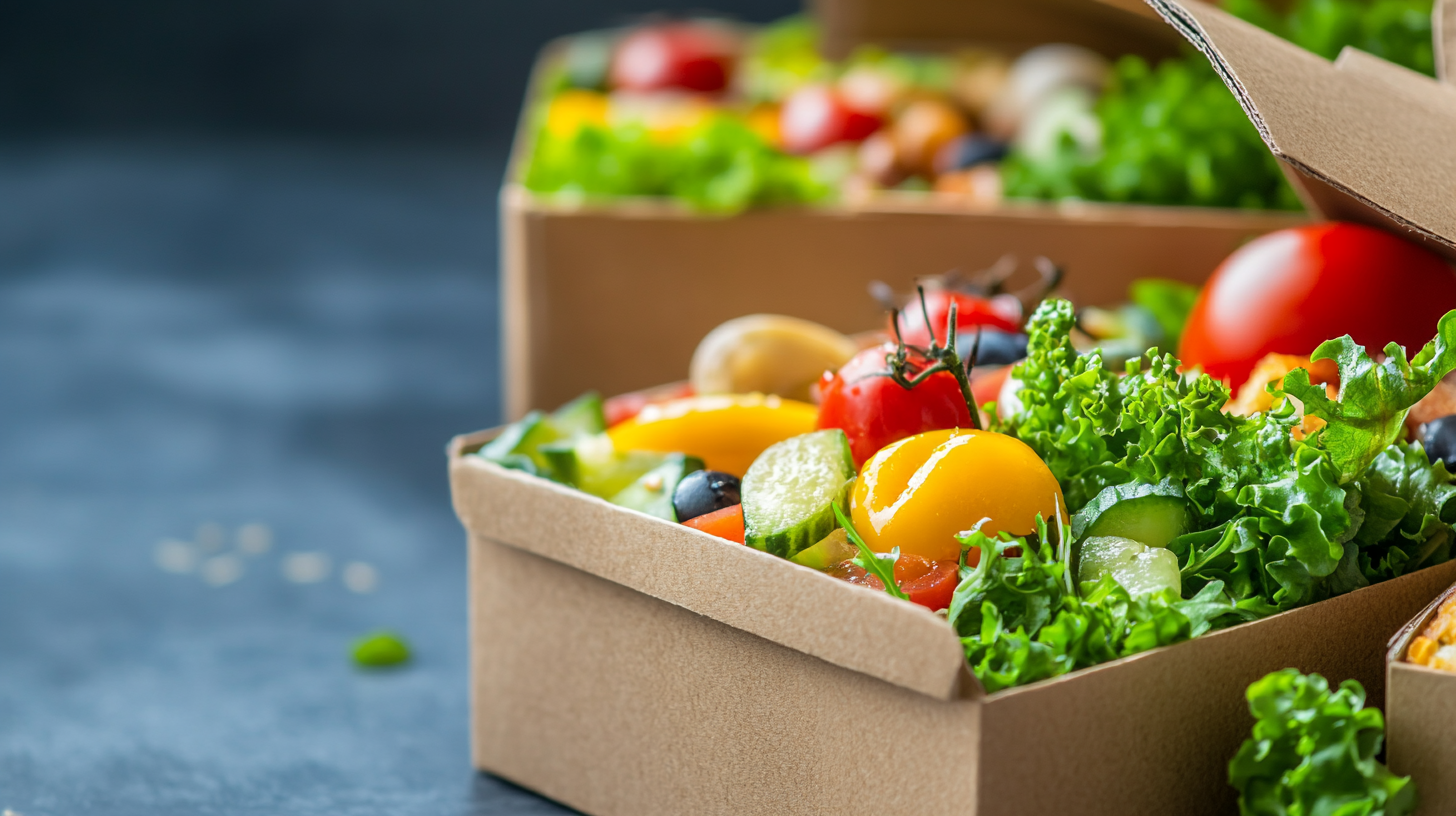
This dimension is quite critical when considering the disposable packaging for food. This quite relates to the right fit in terms of size and volume. When it comes to actual presentation, fit distinguished improves the element of safety and convenience as well. Analyzing the industry trend, consumers were demanding packaging that provided solutions to the different eating styles. It is a point where food portioning and meal prepping trends gain momentum. This year's statistics found that 73% of Americans intend to eat healthily. Therefore, the attachment to a plastic food container should be an important factor in their practice.
A good measure or understanding of food volume helps one to know about disposable boxes to your needs. Reports indicate that the larger capacity disposable options are more in demand, especially during this age of appliances such as air fryers, which are very versatile with regard to the types and sizes of meals they can handle. The shift clearly bears witness to the mounting requirements for packages that hold great volumes in food prepared at home for storage, serving, and transport.
Other considerations include those that will ensure the boxes maintain the integrity and safety of the food. With food literacy increasing-by particularly thick rates among young consumers-such awareness about the ways that proper packaging can affect everything from food safety to shelf life has increased. Investing in the right-sized disposable boxes applies not only to any cooking goals, but also to the whole notion of mindful eating and healthy living.
As the demand for accessibility in food packaging grows, the relevance of choosing an eco-friendly disposable box is becoming a critical factor on the way to sustainability. According to a report on the Market Research Future, the global market for disposable food packaging is set to hover around the $400 billion mark by 2025. This growth screams for such an option that can be made to lower environmental impacts but without the conquering consumer mind.
Using biodegradable and compostable products is one area where consumers may easily find balance between convenience and efficiency. According to a recent study published by the European Bioplastics Association, bioplastics may even reduce greenhouse gas emissions by up to 70% when compared with traditional plastics. Not only do these materials decompose much faster, but in the same way as conventional materials, they provide equal safety and convenience. Such companies would not just be serving the needs or demands of consumers but also optimizing their brand image on the very same values that they portend regarding being eco-friendly.
Appetite for sustainability in the consumer has fast-gone having been tagged an important factor pertaining to consumer choice now. Apparently, Nielsen research indicates that about 73 percent of millennials are probably going to shell out more for sustainable products. Thus, companies must focus on greener packaging alternatives for this emerging demographic. Using disposable boxes made from recyclable paper or plant-based materials, such companies are able to reduce their carbon footprint, while catering to an emerging market that embraces sustainable practices.
The choice of disposable box types for food is mainly related to how they would improve user experience in terms of their design and functionality. It is because even a beautiful box promotes the safety of the food; it also makes the enjoyment of consumption more. 85 percent of consumers are actually increasing their concern about food packaging in their recent incidental report from the Food Institute, which says that packaging would affect how safe and sustainable they see products to be. They put importance on the fact that manufacturers tend to design their packages more with both aesthetic and practical qualities.
Other functional features like leak-proof seals to stackable designs to those with portion control compartments can bring a lot of convenience when it comes to the process of serving and consuming food. The latest insights in the industry speak strongly about 30 percent of increased customer satisfaction due to functional innovation. Biodegradable options are ringing well among customers as around 70 percent of shoppers favor this type of packaging because it goes in line with what they stand for.
Apart from this, elements of smart design such as resealability, open-easy, and so forth would add a lot of convenience to everyday life. Research has proved that a user-friendly pack has a high repurchase rate as consumers tend to buy again what gives them less trouble. In efforts by food firms to win customers on board in the long term, design and functionality would be critical areas in addressing the changing preferences and needs from the consumers.
With cheap and price-efficient food packaging boxes, balanced choice is crucial for any business. Cheap options may appear attractive but that usually involves long-term losses. Badly made boxes may put safety of food in jeopardy while also disappointing customers, ultimately resulting in a tarnished brand image. A good image, along with good disposable boxes with safety standards, will maintain your brand credibility and safety in your customers' minds.
You must comprehend the costs involved with your choice of packaging. Quality disposable boxes sometimes, on the higher side with regard to cost, really outweigh these costs in many other aspects: insulation, durability, and moisture resistance that will help uphold food integrity and safety. In the markets that focus on eco-friendly products, this could also be an attraction to the environmentally conscious consumer.
When examining options for disposable boxes, scrutinise their material, design, and intended purpose. Biodegradable may come at an increased cost, tending to attract a certain customer segment. Boxes that can keep hot foods warm and cold foods chilled will really enhance the overall customer experience. Making decisions that favour quality-above-almost-all yet never neglect cost considerations ensures food packaging solutions that will keep the packaging safe and reliable for commercial purposes.
Regulatory compliance is one of the most critical school colleges when choosing disposable boxes for food packaging. Regulatory authorities, such as the FDA in the United States, and EFSA in Europe, develop stiff guidelines for the materials and manufacturing processes that shall be included in food packaging in order to avoid contamination and ensure safety for the consumer. And thus, complying with such standards shall not only ensure safety for consumers but also add to the reputation brand, as it shows brand commitment to health and safety.
The packaging market for recyclable materials is expected to grow to a size of USD 500 billion by 2025, according to a recent industry report that emphasizes an increased focus on eco-friendliness. This emphasizes the growing trend towards sustainable packaging solutions in response to consumer demand for better products and at the same time lowering incentives that come from regulation with the intention of reducing environmental impact. Thus, the time has come for organizations to think about safety-related, recyclable packaging that folds back into the circular economy.
Regulatory compliance about safety makes possible a competitive advantage for disposable box investments. More loyal customers will come from using sustainable options and brand perspectives, for the majority of people today want to use brands that are responsible towards the environment. It's always following these changing regulations and customer preferences, companies can smoothen the consequences of food packaging on food safety and convenience.
Plastic is a popular option due to its excellent moisture barrier properties, but it's important to choose BPA-free plastic and ensure containers are microwave-safe for heating food.
Yes, biodegradable paper or compostable options are safe for holding food as long as they are certified for food use. However, some may absorb grease or moisture, affecting food quality.
Aluminum containers can withstand high temperatures and are recyclable, making them a great choice for hot foods. However, they should not be used for acidic foods to avoid reactions.
Investing in quality disposable boxes is essential as low-quality options can compromise food safety, customer satisfaction, and brand reputation, leading to long-term losses.
While quality disposable boxes may have a higher upfront cost, they can provide benefits like better insulation, durability, and moisture resistance that enhance food safety and customer experience.
Eco-friendly disposable boxes can attract environmentally conscious customers, providing a competitive advantage in the market despite potentially higher costs.
Moisture resistance helps maintain food integrity and safety by preventing sogginess or contamination, which is crucial for preserving food quality.
Businesses should evaluate factors such as material, design, and intended use of the boxes to ensure they meet safety standards and enhance the customer experience.
Prioritizing quality helps ensure food safety, increases customer trust, and protects brand reputation, which can lead to greater long-term success compared to opting for the cheapest options.
Yes, using materials that are not food-safe or suitable for specific food types can lead to contamination, spoilage, and negative customer experiences, ultimately harming the brand.