Leave Your Message
In past years, more folks have picked up on green ways. This has changed how the food field looks, with a big shift in the pack wraps used. As buyers seek out eco-kind picks, the ones who give out packs face the need to change how they work. This post digs into the next wave of shifts in the pack chain, noting new steps, rules, & likes that shape what's next.
At NINGBO VALUPAPER CO., LIMITED, we took our first steps in 2011. We put our hearts on top-notch goods & making buyers happy. As big names in paper goods, we know we must keep up with shifts & what buyers want. We are looking into what changes may hit the wrap chain soon. We want to give our mates & those with a stake in this the stuff they need to face shifts right. With this talk, we aim to lay out a full view of how the folks who give out packs can not just meet needs now but also help make a green shift ahead.
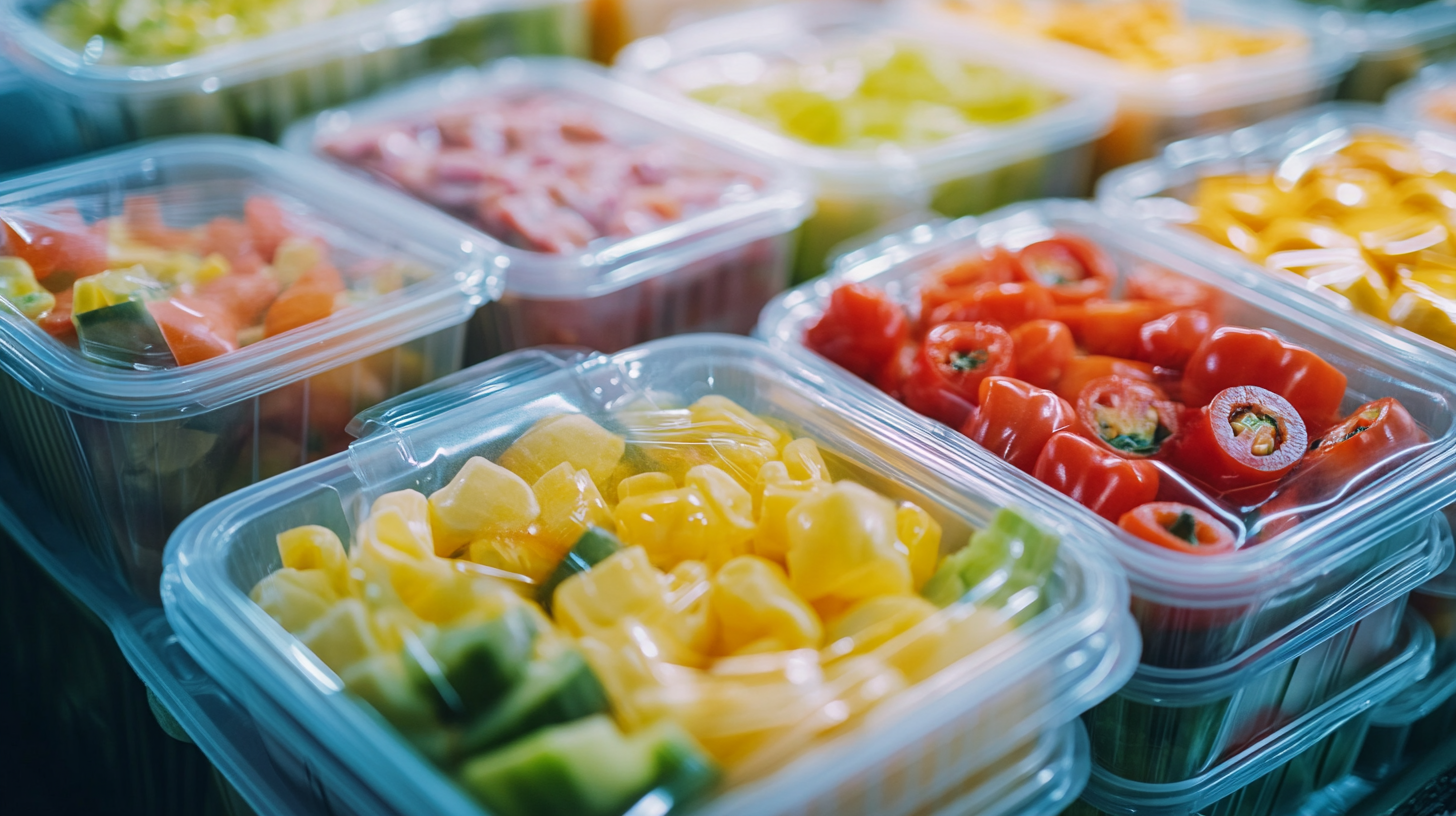
As more folks want green pack picks, we must look for new stuff for one-use food holders. Cool new picks are on the go. We now have plant stuff, tin, & rot-safe picks. For one, tin is seen more as it is easy to use again & hurts Earth less than old stuff. The jump from "cut down old stuff" to "use new stuff" tells us that a full plan is key in the food holder line. As shops change to meet the want for Earth-safe goods, they face the big job of juggling cost & being green. Even if some new stuff costs more to make, their use is going up. This shows a big wave in the shop. It makes these goods a big part of what we will use in the days to come.
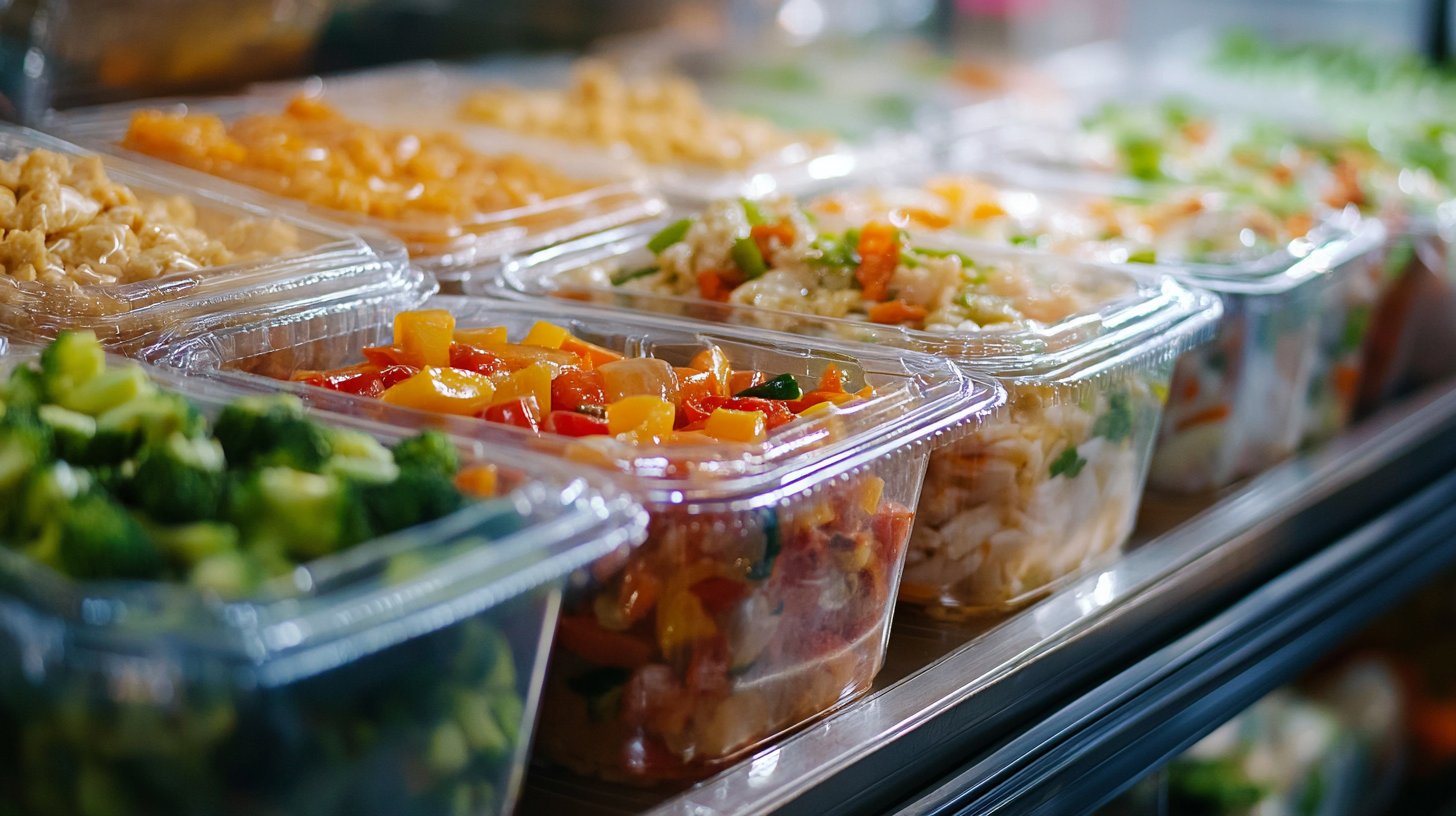
As the world's food box chain grows, green plans are now key. More folks want green, one-use food boxes. By 2023, the market for these boxes could make 59.64 billion yuan. Firms now focus on smart, green ways, led by new wants from users & rules.
Also, tech like digital cash bags is changing the chain. It lets folks buy things in a fast & green way. With no need for many apps or bank links, these plans not only help the Earth but also make buying better. As firms keep up with these shifts, adding green ways to the chain is key for long-term wins.

The rise of e-shops is changing the need for throw-away food boxes as more folks want quick food sent to them. This trend is big due to a global push to cut plastic use, driving firms to make new, green goods. A top paper firm said they now have all non-plastic, food-safe paper goods, such as straws & cups. This shows the key role of green swaps in the supply chain.
At the same time, the food pack market is changing, with earth-friendly picks on the rise. The move from old plastic boxes is pushed by new rules & by shoppers who pick low-carbon & eco-friendly items. As more firms change their goods to fit growing needs for green packs, the future of throw-away food boxes fits more with e-shop growth & care for the earth.

The throw-away food box line is now in big change due to new tech in make methods. New work shows that the world food pack market may hit a huge 812.08 billion yuan by 2024. This shows the rising need for pack fixes made to fit the needs of food spots & drop-off needs.
To meet green fears, makers are now looking at earth-kind swaps to old plastic boxes. New stuff like plant-stuff & low-carb make ways are now more liked. They meet both buyer tastes & rule push. As the move from plastic grows, the new use of tin cans shows a big chance for drink pack. It fights the old lean on plastic.
The still shift in make ways is not just to meet market needs. It is also to hold green care as a key rule. By using top tech, the trade can line up with world work to cut waste & push good use. This sets the path for a green next in food pack.
New rules on throw-away food boxes are now big, as gov'ts try to cut down on plastic trash. It's hard for firms to meet these rules, as they need to switch to safe box picks. They need to move from one-time use plastics to green picks like ones that break down. This needs a lot of cash & change in how things run.
More so, the push to make a loop-based trade model shows why green acts are key in the food box area. Firms are looking at boxes that can be used more than once, which bring their own tough rule needs. These picks not only cut down on harm to our world by less trash & water use but also call for new plans in both travel & how we reach out to buyers to get them on board. As the trade changes, folks in the mix must deal with these rule hard spots with care to stay in line with what is expected & boost green moves.
The food box chain is changing fast, led by new buyer trends. In past years, more people want green picks. They now opt for things that don't hurt the earth. Most think that things that rot away will soon lead the market. These match the big aim to cut down on plastic trash.
Also, the rise of low-air, plant-made wraps is changing the scene. Buyers want things that are light on the earth. Thus, there is more focus on other stuff, like tin. As drink firms try new paths, old plastic boxes face more checks due to their harm to the earth.
The move to green wraps brings chances for firms that make earth-safe goods. As buyers think more on their picks, firms that switch to meet these wants will do well in the fast-shift, throw-away food box chain.
In the world of throw-away food box supply, how we send & share them is key to work well. With the food wrap market set to hit 812.08 billion yuan by 2024, firms need new ways to move things. They must match the needs of the eat-out biz. New ways to store & move set meals & send-out foods will make things run smooth.
Also, green ways are key in how we share goods. As we move from one-use plastic to stuff that can rot or come from plants, we must change too. Firms that use low-burn & no-tag wraps not only help Earth but also meet what folks want. Mixing these rules in plan making will ace the fierce sale game.
As the need for green food wrap grows, the fix of waste gets key in the food box chain. The move to low-carb, plant-based picks shows a big trend. Firms want less plastic use & more green stuff. This trend fits what folks want & ties with rules to cut one-use plastics.
More lands set hard rules on plastic use, pushing firms to make new things. For one, tin bottles are now seen as swaps for plastic. This makes a path for a green way ahead in drink wrap. In this shift, the push on reuse & right waste fix is key to make sure the new stuff works well & green, leading to a cleaner Earth.
The world's supply chain woes have hit the throw-away food box market hard. This comes as eco rules grow tight. As lands push to axe one-use plastic, makers face two big tests: keep up with high need & fit new green rules. Some plastic goods now cost more. It shows that, even with a move to earth-kind picks, plastic boxes are still in big want in the scene.
As eat spots & take-out grow, they need pack solutions made just for them. Studies say that the world food service pack trade will hit big sums. This shows both grit & new ideas in the supply chain. New picks like tin cans & plant stuff are on the rise. They hint at a shift in what buyers want: more green ways to pack goods. This quick change shows firms must mix good work flow with a focus on green care.
The world food pack market will hit 812.08 billion yuan by 2024. The need for throw-away food bins is on a big rise. This change gives big chances for groups that make new moves in their supply links. Firms are more & more keen on custom fixes made just right for quick meals & drop-off jobs. They stress easy use & fast work in their goods.
One more key trend in the throw-away food bin chain is the move to go green. With a change from one-time use them-then-toss them stuff to plant stuff & tin, groups are not just meeting the call for green picks but also are fit with tough rules on toy use. This change gives a neat chance for makers & providers to shift how they stand & meet a market where green means & works well count a lot.
Technological innovations in manufacturing processes are driving the transformation in the disposable food container supply chain.
The global food service packaging market is projected to reach 812.08 billion yuan by 2024.
Manufacturers are exploring eco-friendly alternatives, such as plant-based materials and low-carbon production methods, to address environmental concerns.
The emerging use of aluminum bottles presents a potential breakthrough for beverage packaging, challenging the conventional reliance on plastic.
Sustainability is important in manufacturing processes as it helps align the industry with global efforts to reduce waste and promote responsible consumption.
Tailoring storage and transportation methods to accommodate pre-packaged meals and delivery services can significantly improve operational efficiencies.
Companies are innovating their logistics practices to incorporate biodegradable and plant-based materials, responding to consumer preferences for eco-friendly products.
Embracing low-carbon and label-free packaging solutions not only contributes to environmental goals but also positions companies favorably in the competitive market.
Advanced technologies are leveraged to align manufacturing processes with market demands and sustainability principles for a more sustainable future.
The need for efficient transportation and storage methods for pre-packaged meals and timely delivery services creates unique logistical requirements for the restaurant service industry.