Leave Your Message
Today, rapid acceleration demand has taken by storm the most lucrative areas of the product development-from speedy and online lifestyles-to the need for convenient and sustainable Food Packaging. With different people trying to find the environmental sustainability in their packaging solutions, finding the right disposable food containers suppliers is a key concern in the development of successful global sourcing. With many suppliers in different kinds, it's great created by understanding their products in terms of quality, sustainability practices, and overall reliability. This blog is intended to guide you through the major suppliers of disposable food containers to decide accordingly for your restaurants, catering services, and food delivery operations.
At NINGBO VALUPAPER CO., LIMITED. we understand top-notch packaging needs by the food industry. Since its inception in Ningbo Sure Paper as early as 2011, we have evolved up to what we are today in recognizing and meeting our unique customer needs. Our experience has made us understand the market of paper products way beyond our original business of serving printing companies. As we shift our attention-there is a commitment to building exceptional disposable food containers-in line with our mission to help companies realize their sustainability goals-most delightedly supported by the best product satisfaction.
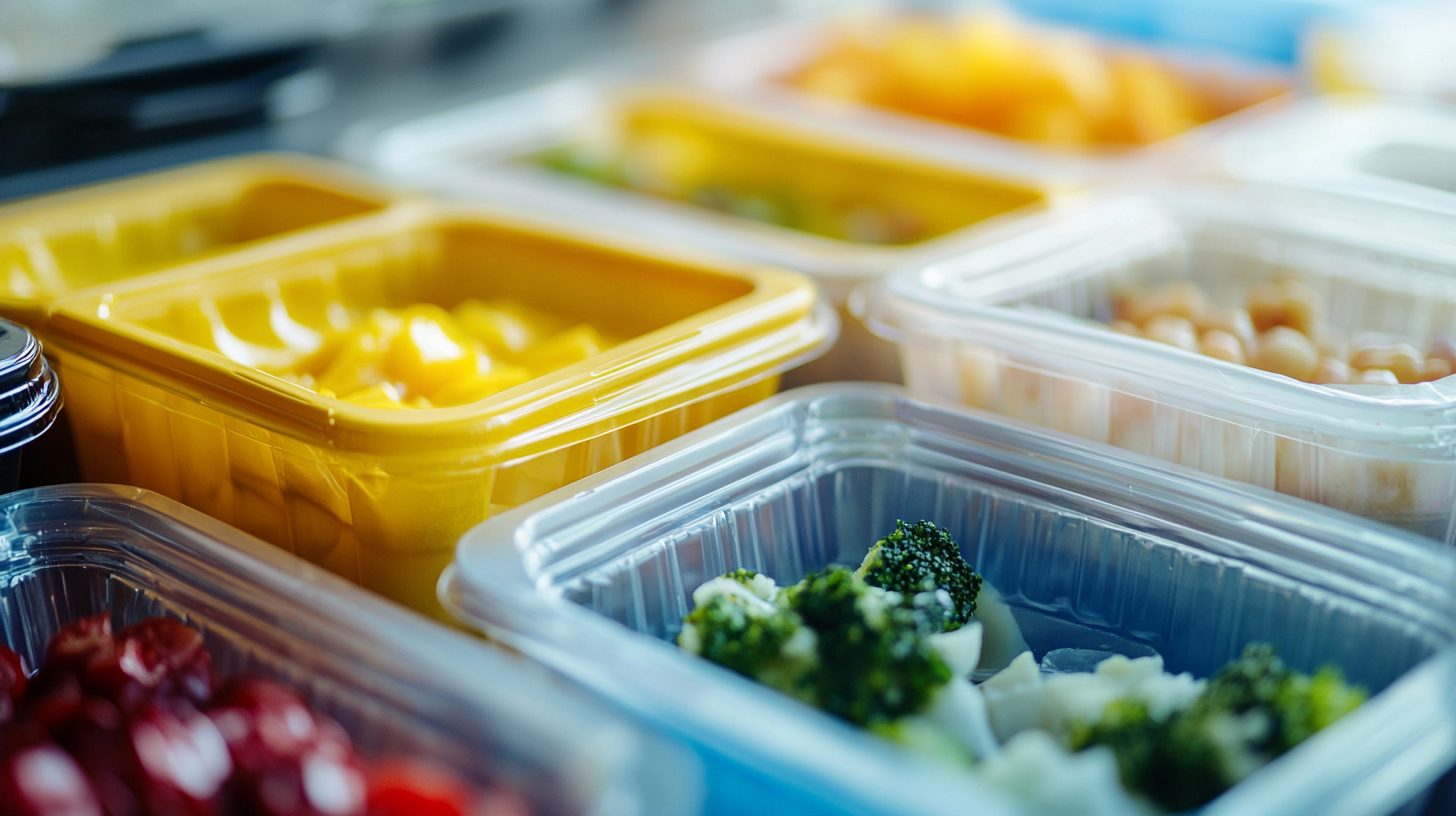
On the other hand, almost all businesses have already emphasized the use of good disposable food containers that became significant as they moved to greener processes. These containers satisfy consumers' requirements and adhere to the environmental regulations and sustainability goals as global sourcing increases. Recent reports stipulate that the global disposable food container market will reach about $70 billion by 2025, with more priorities on eco-friendly materials like biodegradable plastics and sustainable fiber. Further pursuance of the goal of net-zero emissions by 2050 in the petrochemical industry would also call for the supplier of disposable food containers to be innovative and to adopt greener practices. Many current products are carbon-emissive, so obtaining products from such suppliers is very important. Studies show that with the incorporation of green procurement strategies, companies can reduce their environmental impacts quite significantly while delivering quality in the products. More so, there have been recent changes in regulations concerning food safety standards. High quality needs to be used for materials that comply with health regulations; hence, other countries have become stricter in implementing their guidelines concerning food additives and packaging. Thus, disposable food container suppliers must develop products that meet safety requirements and higher quality standards to increase consumer confidence. Therefore, quality disposable food containers prove to be one of the most important areas of consideration for businesses that want to enhance their sustainability credentials in compliance with regulatory demands.
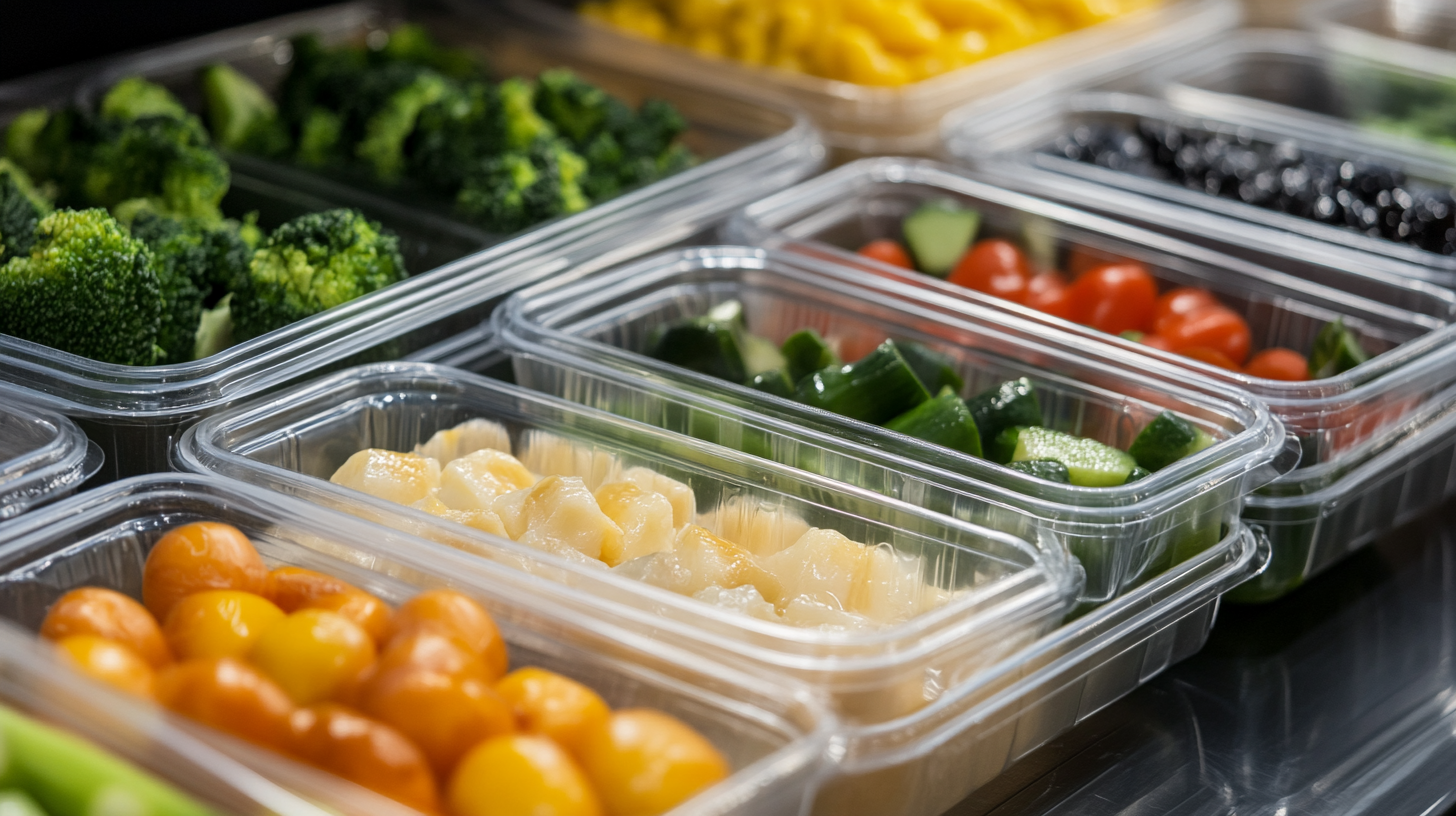
There are several key parameters that come into play in sourcing of disposable food containers, which can have a very direct impact on your business operations. Most importantly, material selection forms the primary consideration. Per a recent report from Grand View Research, the global market for disposable food containers was valued at around $53 billion in the year 2022, with a projected CAGR of around 5.5% till 2030. This growth is partly due to the demand for food packaging alternatives that are more environmentally friendly. Among consumers, biodegradable materials such as PLA and recycled paper are fast gaining traction, indicating a shift towards sustainable alternatives in food packaging.
Supplier reliability is another key consideration. Your selected supplier should comply with regulation and at the same time show an ability to provide them with good quality and timely delivery. According to a survey conducted by Packaging Strategies, 76% of organizations value reliability over price when it comes to supplier selection. This strengthens the need to partner with established companies that have a proven track record in the disposable food container market, thus ensuring consistent quality.
Pricing and lead times must also be weighed carefully. Research and Markets state that custom-made products can often come with a cost beyond what you would pay for an off-the-shelf product; thus, it is important to look for a supplier that gives you a good compromise between quality and cost. Beyond cost, businesses should consider logistics; thus working with suppliers who have a worldwide reach will ensure quicker access into different markets while cutting down on shipping times. With focus upon these indicators, organizations will ensure streamlined sourcing with better operational needs alignment.
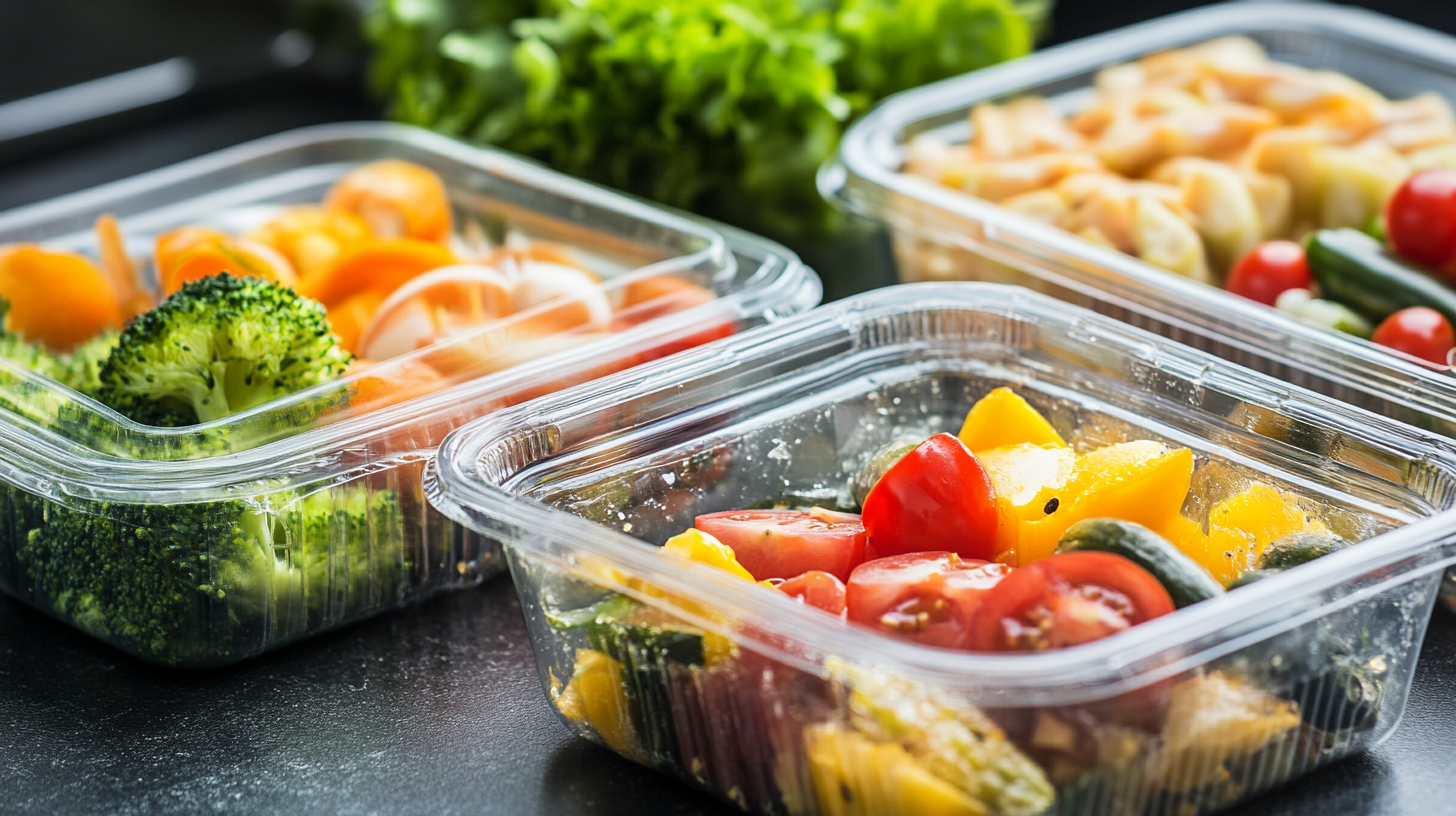
The global disposable food container market has witnessed a steady growth that valued at an estimated USD 45.2 Billion by 2022. It, however, is projected to increase significantly as consumer demand for food packaging that is convenient and has hygienic properties becomes intensified. This growth is further fueled by the expansion of the food service industry, with increasing trends toward takeout and delivery services, thereby forcing suppliers to innovate and diversify their product offerings.
By 2023, leading suppliers of disposable food containers focus on sustainability since consumers are becoming more and more eco-conscious. Reports state that about 60 percent of consumers prefer to buy from brands that favor eco-friendly packaging solutions. Industries such as Dart Container Corporation and Novolex are leading the way, promoting biodegradable and compostable products, which have increasingly become a necessity in this competitive market. To help assert their leadership, these suppliers have not only increased their product offerings but have also invested in production methods that minimize their carbon footprint in line with global sustainability objectives.
Another trend that can be observed is a shift caused by improved technology in the manufacture of disposable food containers. With the incorporation of smart manufacturing processes, suppliers can guarantee better quality control and shorter production lead times. An influx of new players in the field can be noted, particularly in the Asia-Pacific region, where newly emerging economies rapidly adopted disposable food containers in response to the growth of the food delivery industry. Understanding the capabilities and the product ranges of these top suppliers globally is critical for businesses in their efforts to source for success.
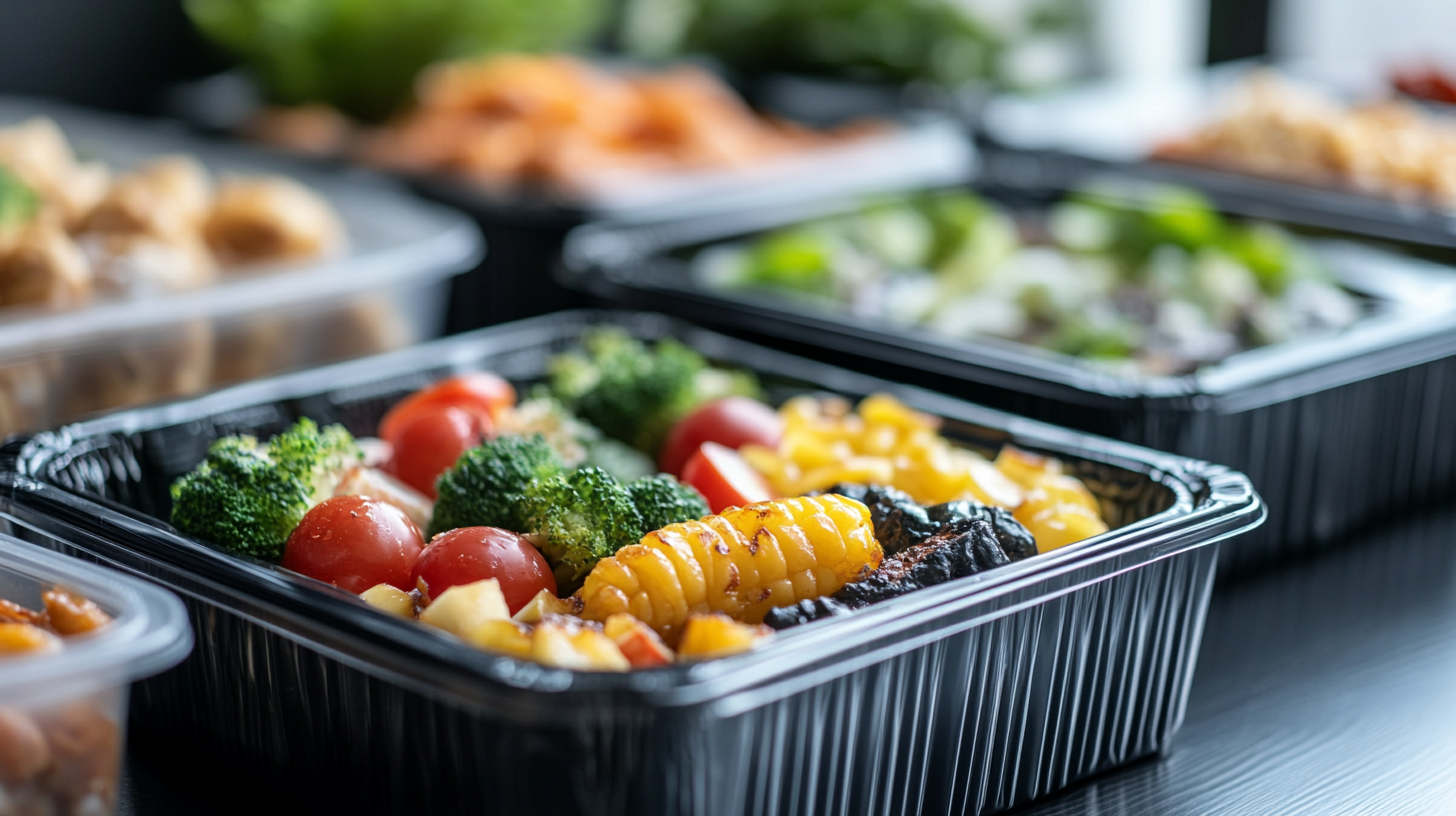
In recent years, there has been a rising focus on sustainable, innovative designs for disposable food container solutions. The projected growth of the global plastic processing machinery market, from $23.57 billion in 2025 to $34.62 billion by 2032, reflects a burgeoning demand for efficient and eco-friendly solutions for food packaging. Thus, an annual growth rate of 5.6 percent speaks well for the industry.
Prominent among regulatory changes would be the New York State legislation banning polystyrene foam containers beginning January 1, thereby establishing New York as the fourth state in the U.S. to enforce such a ban. It further demonstrates this move of eliminating harmful materials from food service in general. As suppliers navigate through these emerging regulations, they are consistently exploring newer alternatives that meet the criteria of functionality and sustainability, including biodegradable and compostable materials.
As businesses are searching for reliable suppliers for every need regarding disposable food container requirements, the need for innovation in design cannot be stressed enough. Currently, manufacturers create products not simply ready for health and safety standards, but also suitable for changing consumer preferences focused on green options for packaging. The evolution that has taken place in this regard now provides a great chance for the stakeholders willing to upgrade their global sourcing strategies while pledging to environmental stewardship.
The past couple of years in revolutionized goods and services have witnessed a surge in demand for options that are sustainable in disposable food packaging, as much as possible from consumers and businesses with regard to environmental impact. According to Grand View Research, it reported that the value of the biodegradable packaging market throughout the world was around $4.9 billion in 2020 and is anticipated to grow at a compound annual growth rate (CAGR) of 14.8% from 2021 to 2028. The adoption increase has been very dramatic, all being attributed to increased awareness about plastic pollution and the call for environmentally friendly alternatives.
For instance, some leading players in disposable food containers have been running after the goal of commercially providing solutions for sustainability. Most of the companies that would be investing in plant-based plastics, compostable and recycled content are for the purpose of consumers. The Flexible Packaging Association survey reported that 63 percent of respondents said they would be willing to pay more for sustainable options, echoing a major change in consumer purchasing behavior. In addition to making landfill reductions, these solutions would also strike a chord with those consumers who consider the important factor of a lower carbon footprint.
Regulatory pressure has also been putting pressure on food companies to turn greener. For instance, the European Union has come up with stringent rules that will cut plastic waste, resulting in rapid shifts in the direction of biodegradable packaging. Suppliers that could anticipate such regulations and demand will not only be compliant but also stand out in a competitive marketplace. It is no wonder that the future of disposable food packaging is seeing a growing shape due to many environmentally friendly selections.
The costs of disposable food containers, in general, tendain to have a strong say in the profitability, whereas their functions- convenience, hygienic design, and all-purpose costing-goes hand in hand with the suppliers' pricing methods. Below these prices lie a plethora of choices such as local suppliers or Indonesia-based manufacturers or other products from somewhere else. Distinct pricing patterns have developed based on the mode of operation and capabilities of the suppliers.
The next initial step in price comparison requiring evaluation amongst the major suppliers lies for assessing not just the unit price of the goods being compared but also that value in the broadest terms. The broader parameters would encompass minimum order quantities, freight charges, and hidden fees that appear in fine print when signed. Some suppliers will offer low prices but make up for it with higher freight costs or require orders that devastate your budget; therefore, a detailed breakdown of costs is essential to identify those who may offer the best value for any of your sourcing requirements.
Additionally, the types of materials used in these containers must also be kept in mind. The cheapest option may not always be the best one to choose, especially with potential product failure and negative customer feedback. A supplier that follows manufacturing excellence ensures that your brand is thereby protected from such adverse effects. Hence, quality balanced with cost will enable businesses to save money and keep customers happy.
The quality standards and regulations governing food packaging are particularly important, as most world cosmetics are in the force of global sourcing. The climate of sustainability is picking up speed in awakening its importance, with manufacturers increasingly seeking disposable food packaging suppliers who follow sound environmental practices. As per the latest news through the Food Packaging Forum, around 70% of consumers prefer brands that use eco-friendly materials. This trend sends signals to suppliers that they have a double imperative: one to meet quality criteria and align meanwhile with sustainability.
The circular cup system in place at more than 400 convenience store outlets in Taiwan provides a different way of looking at an important advancement in reducing plastic waste. It shows how sustainable packaging alternatives are starting to matter that not only meet safety regulations but support other environmental goals. As from February, new regulations regarding various consumer products have been handed down, advocating for a stricter lens to look through for the industry regarding harmful food additives, thereby reinforcing the essentiality of regulatory compliance in food packaging.
On the other hand, with prospects of net-zero emissions by 2050 still on the table, the challenge of finding suppliers from the petrochemical industry has started to gain enormous traction. Many reports show that reaching sustainability not only favors the environment but also offer competitive markets. Where standards for goods and services coincide with sustainability stands a very critical pivot for businesses engaged in offering global food packaging in a very conservation-minded way.
Long-term relationships with suppliers are critical for the development of a successful global sourcing strategy, especially with respect to the disposable food container industry. Communication is one of the most important tools to encourage the establishment of partnerships. Keeping your suppliers updated with regular news on your business requirements and requests for feedback on products enables them to understand your expectations. Such dialogue ensures the building of trust while granting suppliers the flexibility to respond to your needs in a timely manner.
Beneficial relationships should be fostered with an eye toward mutual benefits. Suppliers who have made it thus far will get recognition for their achievements and contributions toward joint growth. This creates a fertile ground for loyalty. You may extend to offer your opinion on a market trend or provide testimonials, which are ways to further strengthen the relationship by demonstrating your commitment to a partnership that bases its success on collective benefits.
You may also want to look into joint ventures or projects with suppliers. This joint effort can yield innovative solutions beneficial to both parties, such as new packaging solutions or improved logistical efficiencies. Contributing to these offers would not only cement your relationship but would also enhance the sustainment and development of your supply chain in such a way that your business and its suppliers move forward together.
Quality standards and regulations are crucial in food packaging because they ensure safety, enhance consumer trust, and help businesses meet industry requirements, especially as global sourcing practices evolve.
A significant trend influencing the choice of food packaging suppliers is the shift towards sustainability, with many companies seeking suppliers that adhere to eco-friendly practices.
According to a recent report, about 70% of consumers prefer brands that prioritize eco-friendly materials, indicating a strong demand for sustainable packaging options.
Taiwan has introduced a circular cup system in over 400 convenience stores, showcasing a commitment to sustainable packaging alternatives that comply with safety regulations.
New regulations have been enforced that increase oversight of harmful food additives and stress the importance of regulatory compliance within food packaging practices.
Transitioning to sustainable practices not only helps the environment but can also provide suppliers with a competitive edge in the market.
Effective communication, including regular updates and feedback, is key to building long-term relationships with suppliers in the disposable food container industry.
Recognizing suppliers' achievements, supporting their growth, and sharing insights on market trends can foster a collaborative environment that encourages loyalty.
Engaging in joint ventures or projects can lead to innovative solutions, strengthen partnerships, and contribute to the sustainability and growth of both businesses in the supply chain.
Maintaining a two-way dialogue with suppliers allows businesses to adapt to changing requirements effectively while also building trust and understanding.