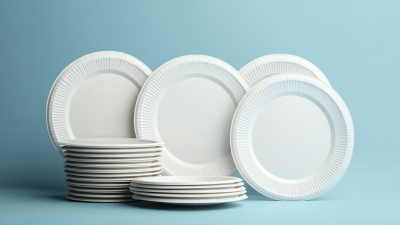
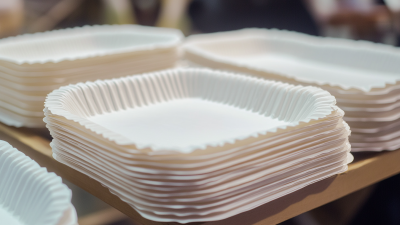
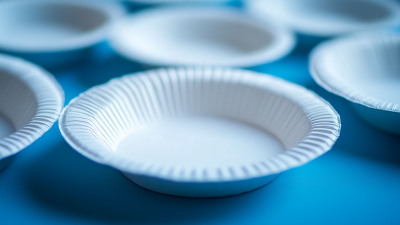
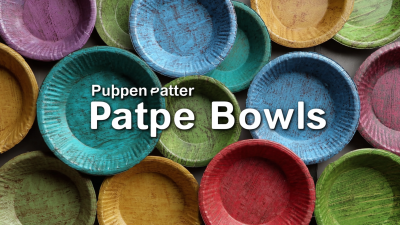
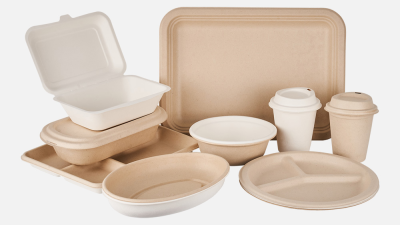
As environmental concerns keep mounting, finding eco-friendly alternatives for everyday products has become more and more important—kind of a no-brainer these days. One option that's really gaining traction is compostable Paper Plates. They're a great way to enjoy your meals or host events without adding to the plastic waste problem. Here at NINGBO VALUPAPER CO., LIMITED., we truly get how essential it is to make sustainable choices when it comes to paper products. We've been around since 2011, and since then, we've dedicated ourselves to providing a broad selection of high-quality paper items that not only cater to different needs but also help protect our planet. In this guide, I want to dive into what makes the best compostable paper plates a smart, eco-friendly pick—covering their benefits, what they're made of, and how they’re helping us move toward a greener future. So, let’s explore the world of compostable paper plates together and see why they’re such an important part of creating a more sustainable tomorrow.
What is Compostable Paper and How Does It Differ from Traditional Paper Products?
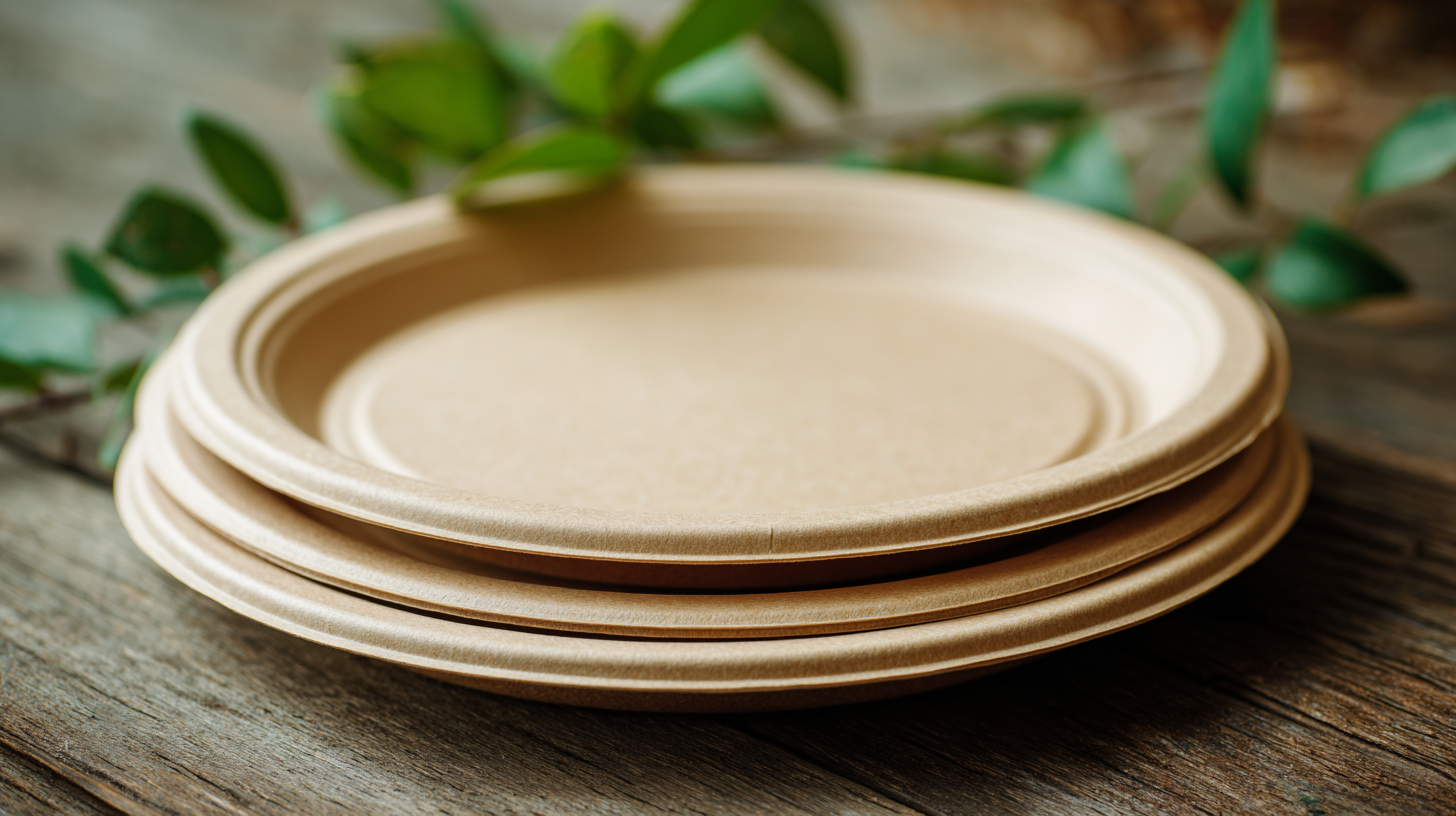
Compostable paper is pretty much an innovative alternative to the regular paper products we're used to. Instead of just piling up in landfills, it naturally breaks down in composting environments—pretty neat, right? According to a USDA report I read, using compostable materials can cut down greenhouse gas emissions by about 30 to 50% compared to regular waste. That's a pretty big deal. Unlike typical paper, which is often treated with chemicals that slow down biodegradation, compostable paper is made from natural fibers and processed without any harmful additives. So, things like compostable paper plates aren’t just practical—they're also actually helping the environment by enriching the soil with nutrients when they break down.
If you're thinking about switching to compostable paper products, it’s really important to look for certified options. Certifications like ASTM D6400 or EN 13432 are a good sign—they mean the product can break down properly in industrial composting facilities. And, honestly, spreading the word about proper disposal makes a big difference. People should know to toss these plates in designated compost bins; otherwise, they might not do much good.
Oh, and don’t forget to pay attention to where the paper's coming from. When possible, go for products made from recycled materials. That way, you’re helping reduce the demand for virgin fibers and saving resources. For example, the EPA says recycling just one ton of paper can save over 17 trees, 7,000 gallons of water, and around 4,100 kilowatt-hours of electricity. So, by choosing compostable paper options, you’re actually making a pretty proactive move to live more sustainably—and honestly, it feels good to do your part, right?
The Environmental Impact of Disposable Products: Statistics You Should Know
You know, disposable stuff like paper plates might seem convenient, but they actually cause quite a bit of environmental trouble. I read somewhere that the U.S. produces over 292 million tons of waste every year — and a lot of that is single-use items like these plates. Most of them just end up in landfills, where they release greenhouse gases and make the problem worse. That’s why it’s pretty important to think about greener options, like compostable paper plates.
When you’re choosing these eco-friendly plates, it’s a good idea to look for certifications like ASTM D6400 or ASTM D6868—those stamps mean the plates meet strict standards for biodegradability and compostability. Also, try to pick plates made from renewable materials—things like bamboo or sugarcane pulp are great because they break down faster than regular paper. Not only do they help cut down on landfill waste, but they also lower the carbon footprint linked to waste disposal.
And if you really want to take it a step further, why not set up a composting system at home for your food scraps and used plates? It’s a win-win — you keep waste out of landfills and end up with nutrient-rich compost for your garden. Plus, it’s pretty cool to encourage local businesses to use compostable options too. Small steps like that can really add up and make a big difference in building a more sustainable community.
Key Features of High-Quality Compostable Paper Plates
Let’s talk about compostable paper plates—more folks are realizing how eco-friendly they are, but not all are created equal. A big thing to look out for is the materials they’re made from. According to a report from the Sustainable Packaging Coalition, plates made from stuff like sugarcane bagasse and bamboo don’t just break down faster—they also help keep our planet healthier by making good use of agricultural waste. Usually, these plates can decompose into organic matter within roughly 3 to 6 months if you’re composting properly, which lines up with standards set by groups like the Biodegradable Products Institute.
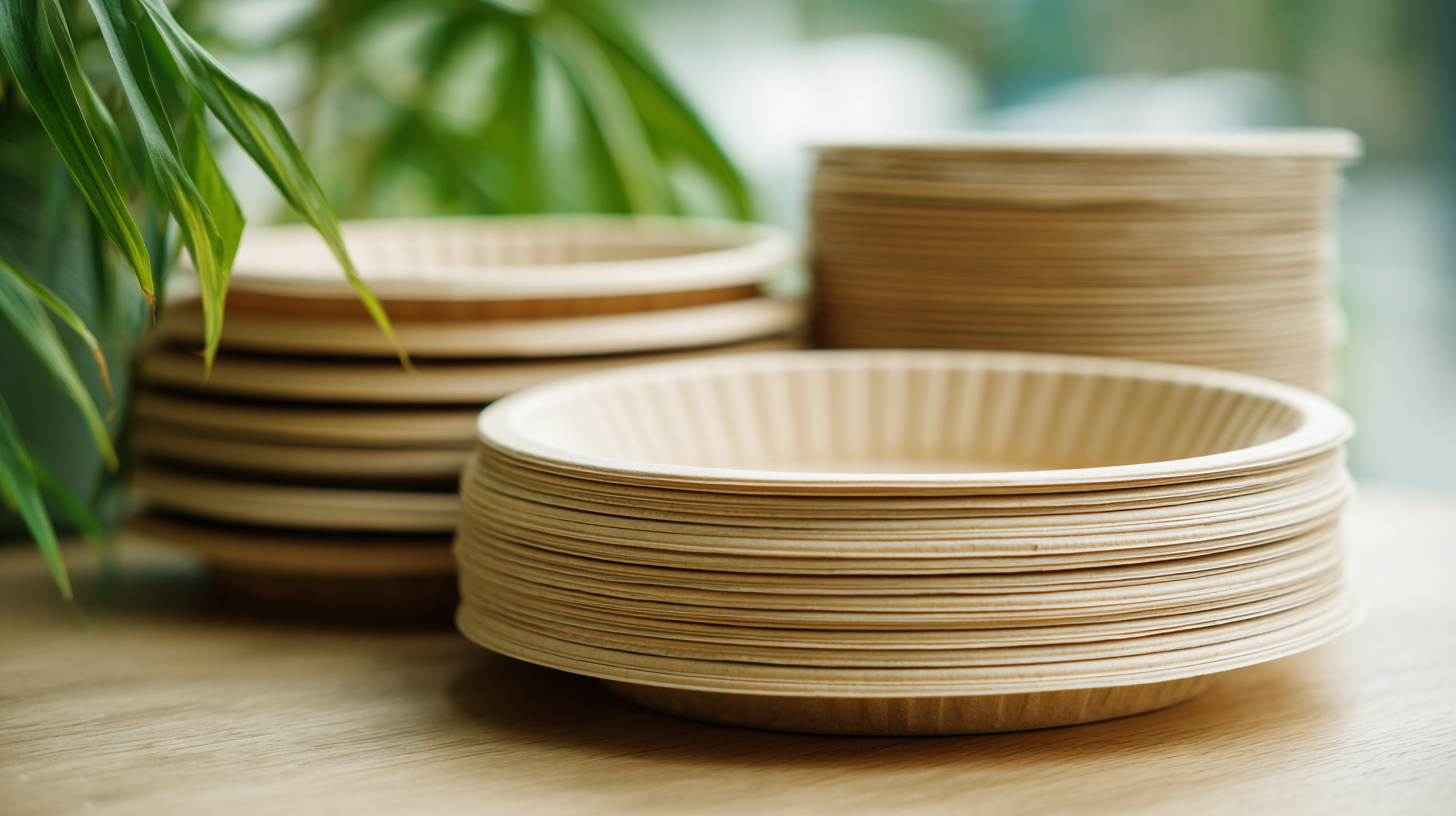
Another important point is the certification. If a plate has a trusted seal like BPI or ASTM D6400, it’s a good sign that it actually meets strict environmental standards. And from what the Specialty Food Association points out, using compostable stuff can cut down about 20%of organic waste ending up in landfills, which means less methane—a major greenhouse gas—gets released. Plus, the best Compostable Plates don’t just break down; they also do a solid job of resisting leaks and grease thanks to coatings made fromplants, rather than plastics that could harm our environment. All in all, it’s about finding that balance between being useful and being kind to the planet.
The Lifecycle of Compostable Paper Plates: From Production to Disposal
So, the life of compostable paper plates actually starts with doing things the eco-friendly way from the get-go. Most of these plates are made from renewable resources like wood pulp or sugarcane, which means they're kind of like the green choice in dinnerware. And during the manufacturing process, producers usually use environmentally friendly methods and chemicals, so they aren’t adding to pollution or ruining the planet just to make your plate. If you really want to get the most eco goodness, go for brands that are certified compostable or made from recycled materials — that way, you’re stacking the deck in favor of sustainability.
Now, after you’ve enjoyed your meal, what you do with those plates matters big time. Instead of tossing them in the trash, it’s best to compost them. These plates will break down into nutrient-rich compost that’s great for your garden or soil. A little tip – shredding them before composting helps them break down faster. Also, make sure they aren’t mixed up with non-compostable waste, which can mess up the whole process. Don’t forget to check your local composting rules — practices can be different depending on where you live.
Using compostable paper plates isn’t just about convenience; it’s a way to support a circular economy. When you choose these products, you’re helping cut down on landfill waste and encouraging greener practices, especially in the food service industry. Keep an eye out for brands that truly care about the environment, and think about the entire lifecycle of what you’re using — from production to composting. Small choices can make a big difference, you know?
Lifecycle Analysis of Compostable Paper Plates
This chart illustrates the CO2 emissions during various stages of the lifecycle of compostable paper plates. The data shows that the production phase has the highest emissions, while disposal and composting contribute minimal CO2, highlighting the sustainability of compostable paper plates.
How to Properly Compost Your Paper Plates for Maximum Sustainability
Putting paper plates in the compost is actually a pretty great way to cut down on waste and do your part for the environment. But, to get the most out of it, you really should know what kind of paper plates you're tossing in. Look for ones that are labeled as compostable — these are made from renewable resources and tend to break down much faster than regular paper plates. Steer clear of plates with plastic coatings or added chemicals, though, because they can mess with the composting process and even contaminate your compost pile.
Once you've got the right compostable paper plates, the next thing is to prep them for composting. A handy tip is to tear or cut them into smaller pieces—that helps them decompose faster. When you’re ready, toss them into your compost bin along with a good mix of green materials like fruit scraps and grass clippings, plus some brown stuff like dry leaves and cardboard. Giving the pile a good turn here and there helps it breathe better, which speeds things up. With a little patience and care, those paper plates will turn into rich, healthy compost that’s great for your garden — all while keeping waste out of the landfill. Pretty satisfying, right?

Comparative Analysis: Compostable Paper Plates vs. Plastic and Styrofoam Alternatives
When you're choosing disposable dinnerware, it really matters whether you go with compostable paper plates or sticking to the usual plastic or Styrofoam stuff. Honestly, compostable paper plates are made from renewable resources, and they’re designed to break down naturally when tossed in a compost bin. Unlike plastic and Styrofoam, which can sit in landfills or break down in oceans for hundreds of years—sometimes forever—these eco-friendly plates actually give back to the environment by returning nutrients to the soil. It’s a neat way to keep the cycle going. Plus, they’re much better for the planet, which makes them a no-brainer if you’re trying to be more eco-conscious.
On top of that, making compostable plates usually involves less energy and uses fewer nasty chemicals compared to plastic options. Plastic, after all, comes from fossil fuels—those non-renewable resources—and it’s a big contributor to greenhouse gases during production and disposal. Compostable plates, on the other hand, are often made from recycled or sustainably sourced materials, so they’ve got a lower carbon footprint. Not to mention, they help ease the burden on landfills, which is pretty awesome. Overall, if you’re after a more responsible and earth-friendly choice for parties, picnics, or just everyday use, compostable paper plates are definitely the way to go.
Enhancing Sustainability: The Benefits of Using Compostable Bagasse Food Bowls in Your Catering Business
In recent years, the catering industry has been continuously exploring ways to enhance sustainability, and one effective solution lies in the adoption of compostable bagasse food bowls. Made from pure natural sugarcane bagasse—a by-product of the sugar industry—these bowls provide an eco-friendly alternative to traditional disposable tableware. By utilizing pollution-free water in their production, they significantly reduce environmental impact while offering a practical solution for catering needs.
What sets biodegradable Bagasse Bowls apart is their impressive array of functional properties. They are not only non-toxic and tasteless but also waterproof, oil-proof, and heat-resistant. This makes them ideal for serving a wide variety of foods without sacrificing quality or safety. Additionally, their attractive appearance adds a touch of elegance to any dining occasion, effectively combining style with sustainability. By incorporating these innovative bowls into your catering business, you can make a positive impact on the environment while providing a memorable dining experience for your guests.
FAQS
: Over 292 million tons of waste are generated in the U.S. each year, with a significant portion being single-use items.
Look for certifications such as ASTM D6400 or D6868, which indicate that the product meets strict biodegradability and compostability standards.
Compostable plates are typically made from renewable resources like bamboo or sugarcane pulp, which decompose more readily than traditional paper.
Compostable paper plates should be composted rather than thrown in the trash to break down into nutrient-rich compost.
Shredding the plates before disposal and ensuring they do not mix with non-compostable waste can maximize their effectiveness in compost piles.
Using compostable paper plates reduces landfill waste and supports a circular economy by fostering sustainable practices in the food service industry.
Tear or cut the plates into smaller pieces to speed up decomposition, and mix them with a balance of green and brown materials in your compost bin.
No, only those labeled as compostable are made from renewable resources and break down easily; plates with plastic coatings or additives should be avoided.
Composting helps divert waste from landfills, produces nutrient-rich compost for gardens, and promotes sustainable practices within communities.
Composting practices can vary by location, so it's essential to follow local guidelines to ensure compliance and effective composting.