Leave Your Message
Over the last couple of years, with people preferring increasing convenience and sustainable options, the demand for disposable tableware - Large Paper Plates precisely - has grown. Mordor Intelligence reported that disposables of plates will do pretty well globally since the growth of foodservice is coupled with future outdoor events and gatherings. It will be essential to provide high-quality Large Paper Plates that meet environmental standards as well as expectations of consumers since more people are choosing earth-friendliness among businesses.
NINGBO VALUPAPER CO., LIMITED entered the paper industry in 2011 with the establishment of Ningbo Sure Paper, aimed at providing a wide range of quality paper products while being reliable to customers. The transformation of disposable to sustainable consumption raises the importance of one stop shop for purchasing Large Paper Plates with which businesses can extend their services toward achieving some of their sustainability goals alongside increased service offering.

There are major changes that occur in the market demand for large paper plates in 2023; these changes are due to some factors of the macroeconomics that are in play. Most of these organizations even went a step further to change their production strategies as a result of the pandemic plus resulting supply chain disruptions. They are now in need of top-quality, sustainable packaging. These changes are not brought about just because of shifting lifestyles but also, increased costs for raw materials. Most especially, it has been a common plague in the paper and pulp industries. Furthermore, it has made materials such as paper plates more attractive in the global sustainability movement. Market segmentation by type of material, such as plastic, paper, and metal, reveals distinct trends. For instance, it indicates that a growing demand for paper substitutes is particularly relating to food service operations. As more people incorporate pro-environment options in their lives and indeed at their home, so also do businesses quickly shift toward those products. Another point of differentiation in paper products would be the width and different types of coatings, also useful for manufacturers to address their varied customers within the food industry. This market responsiveness does not only give opportunities for companies to capture a larger market share but also fulfills the broader initiative of reducing environmental effects. The dynamics of big-paper-plate sourcing thus amplify the multifacetedness with which the second packaging market operates, given that its functionality is highly dependent on the availability and changes in the cost of materials. Expert aspects of market analysis support that though paper prices can be subject to a continued increase in 2023, that would spur innovations in product designs achieving latter performance without the use of more materials in comparison with previous designs. As companies grapple with these complexities strategic partnerships and investment on technology will be imperative in achieving cost-effective production while maintaining product quality.
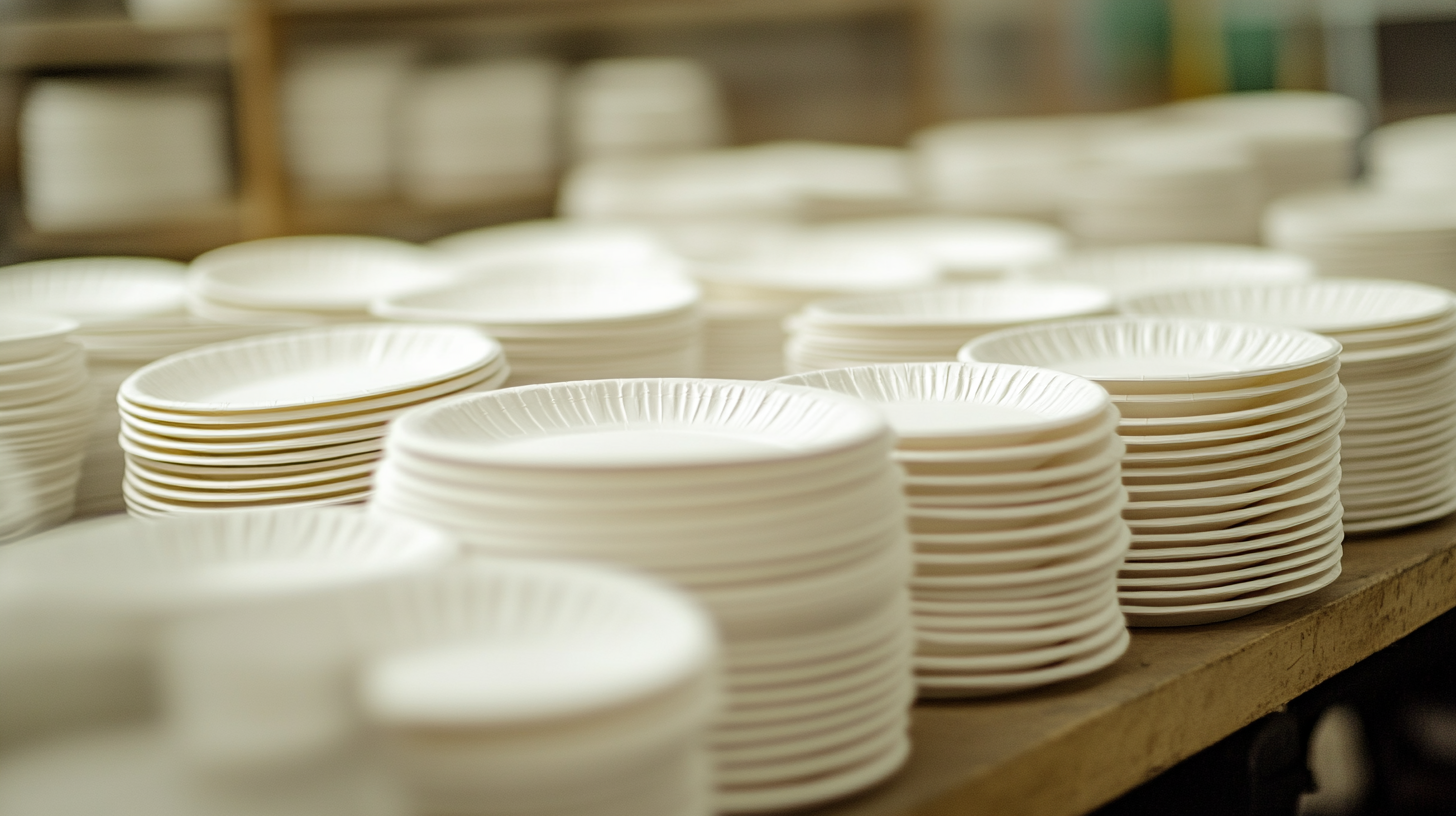
For high-quality large paper plates, it is source material quality that counts in terms of optimum function and sustainability demands. Studies have shown that paper products are on the rise, especially for food and beverage industries where, by 2024, the expected value of global folding carton market sales will amount to more than US$20 billion, with annual growth averaging about 5.9% from 2025 to 2034. This growth definitely reflects the increased trend toward sustainable packaged solutions, thus, including the use of high-quality paper materials in the manufacture of large paper plates.
Material quality in itself takes a key roll in functionality and endurance of paper plates. With the latest quality excellence award in the packaging industry, the dependence on superior sourcing of materials never befell more than this point in time. High-inline paper plates should comprise not limited offerings to those required for food service but also those that withstand rigid safety standards. Most buyers consider products manufactured with raw fibers that are responsibly sourced.
The incorporation of advanced materials, such as carbon-fiber reinforced plastics into packaging, signifies that the industry is still innovating forward. As applications for these advanced high-performance materials develop, they will create the precedent for the paper industry to adopt similar innovations. Thus, knowing the important components in the production of paper plates is essential to every buyer who intends to take advantage of the emerging market for high-quality disposable products.

Large paper plates in disposable tableware have captured the center of attention in the market because of its best use by most people who prefer portable and eco-friendly products. In recent years, this approach has posed new challenges for buyers whose interests are in sourcing products of high quality because it implies learning global production trends. In addition, major manufacturing countries have had a significant impact on the market landscape as they provide pointers to production capabilities, quality standards, and innovation.
China is still the major leading country in large paper plate manufacture, using state of the arts techniques for low labor costs. The largest producer has got very modern machinery in its factories in which production is done in great efficiency with very high output. Early rapid growth comes with the questioning against a company's environmental regulations and sustainability practices. Such an issue seems ever more pertinent as buyers do business with Chinese manufacturers.
India is another important player in the international arena, known for innovative designs and increased capacity in exports. The production scenario is gradually transforming in India, and sustainable practices are being adopted by many manufacturers, including use of recycled materials and biodegradable coatings. This certainly conforms to the global demand for eco-friendly options, making Indian products an equally competitive alternative in international markets.
Other major producing countries are the US and several European countries, all of which have quality control and compliance with regulations standards. Safety and quality of disposable products are therefore a priority for buyers opting for such products. Understanding how the emerging market for large paper plates would shift will be crucial for sourcing superior quality products-manufactured ones that would also satisfy consumer needs and environmental standards.

In today's consumer world, sustainability in sourcing has become a crucial consideration for businesses and consumers alike. With regard to products such as big paper plates, there is an increasing demand for environmental-friendly products that cater to the tenets of reduce, reuse, recycle. Companies are also increasingly trying to find suppliers who work with materials recycled for processing into their production lines and have sustainable processes for manufacture. Not only does this cut greenhouse gases, but it also contributes to a circular economy.
An excellent way for furthering sustainability in the supply chain is with practices that focus on the lifecycle of products. Paper plates can source from manufacturers that use bamboo or only uncoated consumable materials, drastically lowering its environmental footprint. Even the logistics of sourcing for these products, favoring local suppliers and cutting down on transportation emissions, would play a key role in cutting down overall impacts on our planet.
A global buyer should have an assurance of obtaining information on sustainability certifications and standards. Brands that openly communicate their sourcing pathways and provide credible eco labels empower consumers to make informed choices. Businesses enhance their image by working with suppliers who genuinely care for the environment, and in doing so, they also help the state of our planet for future generations to inherit an alive ecosystem. Such choices also represent a broader commitment to sustainability that resonates with the ideals of the modern consumer.
Price structures must be understood in order to source quality large paper plates that are very affordable but at the same time, of great quality. The first step in cost navigation is to familiarize oneself with the various price factors that come into play. An example of cost factors is the material used in production. Virgin paper plates are usually higher in price than recycled ones as a result of the huge production costs incurred in making them. Moreover, price increases have to do with them being thicker and stronger plates but then again more cost-effective as it saves one from wasting costs through product failures during the event.
Another variable is the order scale. Bulk purchases generally qualify for high discounts per unit unit but this requires a very careful study of actual needs. One should also keep in mind additional costs related to shipping, which could vary greatly according to distance of supplier and size of order. After that, good quotes from multiple suppliers should be obtained and terms negotiated to see the proper deal without compromising on quality. Cost and quality are rightly achieved this way, letting you secure your paper plates that you need without over-spending.
Last but not most important, watch on-market moves and seasonal fluctuations that may affect prices. Demand is what will drive costs up during peak periods such as holidays and summer events. Buying in advance and looking at off-peak options will yield a better price while ensuring the quality you require for your events.
Moreover, given the complexity with which the modern-day supply chain tends to operate, it should now be emblazoned in the minds of all stakeholders that logical planning along with best practices within the logistics field would greatly assist the entities in enhancing productivity and cost propagation. One of the first steps toward this would be building strong partnerships with reputed shipping lines that take an interest in the details of handling your product right down to its sorriest idiosyncrasies. This close collaboration may improve communications and prosper operations in a win-win situation.
Again, companies must ensure proper packaging to secure their products during shipment. Getting durable packaging materials is an investment that pays off by reducing damages to products in transit, thereby uplifting customer satisfaction. Equally important is the logistics timeline; with knowledge of shipping time, customs time, and delays, realistic expectation for delivery can be set. A business should also be able to forecast inventory and demand fluctuations, which provides the opportunity for buffer replenishment to avoid stockouts.
Technology should also be harnessed to improve the logistics operations. A tracking system can provide real-time updates on shipments, while data analytics can be very instrumental in forecasting demand and optimizing routes. Businesses that embrace technology will create transparency along the supply chain that allows for better decision-making and resource allocation—two key enablers for success in international sourcing for large paper plates.
While sourcing large paper plates of superior quality, it becomes paramount to understand certifications and compliance to ensure safety and adherence to industry standards. Food service being an industry that predominantly uses disposable tableware may thus necessitate every material used in their manufacture to comply with FDA regulations and environmental standards stipulated by the EPA. The Paper and Plastics Packaging Environmental Council has published a recent report asserting that around 75% of Food Packaging is made from materials that meet or exceed safety guidelines, showing the industry's utmost importance on maintaining quality standards.
Sourcing paper plates calls for the first key certification: Forest Stewardship Council (FSC) certification. This guarantees that forest management is undertaken to benefit the environment, society, and the economy. Additionally, products are certified by the Biodegradable Products Institute (BPI) according to certain standards of compostability, rendering it relative as consumers ask for more sustainable alternatives. Research published in the Journal of Cleaner Production noted a 15% increase in consumer preference for compostable disposable food service items over the traditional ones, thus making it clear how critical compliance to these standards actually is.
It is a requisite to source paper plates that conform to FDA guidelines for food contact materials with regard to safety. New information reveals that lack of compliance can pose grave public health risks and deprivation of economic benefits. Approximately 25% of foodborne illnesses are attributable to improper food handling and packaging practices. Allowing paper plates to be certified by various specifications minimizes risk, allowing users to sell safe products and contribute to a sustainable industry.
To carry-out business activities in the global market, recognizing dependable suppliers is vital for any international buyer seeking high-quality large paper plates. As evidenced in a recent report by Smithers Pira, the global market for paper plates is slated to reach $3.8 billion by 2025, and much of this growth will be propelled by increasing rates of consumer demand for more sustainable and green foodservice products. Under these exigencies, it is more than imperious that your supplier keeps up with the yardstick set.
One of the most credible methods to ascertain product quality is through third-party certifications. The buyer should feel assured that the products being acquired by him and even those imported by his company are certified by internationally-recognized certification agencies, such as ISO (International Organization for Standardization) and FSC (Forest Stewardship Council). It is even indicated by a study from Technavio where over 60% of buyers give topmost priority to procuring suppliers who source sustainably certified products. This speaks more toward responsible sourcing in the industry.
A background check will also offer a way of determining the trustworthiness of a potential supplier. These processes include evaluating the supplier's production practices, obtaining customer reviews, and assessing the regulatory compliance of the supplier. For example, FDA regulations outline safety protocols for food-contact materials, so suppliers that follow this provision can be expected to offer high-quality products.
By verifying the quality of products and integrity of suppliers, buyers can ensure the procurement of large paper plates that meet their exact requirements while achieving industry sustainability goals. The process of evolution will be unrelenting in the market, and it will make any informed decision related to procurement, which would be a competitive edge for most.
Sustainability is important in sourcing paper plates because it helps reduce greenhouse gas emissions, supports a circular economy, and meets the growing consumer demand for eco-friendly options.
Eco-friendly paper plates are often made from bamboo or uncoated compostable materials, which significantly lessen their environmental footprint.
Look for certifications like the Forest Stewardship Council (FSC) certification for responsible forestry and the Biodegradable Products Institute (BPI) certification for compostable products.
Sourcing locally minimizes transportation emissions, which plays a crucial role in reducing the overall environmental impact of products.
Non-compliance in food packaging can lead to significant health risks, with up to 25% of foodborne illnesses traced back to improper handling and packaging.
Third-party certifications, such as FSC and ISO, provide assurances that products meet specific sustainability and safety standards, helping buyers make informed sourcing decisions.
To assess the reliability of a supplier, conduct background checks on their production practices, gather client testimonials, and evaluate their compliance with international regulations like those from the FDA.
Consumer preference is shifting towards compostable disposable items due to increased awareness of environmental sustainability, with a reported 15% increase in preference for these products.
Eco-labels provide transparency about sourcing methods and sustainable practices, empowering consumers to make informed choices regarding environmentally friendly products.
By engaging with suppliers committed to sustainability, businesses can enhance their reputation, reduce environmental impact, and contribute positively to the health of the planet.