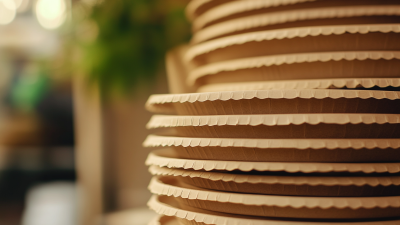
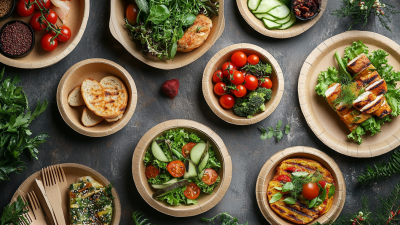
You know, as we all try to be a bit more eco-conscious these days, it’s no surprise that there’s a growing buzz around sustainable and innovative products—especially when it comes to disposable tableware. I mean, by 2025, biodegradable Paper Plates could totally change the game in terms of convenience and being environmentally responsible! Here at NINGBO VALUPAPER CO., LIMITED, founded back in 2011, we’ve really embraced this vision. We’re all about creating top-notch biodegradable paper products that fit what consumers are looking for. Our story originally began with helping out local printing companies around Ningbo, and now, it’s pretty amazing that we export our standout products all over the world. This just goes to show how committed we are to quality and sustainability. So, why not join us on this journey? Let’s dive into the exciting innovations that are shaping the biodegradable market, and see just how our dedication to excellence puts us right at the forefront of this big change!
Overview of Biodegradable Paper Plates and Their Environmental Impact
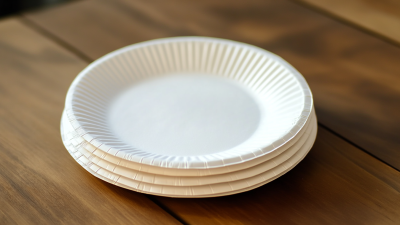
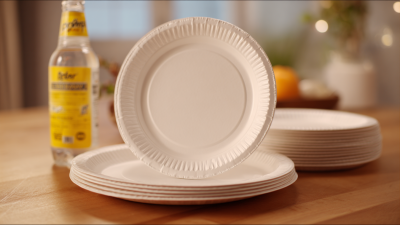
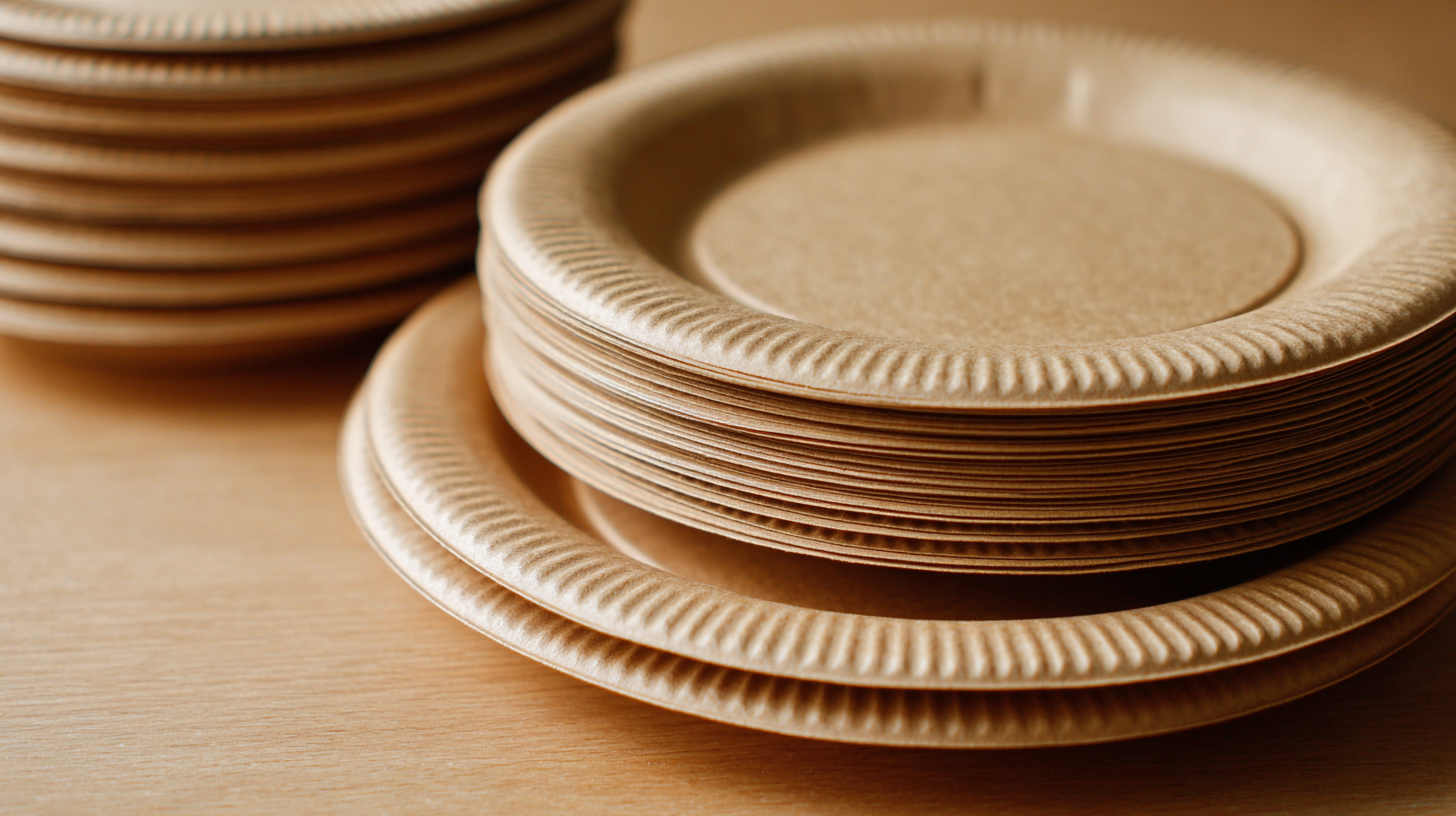
With more and more people looking for sustainable options, biodegradable paper plates are really stepping up as a game-changer in the fight against plastic pollution. These plates, made from eco-friendly materials, break down naturally—which is awesome for cutting down on waste and being kinder to our planet. Experts predict that by 2025, we'll see some cool innovations in the design and production of these plates, which will not only make them even more functional but also super appealing to consumers and businesses alike.
Ningbo Valupaper Co., Limited has been leading the charge in this exciting shift since we started back in 2011. We are seriously committed to quality and sustainability, and that’s why we’ve developed a wide range of high-performance paper products, including some really neat biodegradable options for all you eco-conscious folks out there. We’re all about pushing technology and processes forward to ensure our products do more than just meet environmental standards—they actually aim to exceed them! We want to contribute to a brighter, greener future for our world. As we look ahead to 2025, we’re keeping our eyes on innovation and sustainability, making sure our biodegradable paper plates are the go-to choice for anyone wanting to make a positive impact on the environment.
Types of Biodegradable Materials Used in Paper Plates
You know, the push for sustainable packaging is really shaking things up in the world of biodegradable paper plates. Folks are getting creative with all sorts of materials, but one of the most popular has got to be those plant-based fibers. I mean, they come from stuff like sugarcane bagasse and bamboo, which break down super quickly. Not only does this help the planet, but it also gives us some solid and functional products to use.
And let’s not forget about Polylactic Acid, or PLA for short! This one’s made from renewable stuff like corn starch. It’s really taking off in the food service scene because it does a great job keeping moisture and grease at bay. Perfect for serving all kinds of yummy dishes! Plus, some companies are getting innovative by mixing recycled paper with natural coatings to make the plates even tougher, all while keeping them compostable. It’s pretty exciting to see how all these new ideas are coming together – the future of disposable tableware is looking bright and green!
Future Innovations: The Rise of Best Biodegradable Paper Plates by 2025 - Types of Biodegradable Materials Used in Paper Plates
| Material Type | Biodegradation Time | Environmental Impact | Uses | Cost (USD) |
| PLA (Polylactic Acid) | 60-90 days | Low impact, renewable | Utensils, plates | 0.15 - 0.30 per unit |
| Bagasse | 30-60 days | Sustainable waste product | Plates, bowls | 0.10 - 0.25 per unit |
| Palm Leaf | 60-120 days | Biodegradable, minimal processing | All types of food service | 0.20 - 0.35 per unit |
| Recycled Paper | 90-120 days | Reduces deforestation | Plates, napkins | 0.05 - 0.15 per unit |
| Kraft Paper | 60-90 days | Natural, less processing | Food containers, plates | 0.08 - 0.18 per unit |
Comparative Analysis: Biodegradable vs. Traditional Paper Plates
As the eco-friendly movement gains momentum, the comparative analysis between biodegradable and traditional paper plates becomes increasingly significant. Biodegradable paper plates, often produced from renewable resources such as sugarcane and bamboo fibers, present a sustainable alternative to their conventional counterparts. Their production not only reduces the carbon footprint but also addresses the pressing environmental issues caused by plastic waste. With expectations for the eco-friendly paper plates market to soar between 2025 and 2035, consumer demand for sustainable disposable tableware is evidently reshaping industry standards.
In addition to their environmental benefits, sustainability also extends to the health aspects of biodegradable products. Unlike traditional plates, which may contain harmful chemicals, biodegradable options made from bioplastics derived from natural sources are marketed as safer for both human health and the environment. Research shows that bioplastics can serve effectively in Food Packaging, offering similar functionalities to conventional plastics but with a markedly lower toxicological profile. As these alternatives continue to evolve, they promise to revolutionize our approach to disposable tableware, moving us towards a more sustainable future.
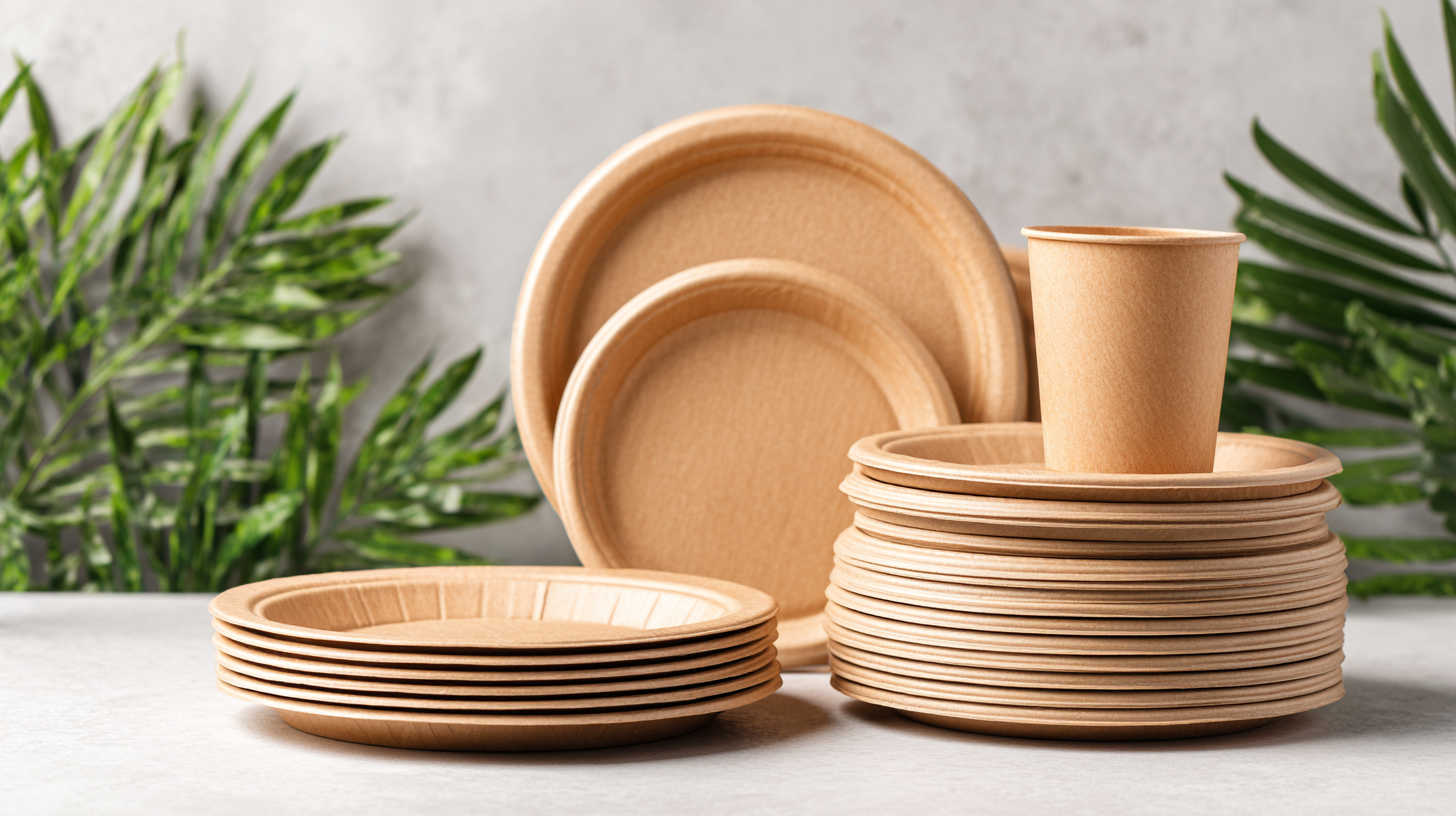
Key Features of High-Quality Biodegradable Paper Plates
You know, with more and more folks looking for eco-friendly options these days, biodegradable paper plates are really gaining traction as a favorite among environmentally conscious consumers. It’s pretty exciting because by 2025, we’re expecting some big leaps in how these green alternatives are made, especially when it comes to quality and sustainability. Take NINGBO VALUPAPER CO., LIMITED., for instance—they’ve got these awesome biodegradable paper plates that promise to be super durable while still being kind to our planet.
When you're out shopping for biodegradable plates, keep an eye out for a few important features like compostability, water resistance, and food safety. It's super important to pick plates that are made from renewable materials and can naturally decompose, so they don’t just end up piling up in landfills. Plus, a good finish on these plates can really help with preventing pesky leaks and grease stains, making them perfect for all sorts of delicious dishes you whip up.
And hey, quick tip: always look for certifications that show your plates meet biodegradable standards. This way, you know you’re making a savvy choice for the environment, while also backing companies that really care about sustainability and innovation in what they do.
Future Innovations: Biodegradable Paper Plates Market Growth by 2025
The chart illustrates the projected growth of the biodegradable paper plates market from 2019 to 2025, showing a significant increase in market value as consumer awareness and demand for sustainable products rise.
Optimal Use Cases for Biodegradable Paper Plates in Different Settings
You know, in recent years, there’s been a real trend towards more sustainable dining options, and biodegradable paper plates have really taken off. These eco-friendly plates are super versatile – you can use them in all sorts of places, whether it’s a busy restaurant or just a casual family gathering at home. Interestingly, a report from the Environmental Protection Agency mentioned that they expect the demand for biodegradable products to jump by 10% from 2023 to 2025. That definitely shows that people are leaning more towards choosing sustainable materials these days.
In the food service world, biodegradable paper plates are basically a win-win for everyone involved. Restaurants, catering services, and even food trucks love them because they not only fit well with green initiatives but also make life easier for both customers and business owners. There’s a survey from the Foodservice Packaging Institute that found over 70% of restaurants that made the switch to biodegradable options got really positive feedback from their patrons. That just goes to show that folks are becoming more aware of sustainability issues. Plus, these plates are tough enough to hold up against all kinds of food, making them perfect for anything from laid-back picnics to more formal events.
And guess what? Biodegradable paper plates are also becoming popular in schools, especially during lunches and outdoor activities. Some studies have shown that schools using these products have managed to cut down their waste disposal costs by as much as 25%. Not to mention, they’re helping to teach students about taking care of our planet. With such encouraging stats, it’s pretty clear that biodegradable paper plates aren’t just a passing fad – they’re really reshaping the way we think about dining and handling waste in our everyday lives.
Future Trends: Innovations in Biodegradable Plate Technology by 2025
As we gear up for 2025, the world of biodegradable plate technology is about to get really exciting. We’re seeing some amazing innovations that focus on being eco-friendly without skimping on how well these plates perform. Think about it: researchers and entrepreneurs are working hard to find materials that break down easily and are gentle on our planet. One really cool development is the use of plant-based stuff like cornstarch and sugarcane fibers. These aren’t just tough and durable, but they also break down in just a few months when composted, which is a big win for everyone.
But it’s not just the materials that are changing; the way these plates are made is getting a makeover too! Companies are really stepping up their game and investing in greener production methods that cut down on energy use and waste. Plus, some of the latest biodegradable plates are coming with smart tech. This means they can have better structural integrity and resist moisture, which makes them super handy for all sorts of food service needs. As more and more people start leaning towards greener options, I think we’ll see these awesome biodegradable plates popping up in restaurants, events, and even in our homes. It’s all about creating a culture that embraces sustainability and responsible consumption, and I’m here for it!
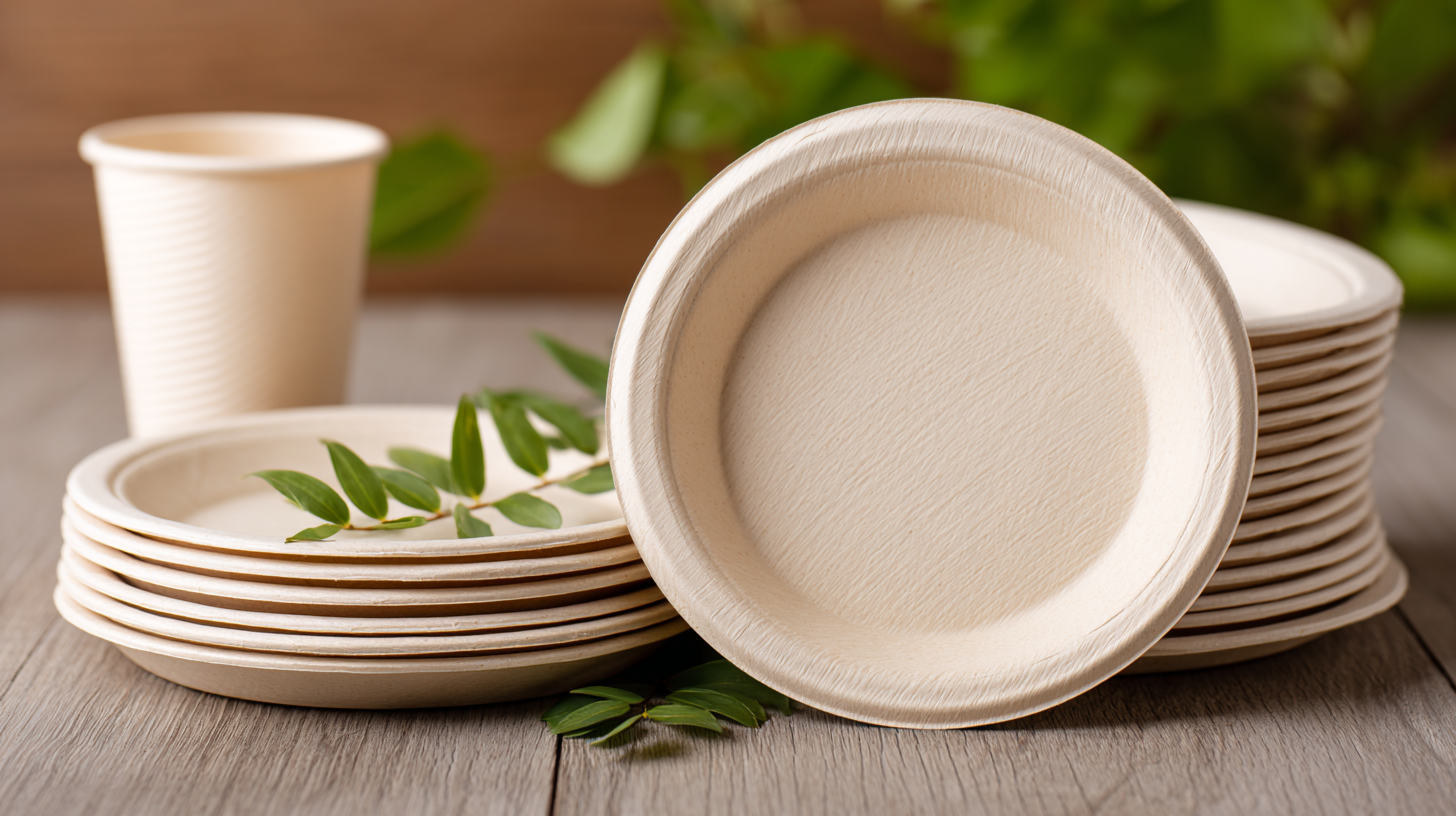
Enhancing Food Presentation and Sustainability: The Rise of Kraft Paper Disposable Bowls in the Food Service Industry
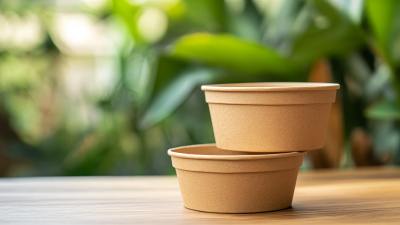
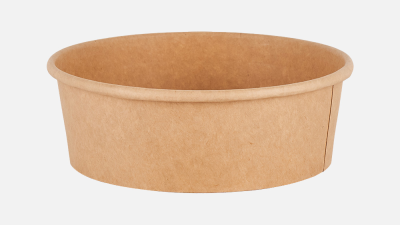
In recent years, the food service industry has witnessed a transformative shift towards sustainability, with a significant emphasis on enhancing food presentation. One standout product in this evolution is the kraft paper disposable bowl, which perfectly marries durability with eco-friendliness. These bowls are crafted from high-quality kraft paper, offering a robust and versatile solution for serving a wide range of dishes, from fresh salads to steaming hot soups. Their natural brown color adds a rustic and inviting appeal, making them suitable for diverse dining settings, including casual eateries, picnics, and catered events.
As more consumers prioritize sustainable choices, kraft paper bowls emerge as an ideal alternative to traditional plastic disposables. They not only minimize environmental impact but also provide an aesthetically pleasing option for food presentation. The eco-conscious design reflects a growing awareness among both consumers and businesses about the importance of reducing plastic waste. By opting for kraft paper disposable bowls, food service providers can align their operations with sustainable practices while delivering an attractive and functional product that enhances the overall dining experience.
FAQS
: Common materials used for biodegradable paper plates include plant-based fibers like sugarcane bagasse and bamboo, as well as Polylactic Acid (PLA) derived from corn starch.
Biodegradable paper plates are produced from renewable resources, which reduces the carbon footprint and addresses environmental issues related to plastic waste, making them a more sustainable choice.
PLA provides a good barrier against moisture and grease, making it ideal for serving various dishes while maintaining the compostable properties of the plates.
Yes, biodegradable options made from natural bioplastics are marketed as safer for human health compared to traditional plates, which may contain harmful chemicals.
The increasing consumer demand for sustainable disposable tableware is reshaping industry standards and driving innovation in the production of biodegradable paper plates.
Manufacturers are experimenting with recycled paper blended with natural coatings to enhance durability while ensuring compostability.
The market for eco-friendly paper plates is expected to soar, indicating a significant increase in consumer demand for sustainable options during that period.
The production of biodegradable paper plates from renewable resources is designed to reduce the overall carbon footprint compared to traditional disposable options.
Yes, recent research shows that bioplastics, including those used in biodegradable plates, can provide similar functionalities to conventional plastics in food packaging.
Biodegradable paper plates are made from renewable materials, have a lower toxicological profile, and do not contribute to environmental pollution like traditional plates.