Leave Your Message
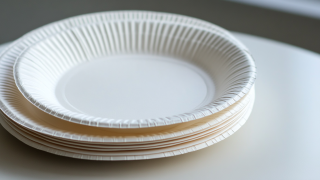
Today, convenience often drives our dining experiences. One form of novelty that is beginning to catch on is the use of Microwave Paper Plates. These plates are actually specially designed for the sake of safety in microwave cooking as they are functional. Most households or food service establishments would buy these ones instead. An industrial research report stated that cold microwave Food Packaging would witness significant growth because there is a shift toward instant meal solutions as most consumers are now looking at easy ways to clean up after meals without sacrificing taste.
Starting from 2011, we at NINGBO VALUPAPER CO., LIMITED have been in this trend of supplying high-quality paper products in line with changing needs. Our Microwave Paper Plates are meant to resist high temperatures; thus, reducing the risks associated with using traditional plastic and Styrofoam options. As more consumers adopt greener and safe food packaging products, it becomes an even smarter investment, not just to the interests of the environment, but also due to smart business strategy towards consumerism for convenience and sustainability.
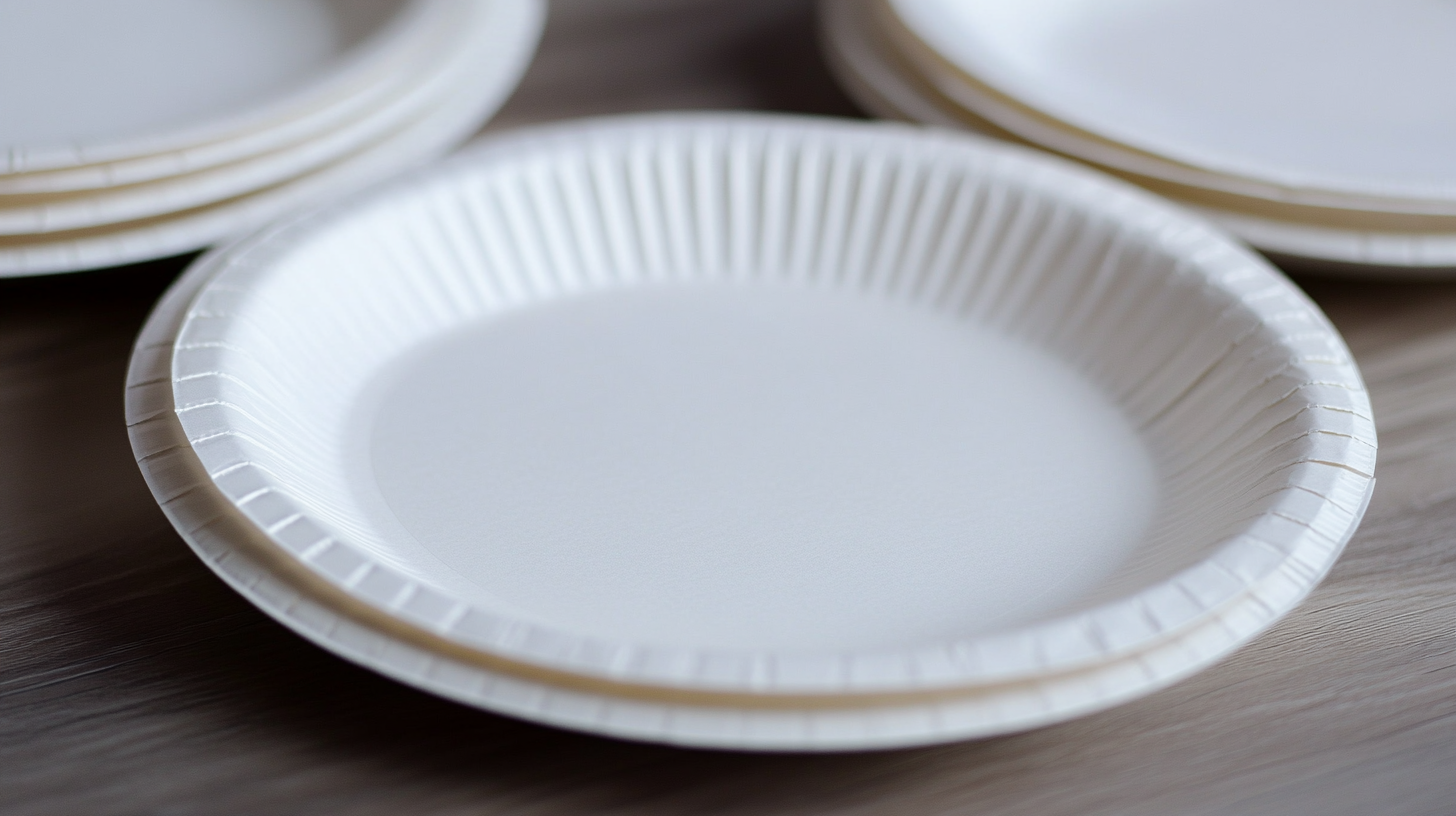
Thermally and chemically safe microwave paper plates also excel because they're lightweight and clear in terms of disposability. Yet, they become important regarding safety for use in the microwave since this is a primary reason they have to be subjected to rigorous standards so they do not have adverse health effects. It is necessary that consumers understand the safety standards for microwave paper plates since they are critical to finding good options for reheating food. Route generally uses microwave-safe paper to manufacture utensils from raw materials that are capable of withstanding very high-temperature exposure without leaching harmful chemicals into food. Most manufacturers design their products according to the standards set by FDA and other relevant organizations whereby the paper used to make the plates should not contain harmful materials like BPAs or other toxic dyes. Testing, in general, involves putting the plates into microwave conditions and examining for any physical changes or chemical migration from the plates to the food contained therein, hence proving that they are stable even at elevated temperatures. Of course, the plates must be made from microwave-friendly substrates, but it must also have certain features to be fully functional. Such features are the capability to resist moisture and tolerate heat to avoid turning out as warped and melted after usage. When in doubt, it is wise to follow labels or check for packing that carries a clear indication about microwavability, as this means that they will meet the safety criteria. Microwave paper plates that are certified as safe can allow speed in preparing meals without compromising the health and safety of a family.
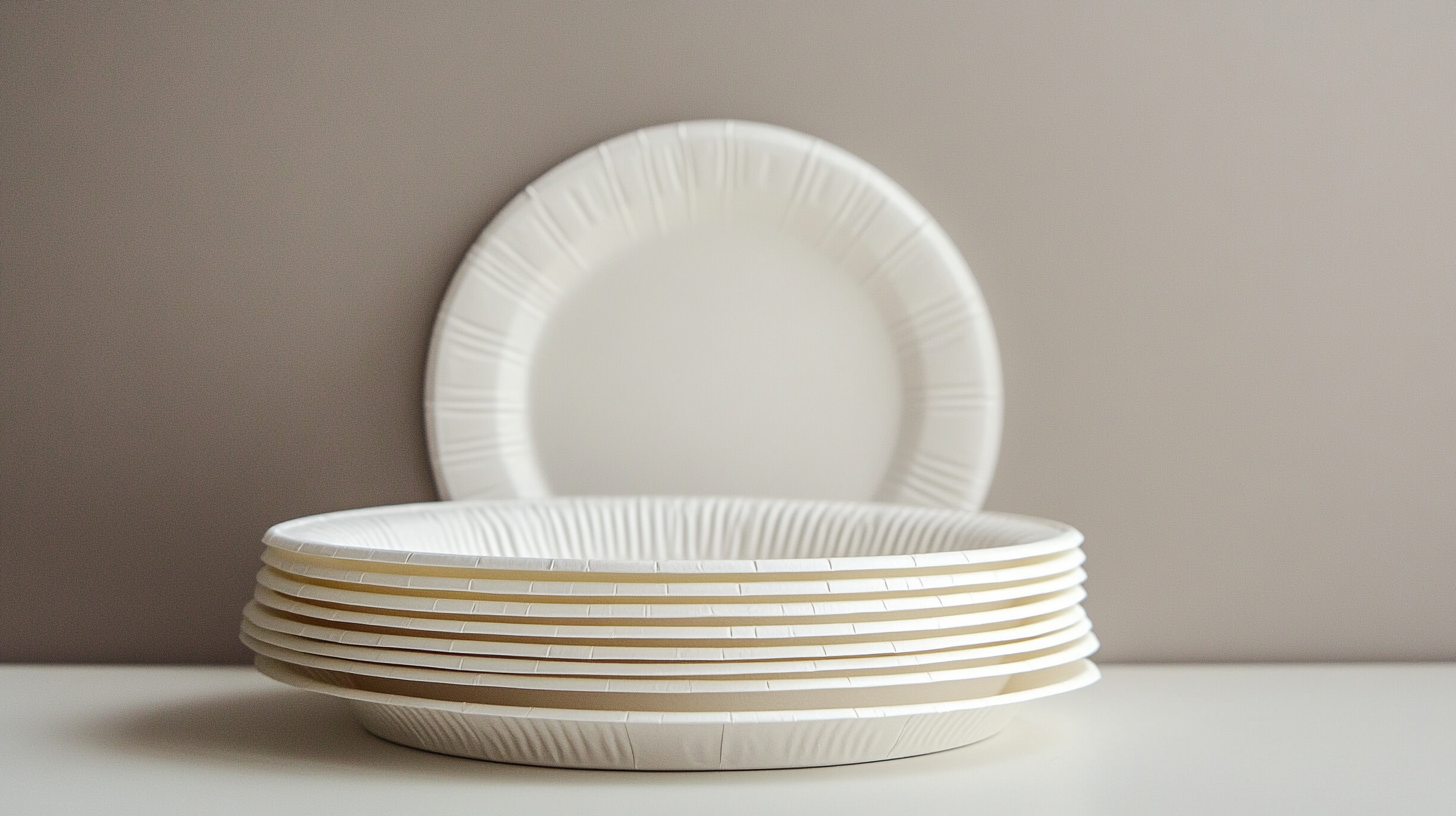
When it comes to disposables for dining, paper plates that can be used in the microwave are the most convenient for use and safety. The primary feature distinguishing these paper plates for microwave use is their construction material. With the capability to withstand heating during cooking, microwaveable paper plates are built from specially treated fibers resistive to warping or melting. This means that heating your food cannot compromise the integrity of your plate.
The other major feature is that there are no toxic chemicals in their production. Various brands produce paper plates that do not contain BPA or any other toxic element that could leach into the food when heated. Environmentally speaking, this is great for people and the planet as these plates are usually biodegradable as well. Moreover, many microwave-safe paper plates are layered with a thin coating of moisture-resistant material to avert sogginess, allowing them to withstand even wet meal deals.
Lastly, the convenience aspect cannot be neglected. Microwave-safe paper plates are lightweight and easy to carry, making them ideal for parties, picnics, or everyday use. Cleanup after meals isn't required, saving time and effort for a convenient dining option. Altogether, with these combined features, it's easy to appreciate why microwave-safe paper plates are a practical option for people wishing to enjoy their meals more conveniently and safely.
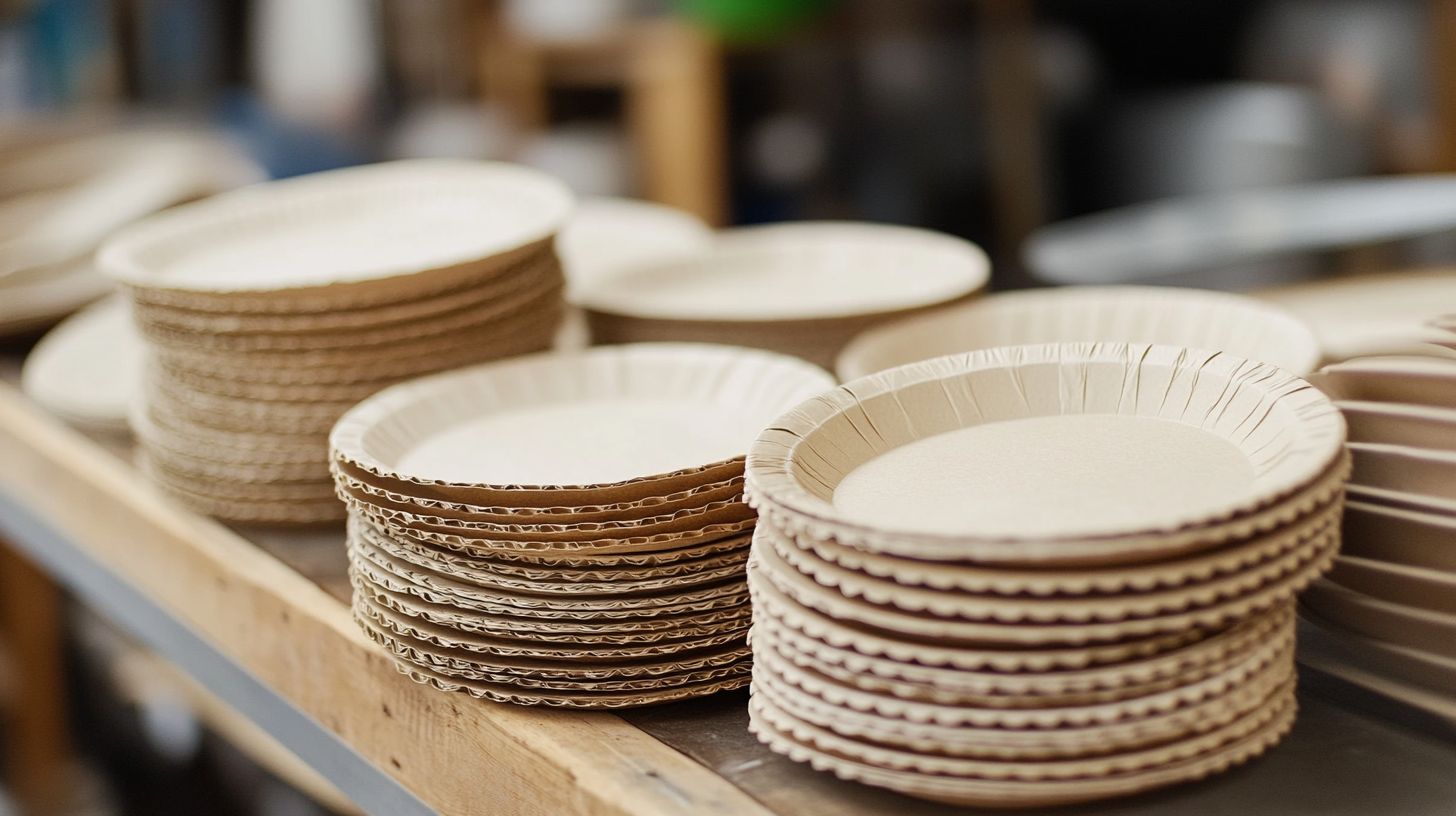
While microwaving food, there are containers that one can use, and depending on their choice, they can impact the health or safety of the food quite negatively. For most people, their choice lies between their weird paper plates and containers, alongside other options such as plastic containers and cling films. Everything is not made equal with respect to microwave radiation.
Some recent studies have revealed injuries caused by the use of certain paper containers, especially the paper ones laminated with plastic-laminated finishes for waterproofing. When microwaved, such paper containers leach harmful chemicals from themselves into the food that will expose the consumers to health risks. This has been drastically opposed to microwave-safe specially manufactured paper plates designed to withstand microwave exposure without releasing such harmful toxins. They are made of higher stability materials that are rated safe for microwave use.
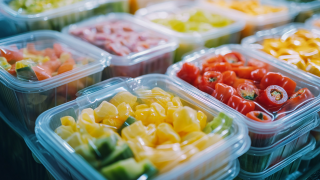
Plastic containers, on the other hand, have been found safe for some specific applications, while for others, it is a real mixed bag. Many of the commonly used plastics release harmful compounds under heat; these are mainly the kinds not designed for microwave use. Some variants are safe, such as types labeled BPA-free or those found specifically intended for microwave usage. Meanwhile, cling films vary widely in terms of the materials used and their safety profiles in the microwave—only specific types, like those made from poly(methyl pentene), have been found to be safe for food heating.
Because of the environment and the increased awareness by the general public about what goes into packaging, the choice of safe options when microwaving foods becomes a very important one. Microwave-safe paper plates stand out as a very excellent option for anyone who wishes to keep risks at a minimum while using a more convenient appliance in their kitchens.
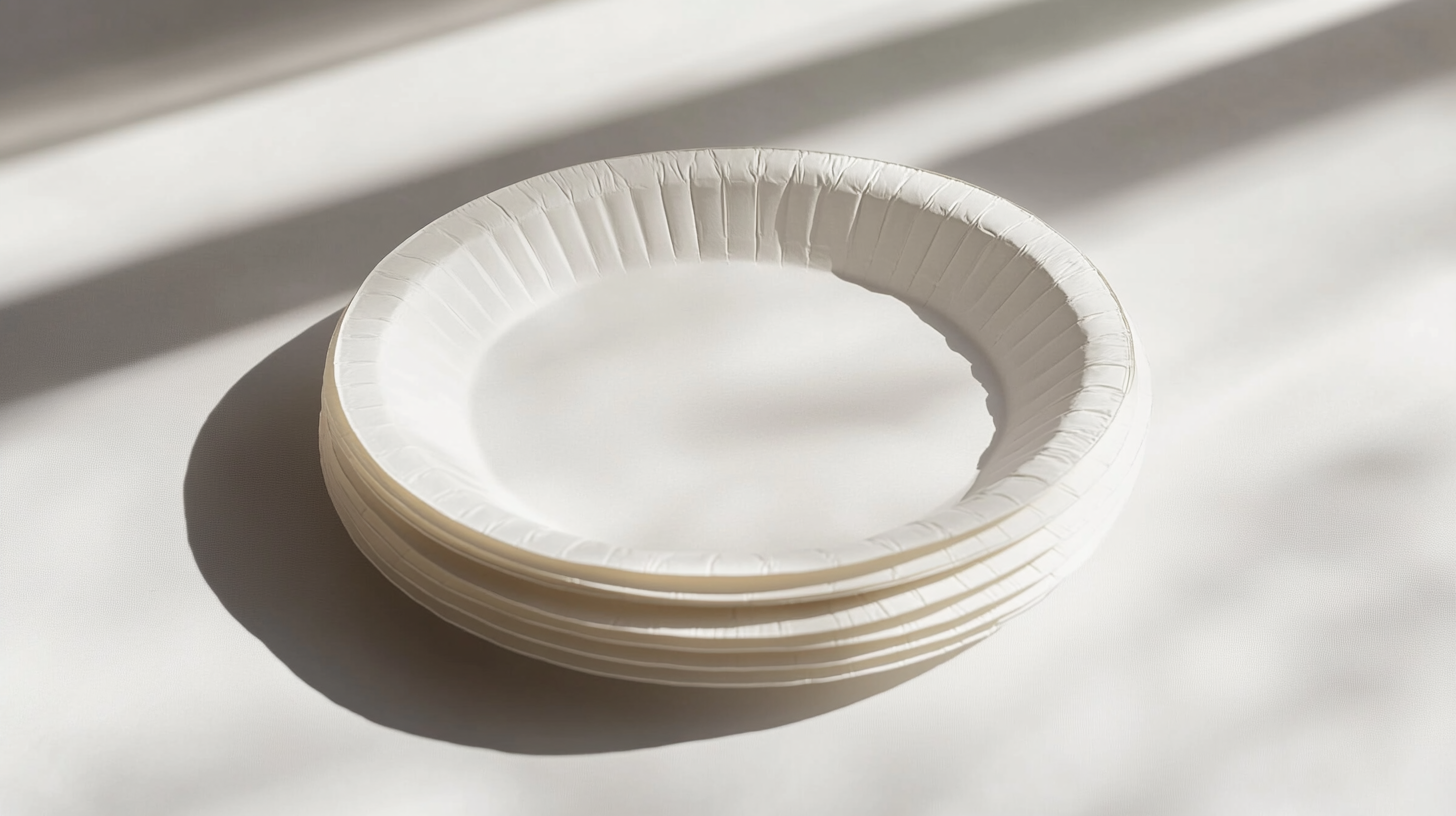
Paper plates that can be used in microwaves are not just a simple option for disposable use but bring with them a lot of benefits for the environment. With sustainability trending, many buyers are looking for alternatives to plastic and styrofoam products that contribute to landfill waste. According to the Environmental Protection Agency (EPA), around 27 million tons of plastic waste were produced in 2018 in the U.S., and just about 9% of that was ever recycled. Such a grim figure made it necessary to look for eco-friendly alternatives like the renewable source paper plates.
Microwave-safe paper plates, however, boast compostability as one of their prime achievements. Most are produced with unbleached kraft paper that can interact with natural conditions for a profitable biological degradation; something plastic products cannot do. The Biodegradable Products Institute (BPI) states that composting can reduce landfill waste by an impressive 30%, therefore making microwave-safe paper plates a practical choice for environmentally-conscious consumers. Paper products can also, in general, be produced with less energy than plastics, reducing their carbon footprint.
The next factor of major importance is the source of raw materials. Many manufacturers of microwave-safe paper plates use paper sourced from well-managed forests, as certified by such organizations as the Forest Stewardship Council (FSC). This promotes responsible forest management and encourages biodiversity. With an increasing army of consumers aware of their impacts on the environment, choosing these plates is a good way to support a healthier planet while enjoying the convenience of microwave cooking.
These microwave-safe paper plates serve not just for the easy serving of meals but rather lend themselves to many uses that surprise a person and enable its possession in any kitchen. As noted in a report by the Paper and Packaging Board, disposable foodservice products, which include paper plates, have been well-selling in the market, increasing the projected growth of their demand to 4.5% each year because of their convenience for busy lifestyles. Dishwasher-safe paper plates are an eco-friendly option since many brands make them with recyclable materials. Therefore, many casual and catered events prefer using such plates.
One of the most innovative ways for microwave-safe paper plates is that they can be used for crafting. These plates are pretty tough but lightweight, so people can really enjoy some DIY fun with them, making masks, ornaments, or even painting on them to display. Since microwave-safe specifications typically have a melting point over 200°F, such plates are safe for children's arts and crafts. Beyond crafting, you can use these plates as mixing bowls or trays and prepare your meals with them, making for good ingredient separation and less cleanup afterward.
The scope of microwave-safe paper plates can further extend to clinical or geriatric scenarios, where convenience and hygiene are paramount. In Sociology of Health and Illness, a peer-reviewed journal, single use plates were reported for their significant reduction of cross-contamination events-an important feature for at-risk populations. Within looking after patients, these plates assure proper sanitation at all times while serving up the multi-fold purposes of easy meal use and diet restriction free of the hassle of dishwashing. Their modernization thereby makes a case for inclusion as a staple as contemporary kitchens go.
One of the time/privacy savers is microwave-safe paper plates. These plates will soon be very popular because they are more eco-friendly and time-saving as the world looks deep into sustainable options due to universal bans on plastics. Just like those, these microwave-use-specific plates have their tips for safety and effectiveness.
First, check the labels on the packages. Only those that specify that they are microwave-friendly should be used. By this, assurance is given that they are well-suited to heat the temperature of microwave cooking without releasing any toxic chemicals or degrading. On no account must one use plates with metallic designs or embellishments; they will cause sparks and fires in the microwave.
Thirdly, it is worth keeping an eye on how well the hot plate heats. The material absorbs moisture, which will make the absorption soggy and may make the hot plate burn if left for too long. A microwave-safe cover will stabilize the heating by trapping steam while allowing for even heating. Also, very oily and greasy things should not be placed directly on the plate because they will ruin the plate's structure over time.
However, with the new developments in pulp molding such as PLA cast films, innovations are still continuing with food packaging products; therefore, proper sustainable use of materials is made necessary. The trends stress commitment, both from ecology and from consumer safety, as seen in microwave-safe paper plates, a tremendous option for both.
In the world of paper plate use in microwaves, there are some misconceptions that have a heavy hand on consumer judgment. The common misconception is that all paper plates are safe to microwave, which is far from the truth. For microwave use, only those paper plates that have been specifically labeled as microwave-safe have been designed to resist the high temperatures and moisture levels that might be present during microwaving. A paper plate that is non-certified can really become a melting pile of lead, releasing chemicals into our food or simply warping, so it can always cause harm.
Another thing is that people think that paper plates are totally equal in strength and heat resistance. Some plates, especially those that are heavily coated with plastic or wax, may not be safe for microwaving. The coating will either melt into food or leach into it when heated and may pose health hazards. Always check the packaging for microwave safety symbols to be sure you are working with a product that is safe for cooking your food.
Besides, many people think that convenience shows that paper plates can go in without any consideration into the microwave. Conditions, though, lead to problems like uneven heating. Timing on temperature settings is essential, and cooking time is critical, as even microwave-safe plates can get hot. These myths should not be a hindrance when using your paper plates, thereby allowing you to microwave and think of being rather health-conscious and safety-wise.
When shopping for microwave-safe paper plates, there are some things you need to ask yourself before you pick any of the plates. It is becoming evident that safety standards in food packaging do affect the choice of plates-makes one wants to be sure that the paper plates they choose are made from high-quality microwave-safe materials. An ideal paper plate would take in sounds such as "super hot, but does not disintegrate nor release anything considered harmful into food-even liquid. Purchase items labeled "microwave safe" only.
Furthermore, it is good to consider how the paper plate behaves in the microwave. Some paper plates have the quality of soaking moisture from food, making them soggy; therefore, it would be good to start choosing plates that come with moisture resistors for a better eating experience. Insulation is also very important, as most users complained regarding handling hot paper plates after heating, resulting in being burned. Thicker plates or insulated plates would be a big step in that regard.
Lastly, keep in mind the green element of what you are buying. There has been a lot of movement recently towards the cutting down of the use of plastics, so many manufacturers are producing environmentally friendly paper plates from renewable sources-they would not only satisfy all safety requirements but also save the environment. Right micro-safety paper plates will grant you easy and peaceful mind sailing.
Microwave-safe paper plates are typically made from specially treated fibers that can withstand heat without warping or melting.
Yes, many microwave-safe paper plates are free from harmful chemicals like BPA, preventing toxic substances from leaching into food when heated.
Some plastic containers can release harmful compounds when heated, while microwave-safe paper plates are designed to withstand heat without releasing toxins, making them a safer choice.
Not all paper plates are safe for microwaving; it's important to choose those labeled specifically as "microwave safe" to avoid health risks.
Opt for plates that are designed to resist moisture to avoid sogginess, enhancing the overall dining experience.
Choose thicker plates or those with built-in insulation to reduce the risk of burns when handling hot paper plates.
Yes, many manufacturers offer microwave-safe paper plates made from sustainable materials that are also biodegradable, contributing to environmental conservation.
Microwave-safe paper plates offer quick meal solutions without the hassle of cleanup, while ensuring that meals can be heated safely without compromising food safety.