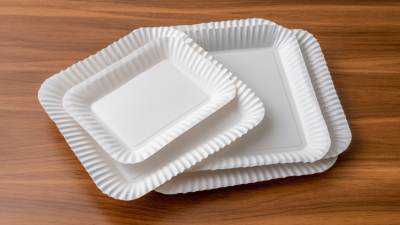
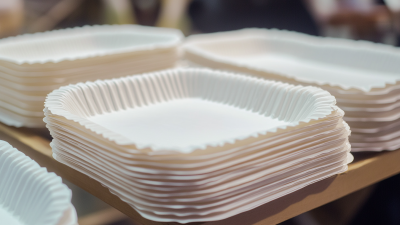
You know, in recent years, there’s been a real push for more sustainable dining options, and it’s great to see eco-friendly alternatives popping up everywhere, including those Rectangular Paper Plates we all know. As we sort through the whole environmental responsibility thing, it’s clearer than ever that we need to embrace sustainable dining practices. Here at NINGBO VALUPAPER CO., LIMITED, we totally get how important it is to offer top-notch paper products that not only suit what our customers are looking for but also reflect eco-friendly values. Since we started back in 2011, we’ve been all about serving the paper industry with innovative solutions designed to lessen our environmental impact. In this blog, we’ll dive into a bunch of great eco-friendly alternatives to the best Rectangular Paper Plates out there, helping you make greener choices when you dine, all while pushing for sustainable practices in the food service scene.
The Rise of Eco-Friendly Dining: Why It Matters Today
You know, the whole eco-friendly dining trend isn’t just a passing fad; it’s actually a pretty crucial response to all the worries we have about our environment these days. I mean, just think about it: the fast-food and quick-service restaurant market is set to grow from around $287 billion in 2024 to nearly $416 billion by 2032. That’s a jump with an annual growth rate of 4.74%! With numbers like that, you can bet these restaurants are under the microscope when it comes to their impact on the planet. This boom really highlights how urgent it is for places to embrace more sustainable practices—like using better disposable products, for example, good old paper plates.
Chefs like Mauro Colagreco and Daniel Humm are totally at the forefront of this movement, pushing for a greener culinary scene. They blend amazing food with a real sense of responsibility towards society. By promoting eco-friendly options in their kitchens, these culinary rockstars are not just feeding people but also getting consumers and other chefs to think differently about what it means to dine sustainably. It’s not just about swapping in biodegradable materials, either. It’s a whole mindset shift that includes smarter sourcing and waste management too. As the market keeps changing, the call for sustainable choices in every dining aspect is going to be more important than ever. Who knows? This could be the first step toward a greener future in the food world!
Explore Eco Friendly Alternatives to Best Rectangular Paper Plates for Sustainable Dining
| Alternative Material | Biodegradability | Manufacturing Process | Recyclability | Features |
| Bamboo Plates | Compostable | Pressed from bamboo pulp | Not recyclable | Stylish, sturdy, and heat-resistant |
| Sugarcane Plates | Compostable | Made from bagasse, a sugarcane byproduct | Not recyclable | Water-resistant and can hold hot foods |
| Palm Leaf Plates | Compostable | Created from fallen palm leaves | Not recyclable | Unique appearance and leak-proof |
| Cornstarch Plates | Compostable | Made from cornstarch polymer | Recyclable in some areas | Microwave safe and biodegradable |
Innovative Materials: Exploring Alternatives to Traditional Paper Plates
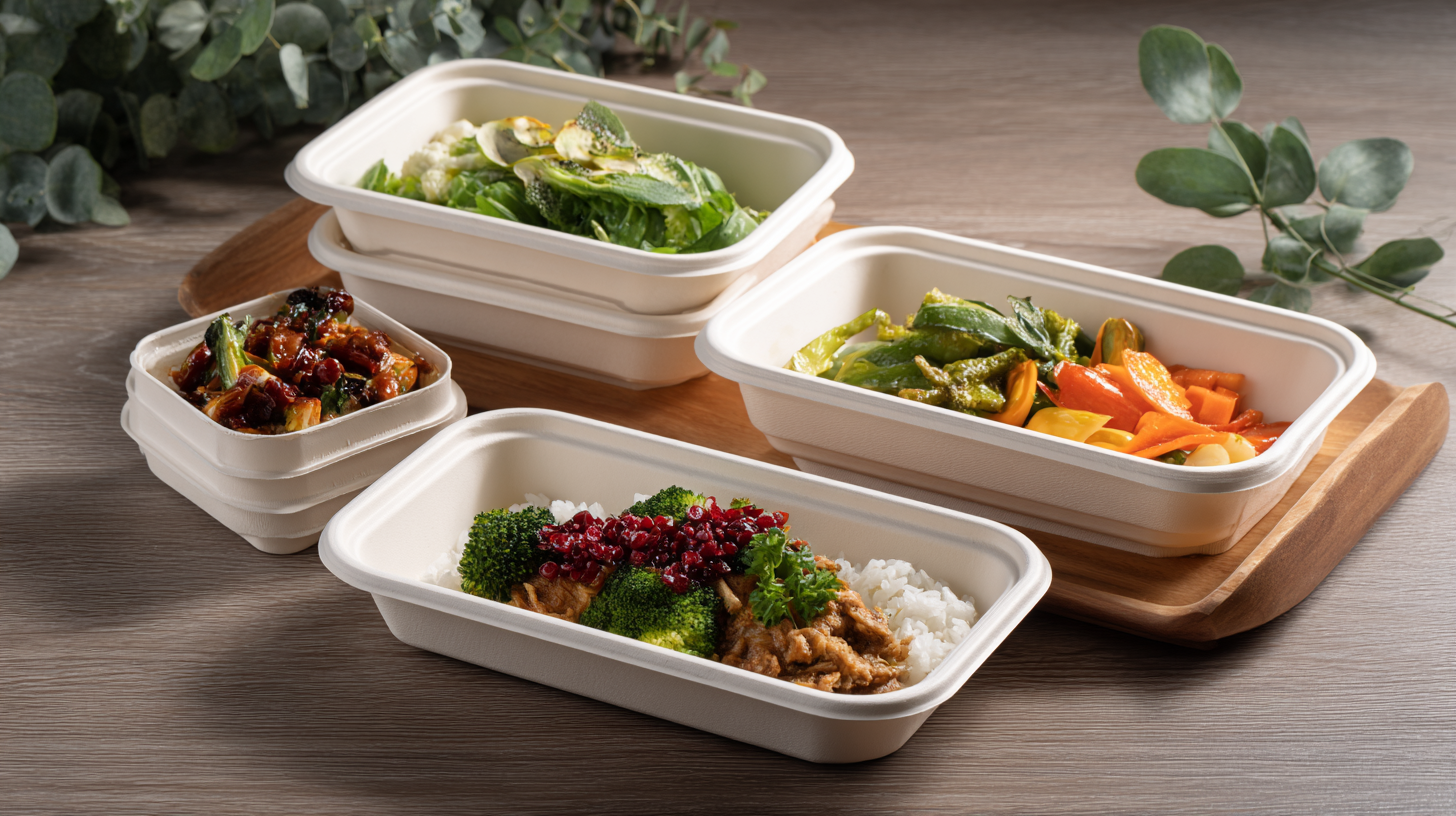
In recent years, the push for sustainable dining solutions has led to innovative materials emerging as alternatives to traditional paper plates. While paper plates are a convenient option for gatherings, they often contribute to deforestation and waste. Eco-friendly alternatives, such as plates made from bagasse, bamboo, and palm leaves, not only reduce environmental impact but also offer unique aesthetics and durability.
Bagasse, a fibrous byproduct of sugarcane extraction, makes for a sturdy option that is both compostable and biodegradable. Bamboo plates, on the other hand, are crafted from durable and renewable resources, providing a chic presentation while being gentle on the planet. Palm leaf plates, made from fallen leaves, boast a rustic charm and are fully compostable, ensuring that your festivities leave no harmful footprint. These materials demonstrate how innovative approaches to dining ware can marry functionality with environmental responsibility, paving the way for a greener future in sustainable dining.
Sourcing Sustainably: How to Choose Environmentally Friendly Products
So, when you're picking out eco-friendly stuff for your dining needs, it’s super important to understand where it all comes from. Did you know that about 40% of all solid waste in the U.S. comes from food service and packaging? That’s a pretty eye-opening number! It really drives home why we should be looking at more sustainable options. Take those biodegradable rectangular paper plates made from recycled materials or bamboo, for instance—they break down way faster than plastic ones.
On top of that, a study from the Sustainable Packaging Coalition found that over 70% of folks are actually cool with paying a little more for packaging that’s better for the environment. That’s a clear sign that more and more people are jumping on the sustainability train!
If you want to make smarter choices, definitely keep an eye out for certifications like FSC (Forest Stewardship Council) and ASTM D6400. These labels promise that the products come from responsibly managed forests and are compostable, which is awesome! According to a report by GreenBlue, products meeting these standards not only help cut down on landfill waste but also lower carbon emissions during production. By focusing on these certifications, we can all do our part to support a circular economy that lessens our ecological footprint while also backing businesses that care about sustainability.
As the whole eco-friendly dining conversation keeps growing, making thoughtful picks about our disposable tableware can really help pave the way toward a greener future.
The Impact of Eco-Friendly Plates on Waste Reduction Efforts
You know, these days, people are really starting to notice how single-use plastics are messing with our planet. It's no wonder that eco-friendly alternatives, especially when it comes to dining ware, are becoming super popular! I came across this eye-opening report by the Environmental Protection Agency that revealed a staggering 28 million tons of plastic waste were churned out in just one year in the U.S. Crazy, right? A big chunk of that waste comes from those disposable plates and utensils we often use without thinking. But here’s the good news: if we switch to eco-friendly plates made from stuff like sugarcane, bamboo, or even compostable paper, we can really make a dent in our environmental footprint.
These alternatives aren’t just some trendy choice; they’re actually biodegradable! Plus, they play a huge part in reducing waste. There’s research from the Green Restaurant Association that shows if restaurants switch to sustainable dining products, they can cut down on plastic usage and encourage us all to be more responsible consumers. For example, using plant-based plates can help reduce waste by up to 50% compared to the old-school Styrofoam and plastic plates we’ve all seen. And many of these eco-friendly options are designed to be composted, which means they can turn into nutrient-rich soil. How cool is that? So, as we keep moving towards a more sustainable way of dining, every little change we make can really add up and create a better situation for waste management and our planet’s health.
Brand Spotlight: Companies Leading the Way in Sustainable Dining Products
You know, when it comes to finding sustainable dining solutions, there are some pretty awesome companies stepping up their game with eco-friendly alternatives to those old-school paper plates. Brands like Eco-Tableware and EarthChoice are really shaking things up in the disposable tableware scene. They’ve got some cool products made from bamboo, palm leaves, and recycled fibers. And get this: not only do these materials break down way easier in the environment, but they’re also surprisingly sturdy—definitely giving plastic a run for its money! So whether you're hosting a picnic or a fancy dinner, they've got you covered.
Another great name to mention is Bamboo Bio. They’re all about those biodegradable plates that really nail the balance between looking good and being eco-conscious. Their designs are super stylish, making them fit right into any dining setup without the whole guilt trip of harming the planet. Seriously, when you support these brands, it feels good to chow down knowing you’re playing a part in the whole sustainable future thing.
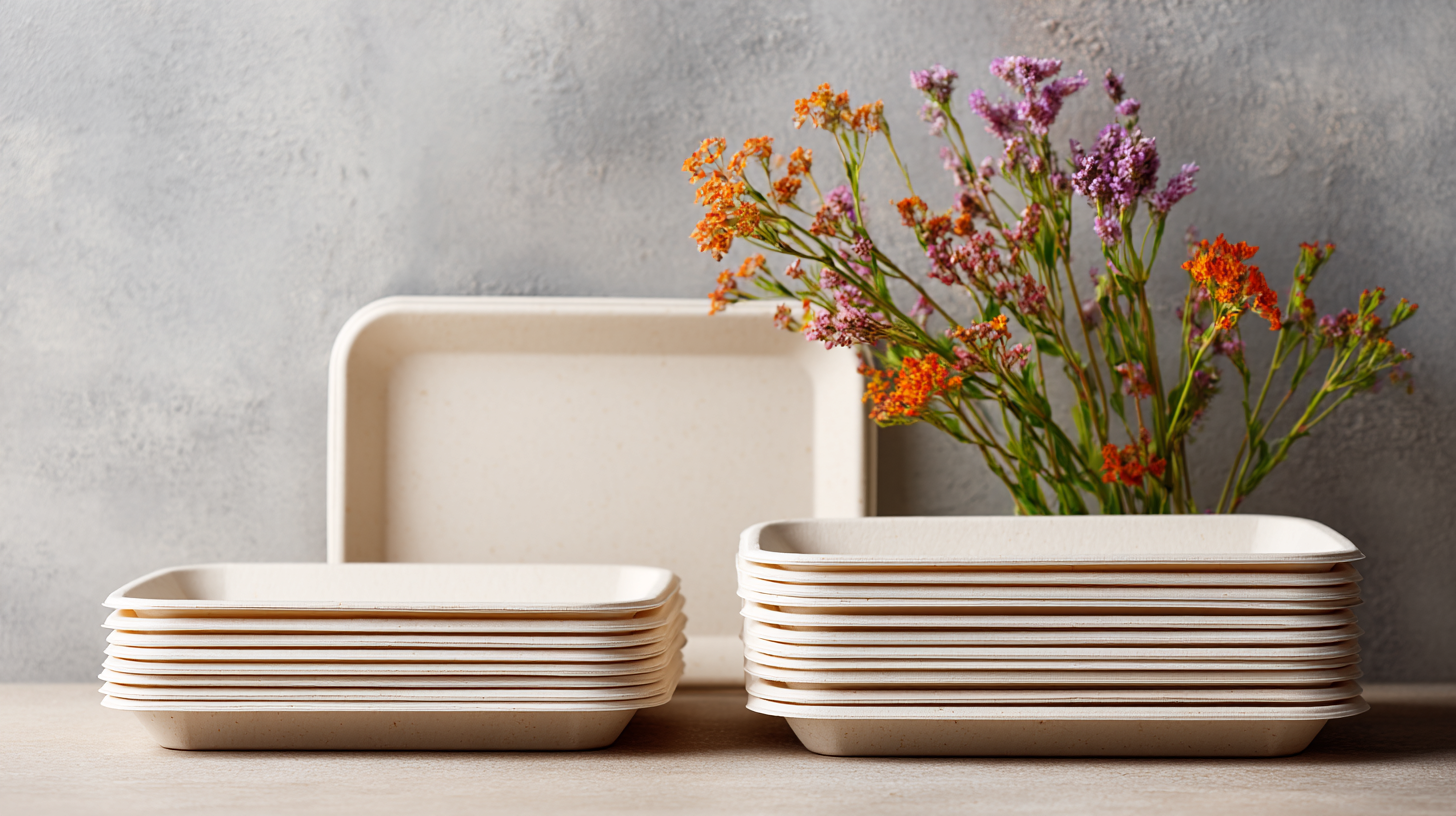
Consumer Awareness: Educating the Public on Sustainable Choices
You know, in our world today, being aware as a consumer really makes a difference, especially when it comes to how we eat. A lot of folks don’t realize that those traditional paper plates we often grab, even though they look like a good choice for the planet, can actually do more harm than good. It turns out that the process to make them contributes to deforestation and cranks up carbon emissions. Can you believe that according to a report from the Environmental Paper Network, the paper industry wipes out over a million acres of forests every year? That’s a massive deal for biodiversity and the carbon levels we’ve got floating around in the atmosphere. So, it’s super important to spread the word about sustainable alternatives if we want to shift our dining habits in a greener direction.
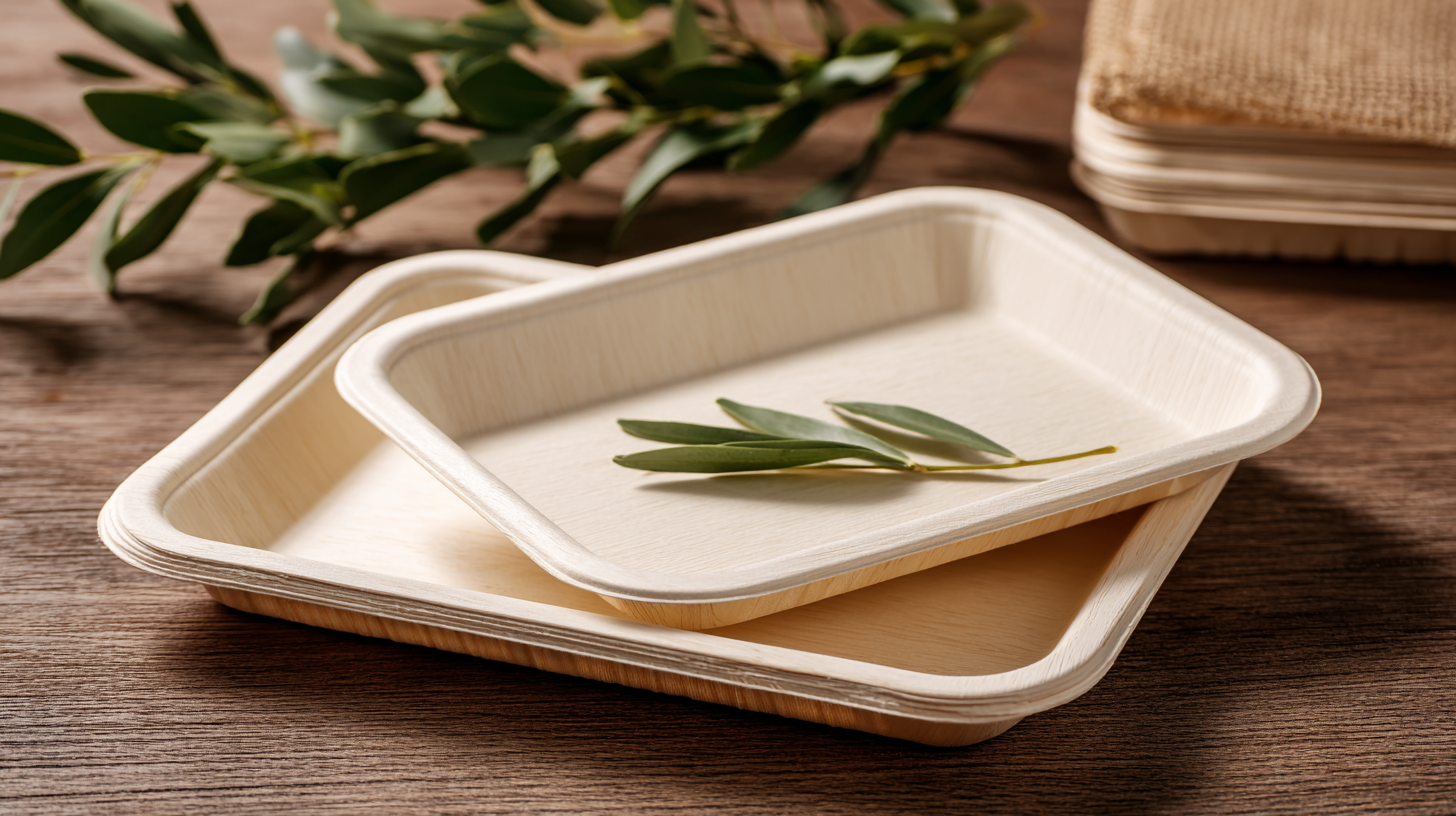
More and more people are catching on and switching to biodegradable options. Think plates made from stuff like sugarcane, palm leaves, or bamboo! It’s pretty cool to note that the Global Biodegradable Plates Market is expected to blow up to around USD 4 billion by 2027. That really shows how many of us are prioritizing sustainability these days. By emphasizing the good that comes with these alternatives—like less waste and a lighter carbon footprint—we really can help folks make choices that are better for our planet. We need more awareness campaigns and educational resources to guide everyone in making those eco-friendly swaps in their everyday lives. It’s all about fostering a culture of eating that’s kind to our environment.
Eco-Friendly Enjoyment: The Benefits of Using Disposable Corrugated Ripple Wall Paper Coffee Cups
Eco-Friendly Enjoyment: The Benefits of Using Disposable Corrugated Ripple Wall Paper Coffee Cups
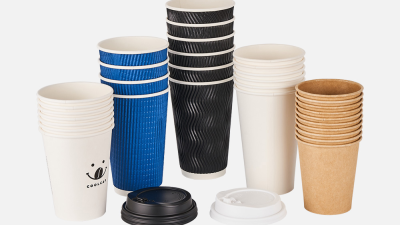
In today’s environmentally conscious market, consumers increasingly seek options that align with their sustainable values. Ripple Wall Paper Cups stand out as an eco-friendly choice, combining style with functionality. Crafted from high-quality paper materials, these cups are not only biodegradable and compostable but also feature a unique textured rippled design that adds elegance to any setting. According to the National Association of Environmental Professionals, the demand for biodegradable products has surged, with an expected growth rate of 10% annually in the next five years.
These versatile cups are designed for both hot and cold beverages, providing excellent insulation that keeps drinks at the desired temperature longer. The comfortable grip they offer addresses a common concern for consumers: the discomfort associated with holding hot beverages. A 2022 report by the Beverage Industry revealed that 68% of consumers prefer products that offer both ergonomic design and eco-friendly features, making Ripple Wall Paper Cups an ideal solution for cafes, restaurants, offices, and events. By opting for these stylish disposable cups, businesses can enhance their brand image while contributing to a healthier planet.
FAQS
: Eco-friendly dining refers to the practices and choices in the food industry that focus on sustainability, such as using biodegradable materials, responsible sourcing, and effective waste management.
It addresses growing concerns about environmental sustainability and the ecological footprint of the fast-food and quick service restaurant market, which is projected to see significant growth.
Eco-friendly plates made from materials like sugarcane and bamboo can significantly reduce plastic waste and promote responsible consumption, potentially cutting down waste by up to 50% compared to traditional options.
Common materials used include bamboo, palm leaves, compostable paper, and recycled fiber, which are biodegradable and break down more easily in the environment.
Chefs like Mauro Colagreco and Daniel Humm are leading efforts to create a greener food culture by using sustainable practices in their kitchens and inspiring others in the industry.
By choosing to support brands that produce eco-friendly dining products, consumers can participate in reducing their environmental impact and contribute to a more sustainable future.
Compostable materials can turn waste into nutrient-rich soil, supporting a circular economy and contributing to waste reduction efforts in the food industry.
Companies like Eco-Tableware, EarthChoice, and Bamboo Bio are leading the way in producing eco-friendly alternatives to traditional disposable tableware.
Eco-friendly products are often sturdier and break down more easily, offering functionality that rivals plastic options while being better for the environment.
It encourages a broader understanding of sustainability and pushes the industry toward adopting eco-friendly alternatives in all aspects of dining, promoting a more responsible and sustainable future.