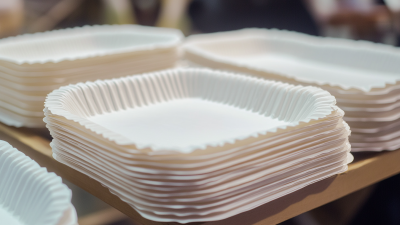
You know, in today’s fast-paced world, finding good quality Rectangular Paper Plates is super important for businesses. Everyone's trying to keep up with what customers want while also being eco-friendly. A recent report from Smithers Pira even tells us that the global paper plate market could hit a whopping $3.49 billion by 2025! That's a lot, right? It's all thanks to more and more folks opting for disposable products that are easy on the planet. One company that’s really leading the charge in this area is NINGBO VALUPAPER CO., LIMITED., which got its start back in 2011 as Ningbo Sure Paper. They’ve come a long way from just serving local printing businesses to now offering a huge variety of paper products that fit all sorts of needs. As people jump on the Rectangular Paper Plates bandwagon, finding trustworthy suppliers who care about quality and sustainability is becoming a must for any business wanting to succeed in this tough market.

Identifying Key Markets for Rectangular Paper Plates Production
So, when we’re diving into the key markets for making rectangular paper plates, we really need to consider both the up-and-coming areas and the ones that are already well-established. You know, North America and Europe have always been at the forefront, thanks to their focus on quality and innovation, along with some pretty impressive manufacturing tech and sustainable materials. But here’s the twist – we’re starting to see a shift towards the Asia-Pacific region. With more people there earning a little extra and a growing love for eco-friendly products, these markets are ramping up their production big time. Countries like India and China are stepping into the spotlight, not just because their labor costs are lower, but also because there's a larger crowd of consumers who care about convenience and sustainability.
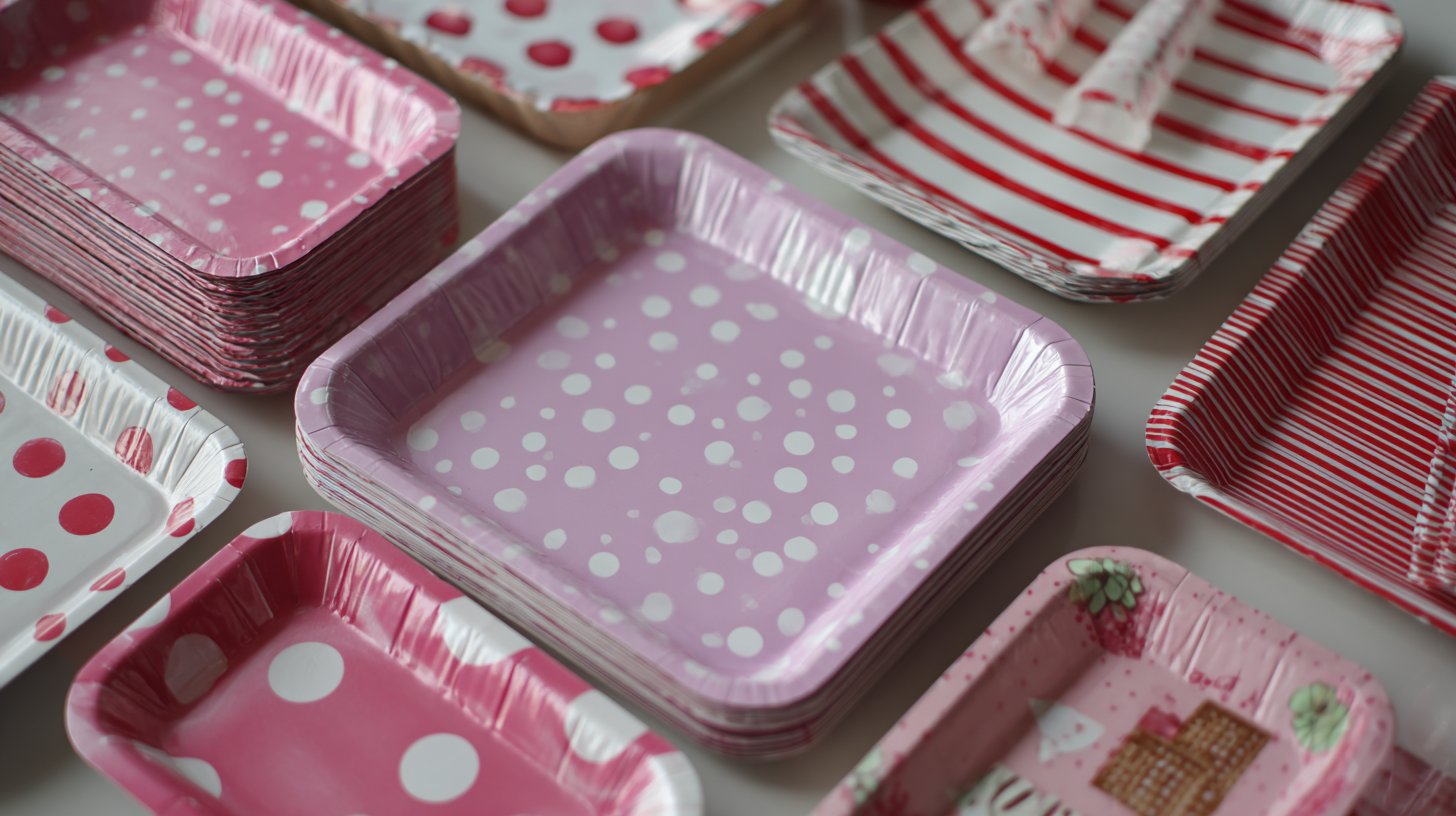
On top of that, it's super important to look at what people want and how they behave in these markets. Take outdoor events and food services, for example – they've really boosted the demand for rectangular paper plates. Plus, people are becoming more aware of environmental issues, which is pushing manufacturers to use biodegradable materials in their products. By tapping into these market trends, producers can fine-tune their sourcing strategies and really ride the wave of the global movement towards eco-friendly disposable options.
Evaluating Quality Standards and Certifications in Paper Plate Sourcing
So, when you're looking to buy those rectangular paper plates, it’s super important to check out the quality standards and certifications first. You definitely want to make sure that what you’re getting is not just safe but also works well for whatever you’re planning to use them for. Ideally, high-quality paper plates should meet international standards like ISO and ASTM. These standards are pretty much a stamp of approval for durability and overall usability in different scenarios. It’s a good idea to find suppliers that can show you proof of these standards. Not only does this ensure that the product is solid, but it also shows that the manufacturer really cares about quality.
On top of that, keep an eye out for certifications like FSC (Forest Stewardship Council) and BPI (Biodegradable Products Institute). These are key when you're considering how sustainable and eco-friendly those paper plates are. For starters, if a product has that FSC label, it means the materials were sourced responsibly, which is great because it comes from well-managed forests. And that BPI certification? It’s like a badge that says the plates are compostable, making them a better choice for the planet. By focusing on these quality standards and certifications while sourcing, you’re not just looking out for quality; you’re also showing customers that you care about sustainability too.

Comparing Cost-Effective Manufacturing Locations Globally
Alright, let’s talk about getting those rectangular paper plates. If you really want to keep your costs in check, it’s super important to grasp what’s happening in the global manufacturing scene. So, there’s this report from Mordor Intelligence in 2021 that says the global market for paper plates could jump from about 4 billion bucks in 2020 to more than 6 billion by 2025 – that's a hefty growth rate of around 8.5%! A lot of this bump is coming from folks wanting more eco-friendly disposable products. If companies want to ride this wave, finding affordable places to manufacture is key.
When it comes to making paper plates, Asia, and especially China and India, are still leading the pack. Statista has some interesting numbers that show China made up roughly 30% of the entire world's production in 2022. Why, you ask? Well, it's got a solid supply chain and cheaper labor costs. But wait, there’s more! Emerging markets in Southeast Asia are also stepping up their game. Take Vietnam, for example – its paper manufacturing industry is growing at about 15% a year, which makes it a pretty appealing option for companies wanting to shake things up and manage their costs. So, yeah, checking out these more affordable regions is gonna be really important for businesses that want to stay ahead in the fast-changing world of disposable products.
Leveraging Sustainable Practices in Paper Plate Production
You know, these days, sustainability is really at the top of everyone's mind, especially when it comes to what we buy. So it's pretty cool to see that the production of those rectangular paper plates has changed quite a bit to be more eco-friendly. Not only does this help our planet, but it also makes brands look better in the eyes of consumers. One smart move for sourcing these plates is to team up with manufacturers who really care about using recyclable and compostable materials. By checking out suppliers based on the sustainable materials they use—like bamboo, sugarcane, and recycled paper—businesses can play their part in making the world a bit greener.
On top of that, actually using energy-efficient processes during production is super important for shrinking that carbon footprint associated with making paper plates. Manufacturers who are pouring resources into renewable energy and waste reduction are really stepping up to cut down their environmental impact. Oh, and doing regular audits of the supply chain? That's a great way for companies to spot areas where they can boost their sustainability efforts. By weaving these practices into their day-to-day, businesses can source some top-notch rectangular paper plates while also showcasing a commitment to being eco-friendly that really resonates with consumers who care about the planet.
Top Strategies for Sourcing the Best Rectangular Paper Plates Worldwide
Utilizing Online Platforms for Supplier Discovery and Engagement
You know, in today's global market, finding trustworthy suppliers for those rectangular paper plates isn't just about browsing around – it really takes a smart strategy, especially when you're using online platforms. I mean, these digital tools not only make the whole sourcing thing way easier, but they also connect you with tons of manufacturers and wholesalers from all over the world. Places like Alibaba, Global Sources, and ThomasNet have these amazing databases where businesses can compare products, read reviews, and even chat directly with suppliers. By tapping into these platforms, you'll unlock a whole bunch of options, which is super helpful for finding the best quality plates that actually fit your needs.
Another important piece is getting engaged in the online sourcing game. When you reach out to potential suppliers, you're not just checking out prices or product specs; you also get to see how responsive and professional they are. Using chat features, video calls, and virtual meetings can really amp up communication and help build trust between you and the manufacturers. Plus, a lot of these platforms come with buyer protection and trade assurance features, which totally make for a safer transaction experience. Taking this proactive stance helps businesses create strong partnerships that aren't just about quick transactions, but about building lasting relationships and successful supply chains.
Top Strategies for Sourcing the Best Rectangular Paper Plates Worldwide - Utilizing Online Platforms for Supplier Discovery and Engagement
| Region | Online Platform | Average Price per 100 Plates | MOQ (Minimum Order Quantity) | Lead Time (Days) |
| North America | Alibaba | $25 | 500 | 20 |
| Europe | Global Sources | €30 | 400 | 15 |
| Asia | Made-in-China | ¥200 | 1000 | 30 |
| South America | DHgate | $28 | 600 | 25 |
| Africa | TradeIndia | $35 | 300 | 18 |
Understanding Customer Preferences in Rectangular Paper Plate Design
Alright, so when we're talking about designing rectangular paper plates, it’s all about really getting what the customers want to keep up with what’s hot in the market. Nowadays, folks are super into finding eco-friendly options that reflect their values. This means suppliers really need to be on the ball when it comes to sourcing materials that are either biodegradable or made from recycled stuff. But it’s not just about being kind to the planet; people also care a lot about durability and functionality. If a plate can hold up against grease and moisture without falling apart, it's definitely going to grab attention—especially for things like outdoor events or catering gigs.
And don’t forget about how things look! The aesthetic vibe is huge when it comes to customer choices. Fun color schemes, cool patterns, and classy designs can really jazz up the dining experience and make food presentation pop. Suppliers should think about offering a bunch of customizable options to fit different themes and occasions, whether it’s a laid-back picnic or a fancy gathering. By focusing on these aspects, businesses can really tune in to what customers expect, which can lead to happier customers and better brand loyalty in this competitive scene of rectangular paper plates.
FAQS
: Evaluating quality standards and certifications is crucial to ensure that paper plates meet safety and performance expectations and comply with international standards like ISO and ASTM.
Key certifications include FSC (Forest Stewardship Council) for responsible sourcing and BPI (Biodegradable Products Institute) for compostability, which indicate the sustainability and environmental impact of the products.
Companies should seek suppliers who can provide documented evidence of compliance with relevant quality standards, assuring the product's integrity and the manufacturer's commitment to quality.
Online platforms streamline the sourcing process by providing access to a vast network of manufacturers and wholesalers, enabling businesses to compare products, read reviews, and interact with suppliers.
Businesses can effectively engage suppliers by actively reaching out for inquiries about pricing and product specifications and using chat features or video calls to assess responsiveness and professionalism.
Beyond supplier discovery, online platforms often provide buyer protection and trade assurance, ensuring a safer transaction experience and fostering lasting relationships with suppliers.