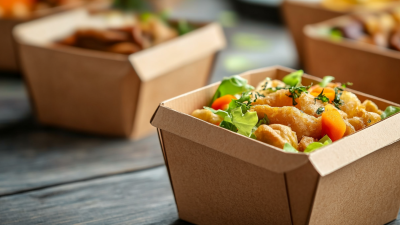
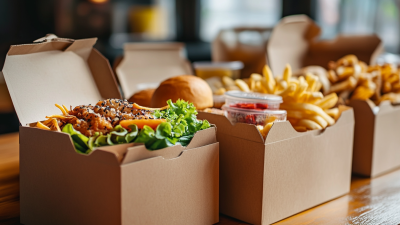
You know, over the last few years, we've really seen a big jump in the demand for disposable food containers. It's all about how people's habits are shifting, and there’s definitely more focus on convenience and hygiene when it comes to food service. I came across a report by Grand View Research that mentions the global market for disposable food containers could hit around USD 85.1 billion by 2025! A lot of that growth is linked to some pretty cool innovations in sustainable materials and design. So, as businesses are out there looking for dependable suppliers, the choice of who to partner with becomes super important. Enter NINGBO VALUPAPER CO., LIMITED. Since 2011, they’ve made a name for themselves in the game by offering high-quality and innovative paper products. Their commitment to excellence really shows how they’re keeping up with the trends, making sure their clients get both reliability and top-notch solutions. Pretty impressive, right?
Emerging Trends in Disposable Food Packaging for Sustainability in 2025
You know, as we get closer to 2025, it's pretty clear that the push for sustainabilityin disposable Food Packaging is really picking up steam. Reports are saying the global market forbiodegradable food packaging could hit a whopping $36.2 billion by then! And that's mainly because more and more people are becoming aware of environmental issues. This demand is definitely nudging suppliers to think outside the box, using stuff like plant-based biopolymers and recycled plastics that do wonders for cutting down landfill waste.
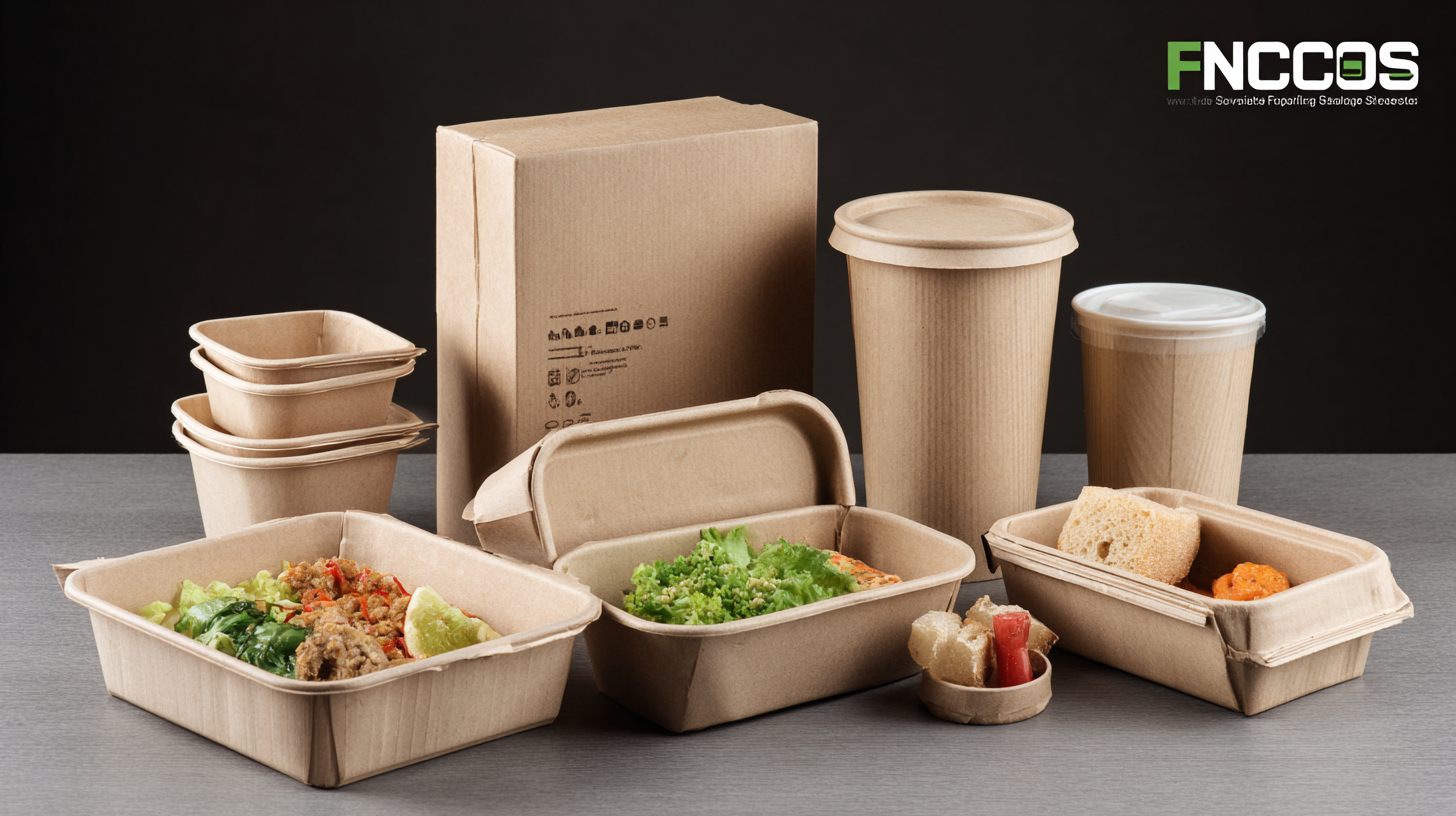
And let's not forget about compostable containers – they're a big deal right now and show just how much the food service industry is committed to going green. A study by Smithers Pira even suggests that the market for compostable food packaging will grow by about 15.5% every year for the next five years! These products not only tick the boxes for regulations but also really connect with eco-conscious customers, building that brand loyalty that everyone’s after. Looking ahead, it’s super important for businesses to hop on board with these packaging solutions if they want to keep up with sustainability goals.
Innovations in Materials: Eco-Friendly Options for Disposable Food Containers
Hey there! So, have you noticed that in the last few years, everyone seems to be talking about eco-friendly disposable food containers? It's like, all of a sudden, consumers really care about sustainability! A recent report from Mordor Intelligence predicts that the global market for biodegradable food containers is going to grow by about 12.4% from 2021 to 2026. Pretty impressive, right? This boost is mainly because of tougher regulations on plastic and more people becoming aware of environmental issues. Suppliers are getting creative, using materials like PLA (that's polylactic acid), recycled paper, and even bamboo to keep up with what folks want, all while making sure the products stay functional and affordable.
Quick tip: When you’re on the lookout for a supplier, try to pick ones that use certified compostable materials. It’s a great way to not only stick to sustainable practices but also attract those eco-friendly consumers.
Another exciting trend in the world of disposable food containers is the whole tech angle. We're seeing things like smart packaging that can actually boost food safety and shelf life. A report from Research and Markets says smart packaging might totally change the food industry by giving real-time info about food quality. Can you imagine how much food waste we could cut down on? Plus, it makes the whole consumer experience just a bit better!
Another tip: Keep an eye out for suppliers who are really into research and development when it comes to sustainable practices. They're more likely to provide the latest and greatest eco-friendly materials out there.
As we roll towards 2025, it’s pretty clear that businesses need to jump on these trends if they want to stay competitive in the food packaging scene.
Assessing Supplier Reliability: Key Factors for Long-Term Partnerships
When it comes to picking the best suppliers for disposable food containers, making sure they're reliable is super important if you want to build long-lasting partnerships. I came across a recent survey that said trust and shared values really form the backbone of supplier relationships. It turns out, about 70% of business execs believe that open communication can really boost collaboration. With more people looking for sustainable packaging these days, suppliers who make social and environmental sustainability a priority are definitely more likely to thrive. Actually, a literature review pointed out that solid social sustainability practices can help ease any friction in multi-tier supply chains, which just shows how critical it is to have a smart strategy when dealing with complicated partnerships.
Plus, there’s a bit of buzz around the need for manufacturers to step up their game in terms of digital and data capabilities. According to the 2025 Manufacturing Industry Outlook, businesses that jump on the digital transformation bandwagon can really improve their efficiency and spark some innovation—especially when it comes to disposable food containers. By nurturing long-term relationships with suppliers who are all about continuous improvement and tech upgrades, companies can create a more resilient supply chain and fine-tune their operations. As things keep changing in the market, it’ll be vital to choose suppliers who not only recognize these shifts but can also adapt to them for future success.
Market Insights: Consumer Preferences Driving Changes in Food Container Design
Looking ahead to 2025, it’s clear that the world of disposable food containers is really changing thanks to how people shop these days. More and more, consumers are becoming eco-friendly and choosing materials that are sustainable, aiming to lower their impact on the planet. You know, things like biodegradable and compostable containers are really catching on, which is pushing suppliers to rethink what they offer. This isn’t just a trend about cutting down on waste; it’s also about wanting more transparency and knowing where materials come from.
Plus, let’s not forget that convenience is still a big deal for shoppers. Features like containers that stack well, can handle the microwave, and don’t leak are becoming essential for those of us with busy schedules. Suppliers who focus on these practical aspects while also adding a bit of style and ease to their designs are definitely going to shine in what is a pretty crowded market. With the rise of meal kit delivery services, consumer expectations are shifting even more, which means suppliers need to keep innovating to meet the ever-changing needs of today’s buyers.
Global Manufacturing Standards: Ensuring Quality in Exported Disposable Products
You know, the market for disposable food containers is changing really fast, and we can't ignore how crucial global manufacturing standards are these days. With more and more people becoming aware of their choices and worrying about sustainability, it’s clear that suppliers really need to stick to strict quality assurance protocols to keep up with what folks want—both locally and internationally. These standards do more than just ensure that products are safe and work well; they also help build trust with customers who care deeply about health and the planet.
And let’s not forget about how new materials and production methods are shaking things up in the industry. Suppliers that are putting their money into advanced manufacturing techniques and eco-friendly options are not just following the rules—they’re also stepping up as leaders in providing sustainable solutions. Getting certifications from respected organizations really helps to prove that they’re on point, meeting tough criteria for safety, hygiene, and protecting the environment. As the demand for quality grows, businesses that align with these global standards are likely to come out on top in 2025 and beyond.
Trends in Disposable Food Container Materials and Usage (2023-2025)
Technological Advancements: Smart Features in Disposable Food Containers
You know, as more and more people are looking for disposable food containers, suppliers are really stepping up their game to give us what we want—convenience, sustainability, and functionality. Honestly, one of the coolest trends I see shaping the market in 2025 is how smart tech is being integrated into these containers. They’re not just boxes to hold food anymore; they’re evolving in some pretty exciting ways that make them way more user-friendly.
Take, for example, the new containers that have temperature sensors built-in. They alert you when your food is at that perfect serving temperature, which, let's be real, can totally elevate your dining experience. And a lot of them even have QR codes you can scan for nutritional info or recycling tips—how neat is that? This not only makes life easier for us but also encourages folks to be more responsible consumers, which is definitely a win-win.
Plus, it’s great to see that companies are really paying attention to eco-friendliness. Many are experimenting with materials that are not only disposable but also biodegradable, all while packing in smart tech. Innovations like this tackle urgent environmental issues while also satisfying what today’s consumers are looking for. Those who jump on these trends are totally going to lead the pack in the industry. So, as we head toward 2025, the combo of technology and sustainability in disposable food containers is set to really shake things up in a big way.
Elevate Your Serving Game: The Ultimate Guide to Using White Paper Bowl Disposable Food Bowls for Every Occasion
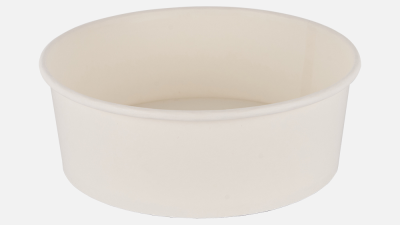
When it comes to hosting gatherings or simply enjoying a meal, upgrading your serving game is crucial. The versatility of white paper bowl disposable food bowls makes them an excellent choice for various occasions. Whether serving salad, a hearty meal, or warm soup, these bowls not only enhance your meal presentation but also cater to the increasing demand for eco-friendly dining options. According to a 2021 industry report, the global market for disposable food containers is projected to reach $17.58 billion by 2026, highlighting the growing trend of convenience without compromising on sustainability.
These white paper bowls are not only convenient but also kind to the environment. Made from compostable materials, they serve as a sustainable alternative to traditional plastic bowls. As the food service industry moves towards more eco-conscious practices, choosing products that are both durable and biodegradable is essential. With properties that make them safe for refrigeration, microwaving, and even oven use, they're perfect for everything from takeout meals to picnics and major events. Their soft yet flexible structure provides the reliability that consumers expect while reducing environmental impact.
What sets these bowls apart from competitors is their ph-neutral and acid-free composition, which ensures that your food retains its flavor without any chemical leaching. They are particularly popular among restaurants and catering services looking for high-quality disposable options. This versatility and commitment to environmental responsibility make white paper bowls a top choice for dining options that look great and feel great to use.
FAQS
: Assessing supplier reliability is crucial as it fosters trust and alignment of values, which are foundational for successful long-term collaborations.
Transparent communication significantly enhances collaboration, with 70% of business executives noting its importance in strengthening supplier relationships.
Suppliers that prioritize social and environmental sustainability are more likely to succeed, as demand for sustainable packaging continues to grow.
Effective social sustainability practices can mitigate tensions within multi-tier supply chains, highlighting the need for a strategic approach to complex partnerships.
Manufacturers are advised to invest in their digital and data capabilities to enhance efficiency and innovation within their operations.
By fostering long-term relationships with suppliers committed to continuous improvement and technological advancements, businesses can build resilience and optimize operations.
Global manufacturing standards ensure product safety and functionality, instilling consumer trust, especially in a market increasingly focused on health and environmental impact.
Innovations in materials and production processes are reshaping the industry, with suppliers that invest in advanced manufacturing techniques and eco-friendly materials gaining a competitive edge.
Certifications help verify compliance with stringent safety, hygiene, and environmental protection criteria, positioning suppliers favorably in competitive markets.
Businesses that align their operations with global standards are likely to thrive in 2025 and beyond as quality demands continue to intensify.