Leave Your Message
Lately, the Food Packaging industry has really been changing gears towards more sustainable practices. It’s pretty cool to see this shift, especially with eco-friendly materials taking the spotlight, like those Cardboard Food Packaging Boxes. A recent report from Smithers Pira even says that by 2028, the demand for sustainable packaging could hit a whopping $400 billion! That’s mainly because consumers are becoming more aware and regulations are stepping up. So, companies are on the hunt for creative solutions that keep them in line with environmentally friendly standards. And let’s face it, cardboard food packaging checks all the right boxes—it keeps moisture and contaminants out while being biodegradable, which definitely speaks to those of us who care about Mother Earth.
Over here at NINGBO VALUPAPER CO., LIMITED, we totally get how crucial high-quality paper products are in this whole sustainable packaging game. Ever since we started up in 2011, we’ve dedicated ourselves to helping a variety of businesses, especially in the food sector. We’re proud to offer a wide range of Cardboard Food Packaging Boxes to help our partners make the switch to greener options. It’s all about boosting their competitiveness while doing our part for a more sustainable future. As more consumers make sustainability a top priority when shopping, businesses really need to jump on the packaging innovation train to cut down their environmental footprint and build a loyal customer base.
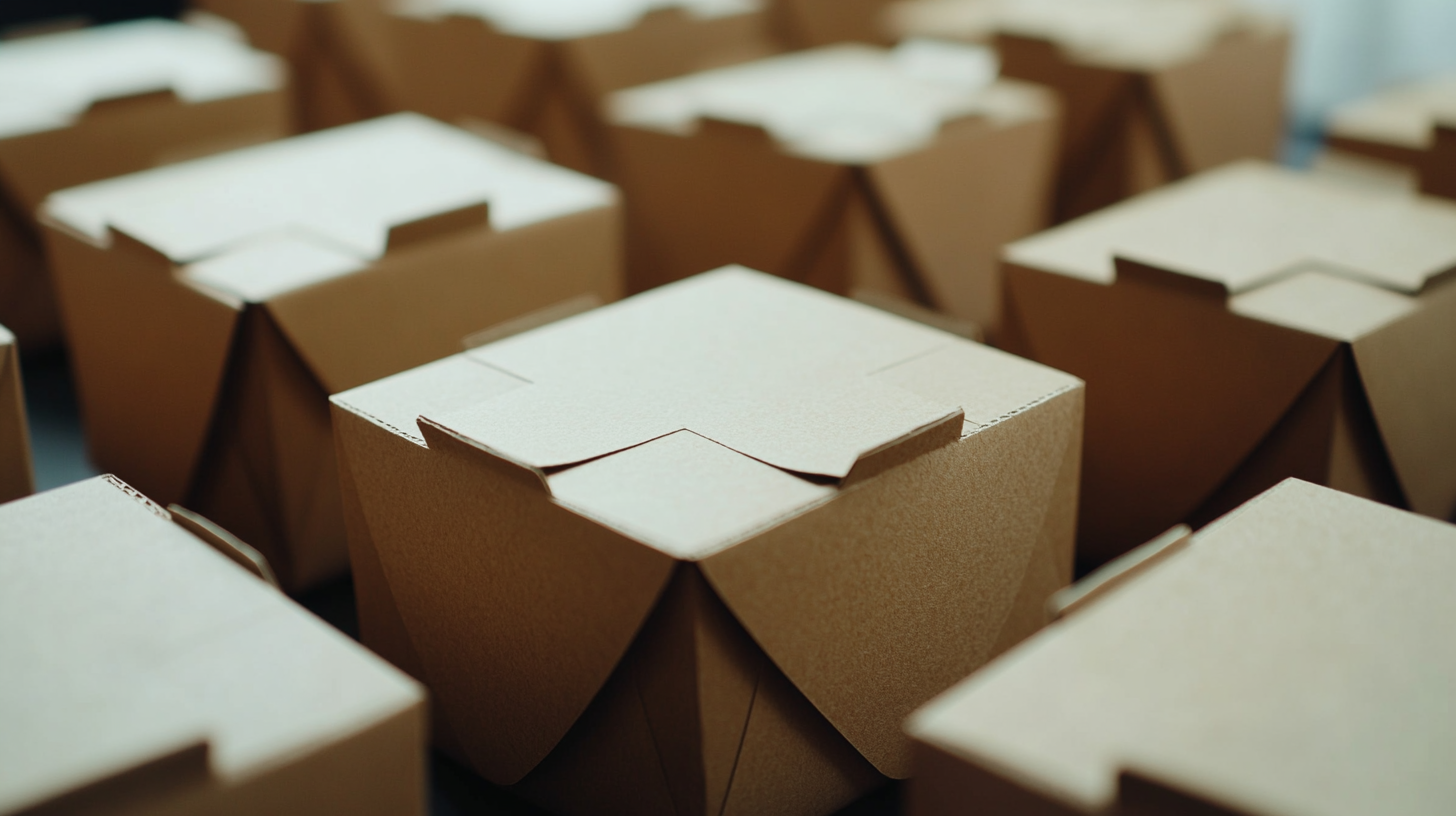
Sustainable packaging is really becoming a hot topic in the food world, and it’s all thanks to more consumers being aware of what they buy and some pretty tight regulations. A recent report from Smithers Pira even says that the global market for sustainable food packaging could hit a whopping $400 billion by 2027! That’s a huge shift towards greener materials. It’s not just about what consumers want either—businesses are feeling the pressure to comply with environmental regulations and meet their social responsibility goals too. When you think about it, cardboard food packaging boxes are shining stars in this movement. They’re made from renewable resources and super easy to recycle, which really helps cut down on the environmental impact. In fact, the Ellen MacArthur Foundation points out that switching to circular packaging could save the global economy up to $1.2 trillion by 2030. So it’s no wonder that companies are hopping on the cardboard bandwagon; it not only boosts their green credentials but also draws in customers who care about eco-friendly practices. Plus, get this: about 74% of consumers are willing to pay a little extra for sustainable packaging. That really shows how much potential there is for businesses that embrace cardboard solutions. Brands can stand out by showing they’re committed to sustainability. For food businesses looking to stick around for the long haul, investing in cardboard packaging isn't just a passing trend; it’s a smart move to stay resilient and competitive in a market that’s always changing.
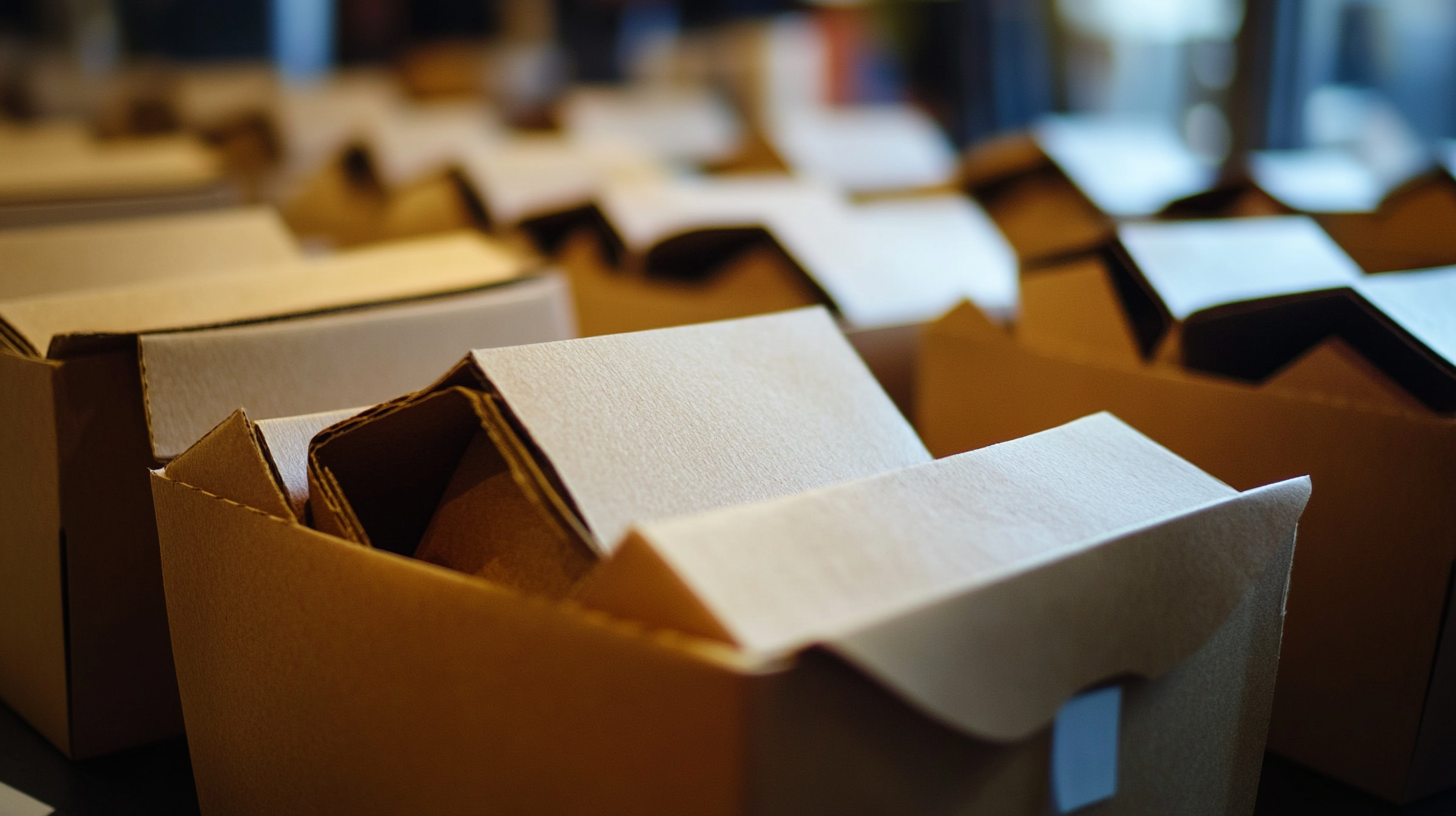
You know, cardboard food packaging boxes have really started to grab attention in the last few years. It seems like every business is on a mission to be more sustainable these days. But it’s not just about being green; these eco-friendly packaging options have a bunch of perks! For one, they help boost a brand’s image, cut down on costs, and make customers happier. By using biodegradable materials, companies can shrink their ecological footprint while also attracting a growing number of shoppers who care about sustainability when they're spending their cash.
One of the coolest things about cardboard food packaging boxes is how versatile they are. Seriously, they come in all shapes and sizes, which means they’re perfect for everything from takeout to baked goodies. Businesses can really get creative with this! Not only do these boxes keep food fresh and safe, but they also present a great opportunity for some fun branding and marketing. Eye-catching designs on cardboard boxes can really grab people's attention and pull them in, which is always great for sales.
On top of that, cardboard packaging is super lightweight and easy to handle, which means shipping and storage costs can take a nosedive. As businesses look for ways to streamline their operations, switching to cardboard packaging can make logistics way simpler without cutting corners on quality. Oh, and let’s not forget, a lot of manufacturers are now rolling out recycled cardboard options, which really takes the sustainability of these packaging solutions up a notch. Embracing cardboard food packaging is like a smart, practical step towards business sustainability while also meeting the growing demand for responsible packaging from consumers.

You know, the food packaging world is really stepping up its game when it comes to sustainability, all while keeping safety in mind. And guess what? Cardboard packaging boxes are really leading the charge! These new and creative designs in cardboard don’t just tackle environmental issues; they wrap up food products with serious protection, too. According to a report from Smithers Pira, we can expect the global cardboard packaging market to grow at a rate of about 3.6% each year, hitting around USD 300 billion by 2027. That definitely shows how the industry is starting to see cardboard as a solid choice for going green.
One of the coolest advancements in this cardboard food packaging scene is the way smart designs are popping up to boost food safety. Things like moisture-resistant coatings and those tamper-evident closures are becoming pretty much standard now, which really helps keep food products safe all the way through their journey. Plus, more and more food manufacturers are jumping on the biodegradable barrier bandwagon, which not only helps them follow safety regulations but also cuts down on their environmental footprint. A recent study found that nearly 70% of consumers prefer packaging that keeps things fresh and is eco-friendly, so it’s crucial for brands to get creative with their packaging!
This movement towards slick designs in cardboard packaging is not just ticking the boxes for safety but also letting brands shine as sustainability leaders. By using cutting-edge printing tech and eco-friendly inks, companies can show off their dedication to health and the planet right on their packaging. This blend of safety and sustainability is a win-win, helping brands build stronger loyalty and tap into new markets, especially as more consumers look for products that resonate with their values.

You know, when it comes to packaging food, picking between cardboard and plastic isn’t just about what's easier or cheaper. It’s a big deal for the environment and for businesses too. Cardboard is made from renewable stuff, so it’s a biodegradable option, unlike plastic. It breaks down on its own over time, which is great for keeping our planet in better shape and helps companies hit those eco-friendly goals we hear so much about. With so many folks looking for sustainable choices these days, brands that go for cardboard can really connect with eco-conscious customers and boost their image, you know?
Now, on the flip side, plastic might have its perks—like being really tough and keeping moisture out—but let’s be real, it’s got some serious problems when it comes to pollution and waste. Single-use plastics are piling up in landfills and messing up our oceans, which is making a lot of businesses rethink their packaging options. Sure, plastic might win on the durability and convenience front, but cardboard is definitely a smarter choice for brands that want to hop on the eco-friendly bandwagon.
Plus, you won’t believe how far cardboard tech has come! There are now moisture-resistant and super-strong cardboard designs that can stand up to traditional plastic. A lot of businesses are starting to dive into custom cardboard solutions that not only make the unboxing experience a bit more special but also really help their brand shine in the green market. By taking a good look at both options, companies can make smart choices that keep sustainability at the forefront, all while still being functional and appealing to customers.
Making the switch to cardboard packaging for your business isn't just about keeping up with the sustainability trend; it's also what your customers are clamoring for these days! A report from Smithers Pira even says that the global market for sustainable packaging is on track to hit a whopping $503 billion by 2024. People really want eco-friendly options that help cut back on environmental damage. And let me tell you, cardboard packaging shines in this area—it’s super recyclable and biodegradable, making it a smart choice for any business wanting to boost its green credentials.
So, where do you start with this transition? Well, the first step is to take a good look at how you're currently packaging your products and see where cardboard can step in and take the place of less eco-friendly choices. Research from the Paper and Paperboard Packaging Environmental Council (PPEC) shows that switching to cardboard can slash carbon emissions by up to 30% compared to plastic. Not only does this move support environmental goals, but it can also save you some cash in the long run since buying in bulk often makes cardboard cheaper than plastic.
Next up, you’ll want to dive into the different types of cardboard packaging out there, like corrugated boxes, cartons, and molded fiber. Cardboard is super versatile, so you can get creative with your designs without compromising on protecting your products. Fun fact: a study by the World Packaging Organization found that 70% of consumers prefer packaging that’s easy to recycle, which is great news for cardboard. Plus, chatting with suppliers who know the ins and outs of sustainable packaging can give you some valuable insights and help streamline your transition. You’ll not only be making a positive impact, but you’ll also be reaping the benefits of switching to cardboard packaging.
You know, the boom in cardboard food packaging has really got a lot of innovative brands stepping up their game and embracing sustainable practices that speak to consumers who care about the environment. If we look at a bunch of case studies, it’s pretty clear how these companies have woven cardboard boxes into their operations, paving the way for a greener future. They’re moving away from the usual plastic packaging, pushing towards these biodegradable cardboard alternatives and showing they really mean business when it comes to protecting our planet and cutting down on waste.
Take this one brand, for example—they totally overhauled their entire packaging setup! They went with these custom-made cardboard boxes that not only keep the food safe but also look really great. With some stunning designs and using natural materials, they’ve managed to pull in a broader audience while shrinking their carbon footprint significantly. This shift isn’t just about keeping up with regulations; it’s also about tapping into a market that’s all about sustainability these days.
Then there’s that food delivery service that ditched plastic containers in favor of eco-friendly cardboard boxes—talk about a game-changer! They also kicked off a solid recycling program, encouraging their customers to send back the used packaging for reuse. Not only does this build customer loyalty, but it also contributes to this cool circular economy where materials get used over and over again, which is a win-win for both the planet and their profits!
You know, it’s pretty amazing how much cardboard food packaging has changed lately. With more and more people looking for sustainable ways to do business, it’s clear that eco-friendly practices are taking the spotlight. Nowadays, cardboard packaging is the go-to choice for tons of companies that want to lessen their impact on the planet. It’s not just about being green; it also really helps polish their brand image, which is a win-win!
One of the coolest things happening in this cardboard box world is the focus on using recycled materials. A lot of manufacturers are making it a point to use post-consumer waste, which means their packaging is actually helping to support a circular economy. This strategy cuts down on the need for new resources and also sends less junk to the landfill. And here’s another neat thing: many of these modern production processes are using water-based inks and adhesives, which are way better for the environment than the old-school options. This means not only do consumers get safer packaging, but we also see a reduction in the carbon footprint from production.
On top of all that, companies are really stepping up their game by using energy-efficient machines and renewable energy sources like solar and wind. This move doesn’t just save a bunch of energy; it also aligns nicely with the worldwide push to tackle climate change. By embracing these eco-friendly practices, businesses can meet those growing consumer demands for sustainable products and position themselves as leaders in the industry, all while doing their part to protect our planet. Looking ahead, it’s clear that incorporating innovative, sustainable practices in cardboard food packaging is going to play a big role in shaping the future of the food industry. Isn’t that exciting?
With the world buzzing about sustainability more than ever, cardboard food packaging is really stepping into the spotlight, especially for businesses that are ahead of the game. It’s pretty amazing how innovative cardboard designs have changed the way we package food—now we’ve got eco-friendly options that are also super functional. Cardboard is just so versatile. It lets businesses whip up customized packaging that not only breaks down easily but also looks great, catering to all kinds of food products and what customers want in terms of aesthetics.
Looking ahead, it seems we’re heading towards even more sustainable practices. You might see things like plant-based coatings being integrated into cardboard packaging, which would just take recyclability up a notch. For businesses trying to reduce their environmental impact while keeping up with regulations, these advancements are crucial. Oh, and have you noticed how smart technology is making its way into packaging? Things like QR codes that share info about sourcing and sustainability are becoming a big deal, especially for consumers who really care about transparency and ethical practices these days.
Plus, there’s this great synergy happening between packaging designers and eco-conscious brands that’s pushing innovation forward. Lots of businesses that have jumped on the cardboard packaging bandwagon are seeing not just a boost in brand loyalty but also a nice drop in costs compared to using traditional packaging materials. As the food industry keeps evolving, cardboard packaging is definitely going to be a key player in shaping a more sustainable future. If you’re in the food business and aiming for growth in an eco-conscious market, you’ve got to think seriously about making the switch to cardboard packaging.
Sustainable packaging is crucial due to increasing consumer awareness and stringent regulations, leading to a significant shift towards eco-friendly materials that align with environmental compliance and corporate social responsibility.
The global sustainable food packaging market is expected to reach $400 billion by 2027, indicating a major transition toward greener packaging solutions.
Cardboard packaging is made from renewable resources, is easily recyclable, and helps reduce the overall environmental footprint, making it a commendable choice for sustainable practices.
Transitioning to circular packaging solutions could potentially save the global economy up to $1.2 trillion by 2030, highlighting the financial benefits of sustainable practices.
Yes, studies show that 74% of consumers are willing to pay a premium for sustainable packaging, reflecting a strong market demand for eco-friendly options.
Brands that adopt cardboard packaging can stand out by demonstrating their commitment to sustainability, thus attracting environmentally conscious consumers and improving their market competitiveness.
Various brands have shifted from traditional plastic to biodegradable cardboard, attracting customers with eye-catching designs while reducing their carbon footprint and meeting regulatory standards.
A food delivery service replaced plastic containers with eco-friendly cardboard boxes and implemented a recycling program, encouraging customers to return used packaging, contributing to waste reduction and a circular economy.
Custom-designed cardboard boxes can enhance product appeal and attract a wider customer base while serving the dual purpose of protecting the food and supporting sustainability goals.
Investing in cardboard packaging helps food businesses ensure long-term viability, resilience, and competitiveness in an evolving market that increasingly prioritizes sustainability.