Leave Your Message
Let’s be real—when it comes to the global market, good Food Packaging really matters. It’s like the first impression your product makes! Food Packaging Boxes do an awesome job of connecting producers with consumers. They not only help make sure that products arrive in one piece, but they also showcase what’s inside in a way that catches people’s eyes. Here at NINGBO VALUPAPER CO., LIMITED, which we kicked off back in 2011, we totally get how important these boxes are for the food industry. We started our journey in Ningbo, supplying top-notch paper products to local printers, and over time, we’ve grown our skills to offer specialized packaging solutions tailored to our clients’ needs. In this blog, I'm excited to dive into seven must-have features that global buyers should keep in mind when picking Food Packaging Boxes. These tips will help your products pop while also making sure they’re top quality and compliant—because at the end of the day, it’s all about keeping customers happy and building brand loyalty.
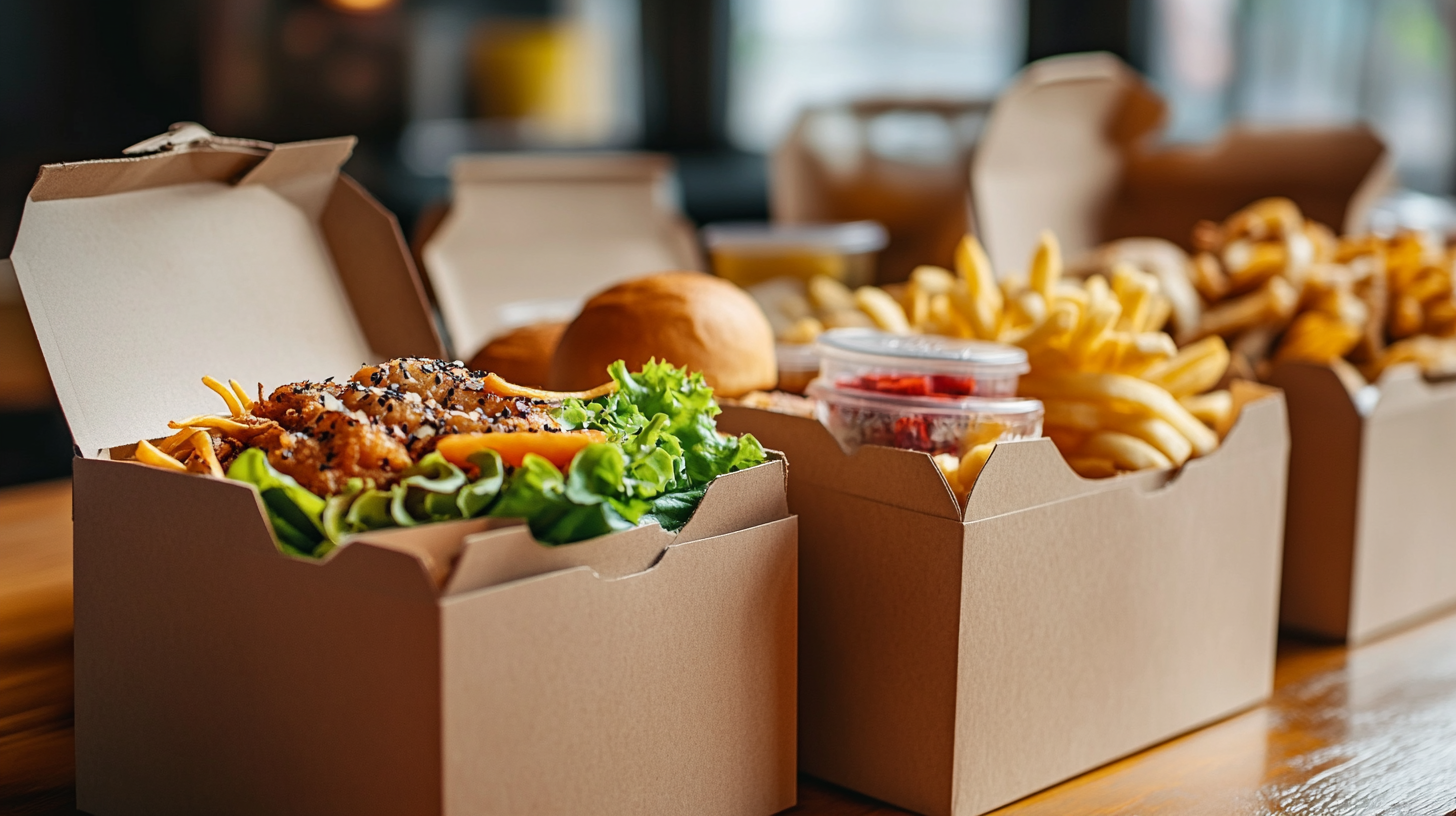
You know, the way food packaging boxes are designed really matters when it comes to catching the eye of consumers around the globe. A big part of that is using bright, lively colors that just make your mouth water and get you feeling all excited. Think about colors like red and yellow—they're often linked with food and can really trigger those impulse buys, right? Picking the right color scheme isn’t just about looking good, though; it also needs to connect with the product itself and fit in with what people like in different cultures. That way, it appeals to a wider audience.
And let’s not forget about labels—they’re super important for folks shopping internationally. Labels should really spotlight what makes the product special, whether it’s organic ingredients or health perks, and tuning into language differences is key. Plus, having some eye-catching visuals, like delicious images of the food or cool icons showing its benefits, can really get the message across in a snap. Oh! And these days, consumers are all about sustainability, so choosing eco-friendly packaging is becoming a must-have in the world of food packaging. By blending good looks with practical info, brands can whip up packaging that doesn’t just catch your eye on the shelf but also vibes with what health-conscious and eco-minded shoppers care about.
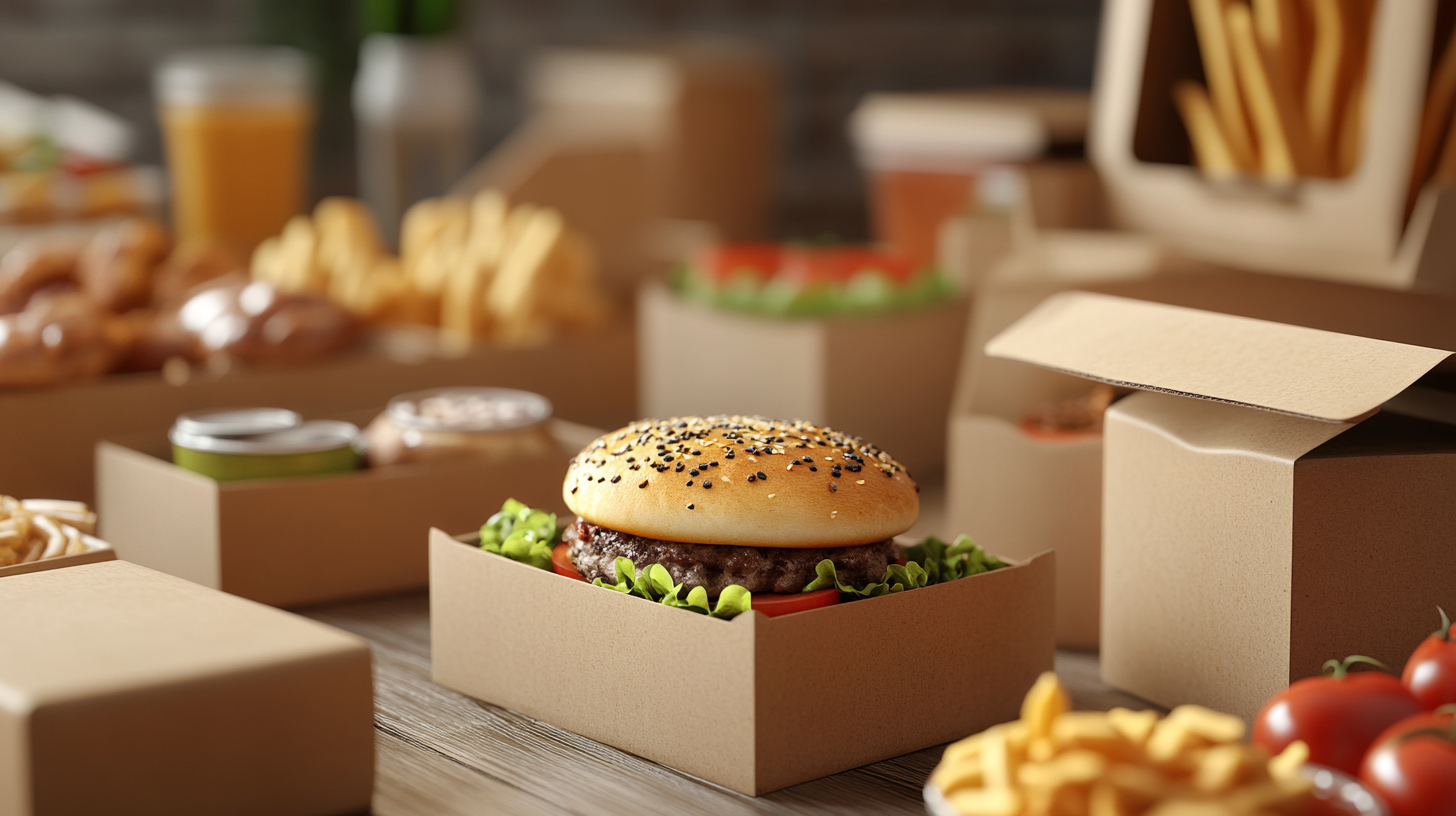
You know, these days, sustainability isn’t just some buzzword; it's become a real must-have in the marketplace. People all over the globe are starting to choose food packaging that’s kinder to our planet. Think about it—using stuff like recycled paper, biodegradable plastics, and compostable films doesn’t just cut down on waste; it actually helps create a circular economy, which is pretty cool. Plus, when companies come up with clever packaging designs that use less material but still keep that high quality, it really boosts the eco-friendliness of those food boxes. It's seriously appealing to those shoppers who are all about making smart choices for the environment.
And here’s another thing: companies that make sustainability a priority in their packaging often end up with loyal fans. When they’re transparent about where their materials come from and how things are made, it really builds trust with customers who care about ethical practices. There are simple tweaks businesses can make—like using soy-based inks and water-based adhesives that are easier on the environment. And let’s not forget minimalist designs that focus on the product instead of drowning it in plastic. This kind of approach totally resonates with eco-conscious values. So really, by honing in on sustainable packaging solutions, brands are not only meeting the expectations of today’s buyers but also doing their part to help out our planet. It’s a win-win!
The recent push for transparency in food packaging labels has taken on new urgency with the introduction of new food labeling regulations in France, which promise to significantly impact consumer choices and habits. As pre-packaged foods continue to gain popularity, especially among busy professionals seeking quick meal solutions, the need for clear and reliable information on these products becomes paramount. According to industry surveys, 74% of consumers now prioritize label information when making purchasing decisions, highlighting the growing demand for trustworthy packaging.
The digital evolution of food labels, such as the implementation of electronic identities for pre-packaged foods, is a game-changer for food safety and traceability. This aligns with findings from recent studies indicating that transparency in food labeling can enhance consumer confidence and brand loyalty. In an era where food safety scandals can quickly tarnish a brand's reputation, maintaining open communication about product ingredients, sourcing, and nutritional content is more crucial than ever. As indicated by market reports, the shift towards transparency is expected to increase market share for brands investing in clear and informative packaging, reflecting a substantial change in consumer engagement and brand interaction.
| Feature | Description | Importance | Example |
|---|---|---|---|
| Material Quality | Use of safe, high-quality materials that ensure food safety. | Critical for maintaining the integrity and safety of the food product. | Biodegradable packaging materials. |
| Informative Labels | Clear and detailed information on ingredients and nutritional values. | Enhances customer trust and makes informed choices. | Nutritional information panel. |
| Sustainability | Eco-friendly practices in packaging design and production. | Attracts environmentally conscious consumers. | Recyclable or reusable packaging options. |
| Tamper Evidence | Packaging that shows signs of tampering. | Ensures consumer safety and product integrity. | Seal or shrink wrap that must be broken to access the product. |
| Product Visibility | Clear packaging that allows customers to see the product. | Increases consumer appeal and encourages purchases. | Window cutouts on boxes. |
| User-Friendly Design | Easy-to-open packages that enhance user experience. | Encourages repeat purchases and customer loyalty. | Easy tear or resealable pouches. |
| Compliance with Regulations | Meeting local and international food safety standards. | Essential for legal sale and consumer safety. | Labeling according to FDA or EU regulations. |
You know, when we talk about food packaging, those innovative materials really make a difference in keeping products fresh. With food trade booming worldwide, it’s super important for packaging to do more than just protect the items inside – it has to help keep everything fresh during its journey too. Take vacuum-sealed plastics and modified atmosphere packaging (MAP), for instance. They’ve really caught on because they can help food last longer by lowering the oxygen levels around perishable items. Not only does this cool trick cut down on spoilage, but it also helps maintain the taste and nutrition of the food we love.
And let’s not forget about the growing trend of biodegradable and eco-friendly packaging options! More and more consumers and businesses are looking for ways to be kinder to our planet. Materials like plant-based plastics and compostable films are making waves as sustainable alternatives that still keep food fresh. This kind of packaging tech not only helps food stick around longer but also ticks the boxes for environmental standards, which is a huge plus for a diverse group of global shoppers. As people become more focused on food safety and sustainability, using these cutting-edge packaging materials is becoming a must for businesses that want to succeed in today’s competitive global landscape.
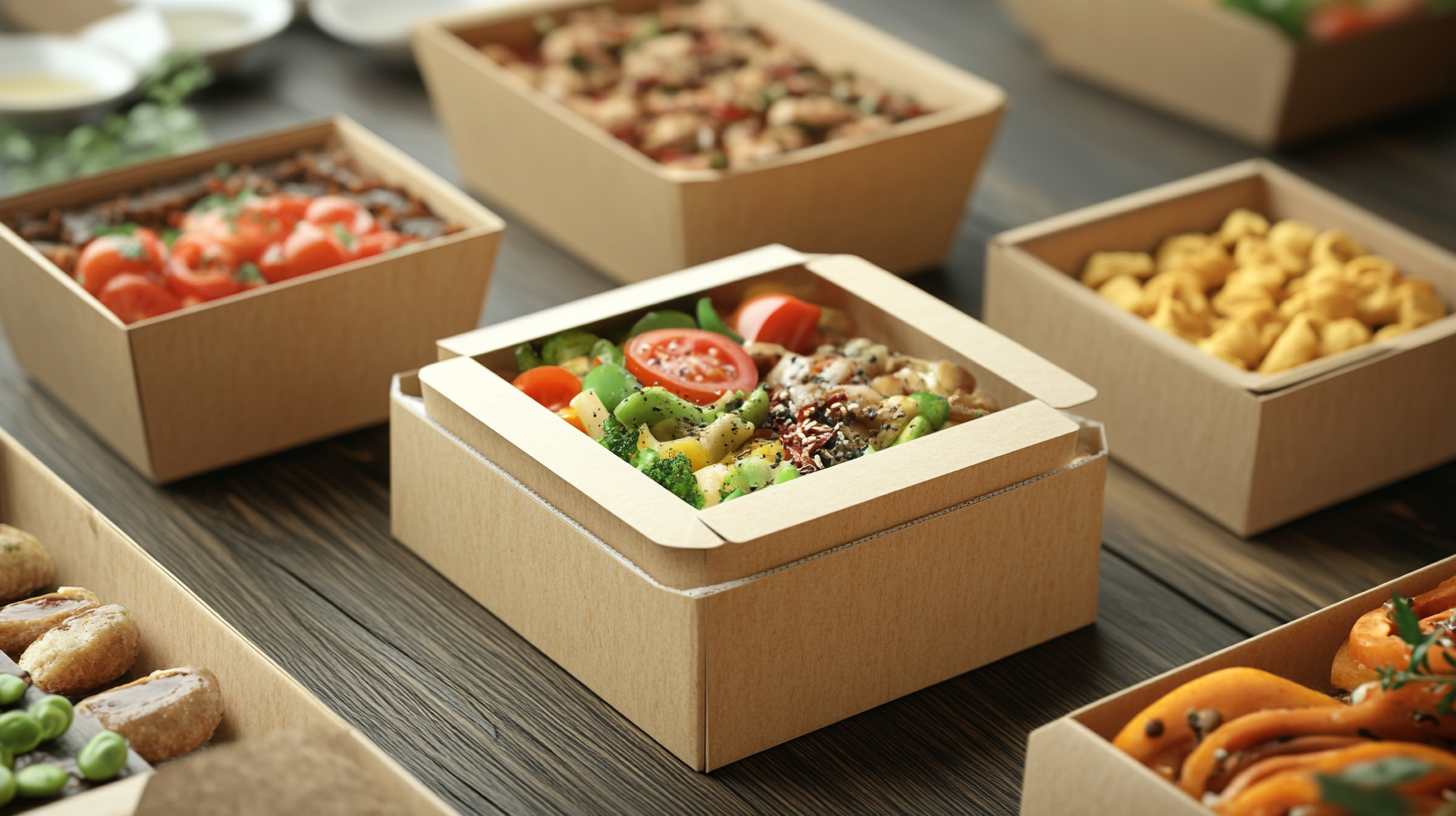
So, when it comes to designing food packaging for a bunch of different markets around the world, you really can’t overlook cultural factors. They’re key to getting the right message across and making products appealing to consumers. Every culture has its own vibe, you know? For example, colors can mean totally different things depending on where you are. Take red, for instance—it's all about good luck in China, but in other places, it might raise alarm bells. By tuning into these little details, brands can craft their packaging to really click with local traditions and attitudes, which totally boosts engagement with customers.
And let’s not forget about shapes and sizes! These can also be influenced by cultural preferences. In some areas, folks are all about convenience, which is why single-serving packs are a hit. But then you’ve got cultures that love sharing meals, so bulk packaging is the way to go. Oh, and the language on the packaging? Super important! Using local lingo doesn’t just help people understand what they’re buying, it also builds trust and makes everything feel more relatable. So, when brands dive into these cultural quirks, they can whip up food packaging that not only does the job but also strikes a chord with consumers worldwide.
: Innovative materials include vacuum-sealed plastics and modified atmosphere packaging (MAP), which reduce oxygen levels around perishable goods to extend shelf life and preserve taste and nutritional value.
Biodegradable and eco-friendly options, like plant-based plastics and compostable films, provide sustainable alternatives that maintain product freshness while appealing to environmentally conscious consumers.
Food safety is crucial as it ensures that food products remain uncontaminated and fresh throughout their journey from production to consumer, which is a key factor in customer satisfaction and trust.
Cultural considerations are vital as they inform how different cultures perceive food packaging, including color meanings, preferred shapes, and sizes, which can enhance consumer engagement.
Colors can have different meanings in various cultures; for example, red may signify good fortune in China but danger in others. Understanding these meanings is crucial for effective packaging design.
Localizing text on food packaging supports comprehension and helps foster a sense of trust and relatability with consumers, enhancing their overall experience.
Single-serving formats are popular in cultures that prioritize convenience and portability, catering to busy lifestyles and on-the-go consumption.
By considering cultural intricacies and designing packaging that resonates with local customs and preferences, brands can create a more meaningful connection with consumers.
Adopting innovative packaging materials helps businesses reduce spoilage, extend product longevity, and meet environmental standards, making them more competitive in the global market.
Packaging plays a significant role in consumer choices by addressing food safety, freshness, and cultural relevance, which are increasingly important in today's market.