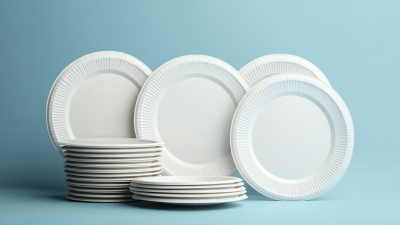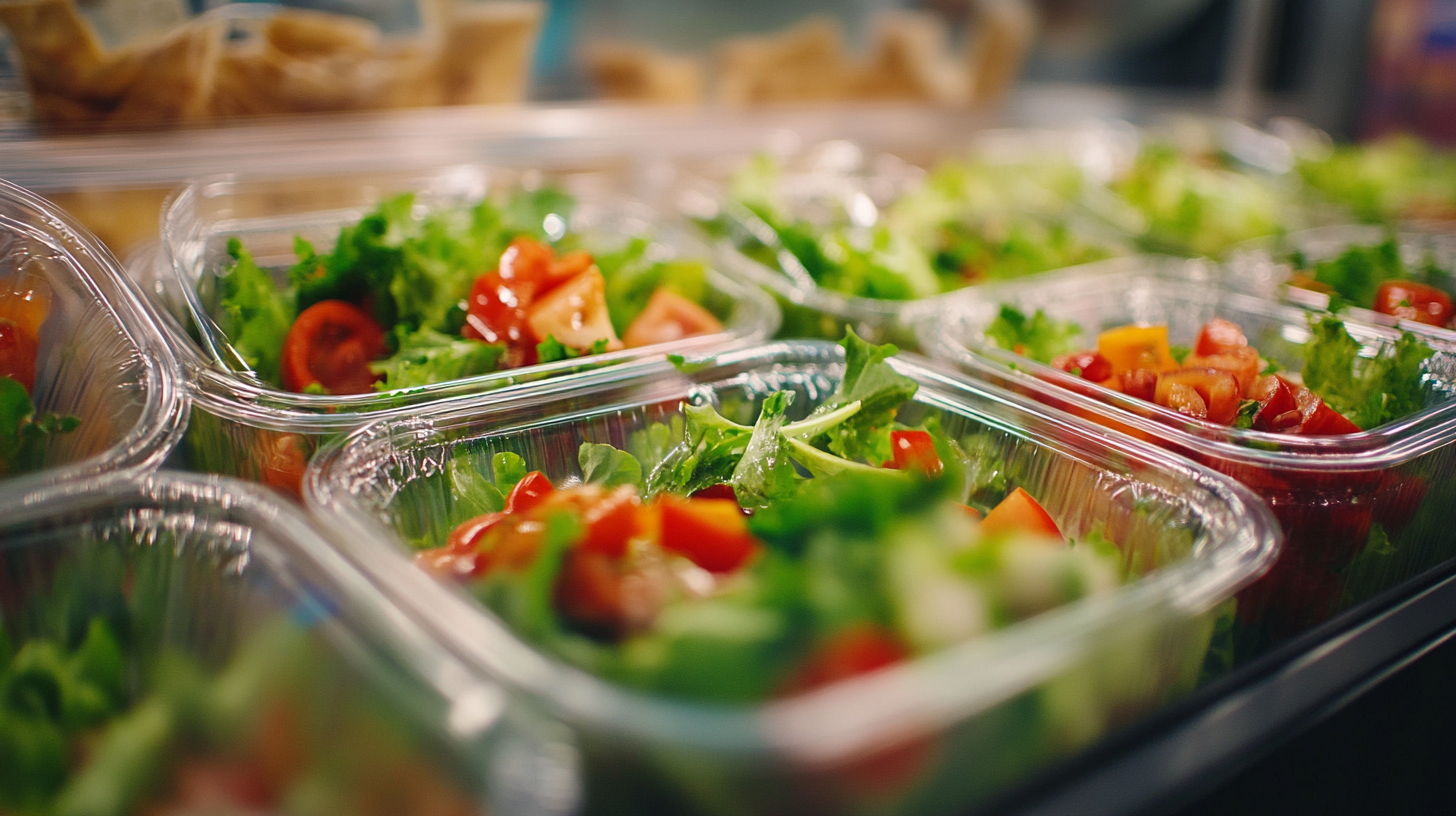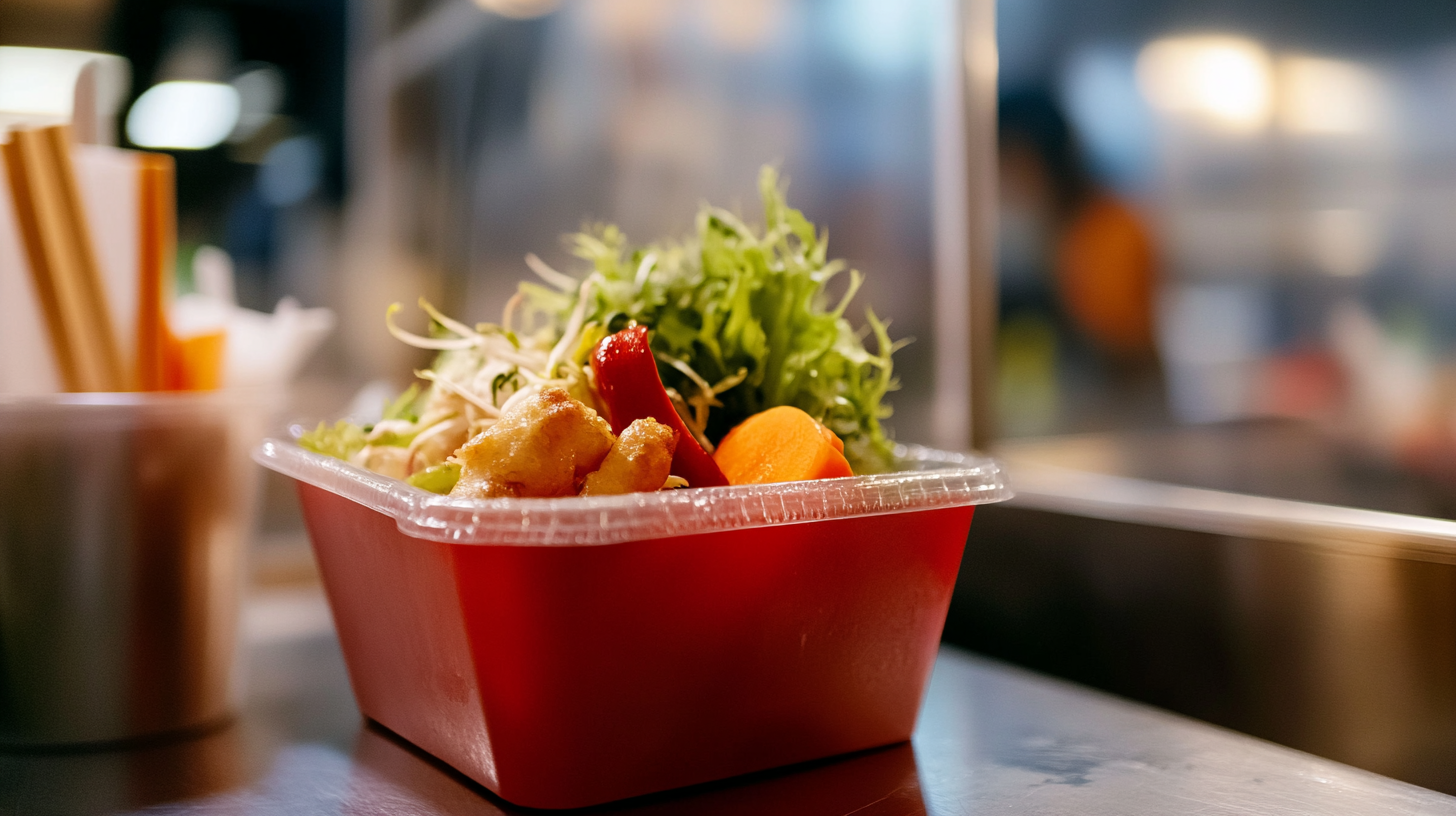
You know, with people increasingly looking for sustainable and innovative options in food service, it’s no wonder that Disposable Food Packaging Containers are getting a lot of attention across different industries. I came across this report from Allied Market Research that mentions the global market for disposable food packaging could hit a whopping $408.98 billion by 2025. That really shows how much folks are leaning towards convenience and eco-friendly materials these days. Here at NINGBO VALUPAPER CO., LIMITED, we totally get how important high-quality packaging is—not just for keeping food fresh but also for catering to what consumers are really after nowadays. Since we kicked things off in 2011, we’ve been proud to offer a wide variety of paper products that make disposable packaging not only effective but also appealing. In this blog, we’re going to dive into the cool ways these containers are used across different sectors, shining a light on their environmental benefits and how well they fit into today’s fast-paced world.
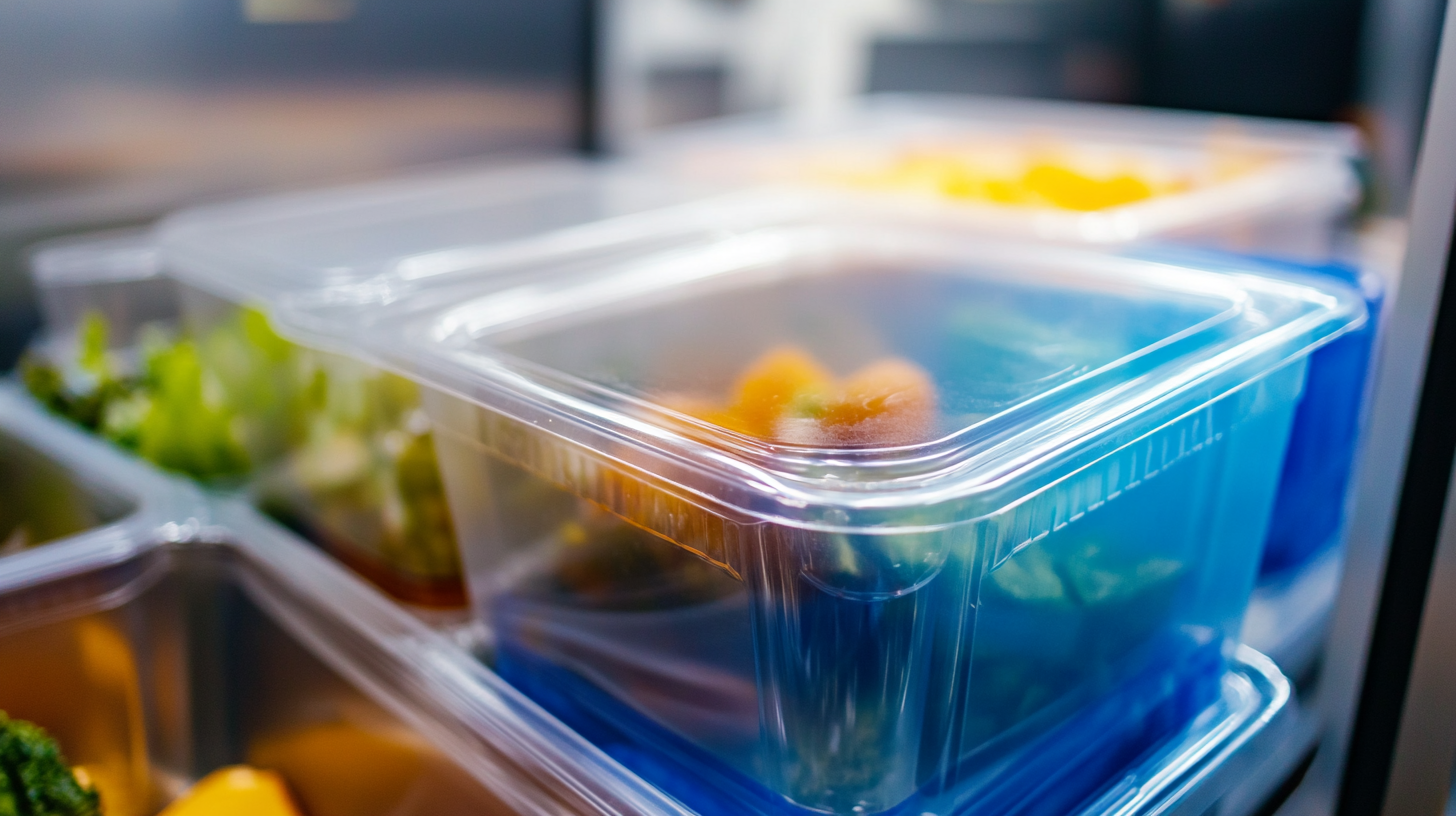
You know, the whole idea of innovative disposable food packaging is really shaking things up for industries trying to be more sustainable and functional. More and more companies are starting to see how crucial it is to pick packaging that doesn’t just pass regulatory checks but also meshes well with eco-friendly practices. Lately, we’re seeing some cool new materials, like biodegradable plastics and compostable paper, really gaining popularity. They not only help with keeping food safe but also cut down on waste. And with manufacturers like NINGBO VALUPAPER CO., LIMITED stepping up their game to create top-notch paper products, the possibilities in the food industry are just getting bigger and better.
For those in the industry, a solid tip is to keep an eye on any changes in regulations and what consumers are leaning towards when it comes to sustainable packaging. Using materials that are easy to recycle or that break down naturally can really boost your brand’s image and win over customers. Plus, teaming up with packaging suppliers can lead to tailored solutions that meet unique needs. That way, businesses can stay ahead in this fast-changing market.
Another exciting trend we’re seeing is the push to keep food fresh while also minimizing waste through smart design improvements. Features like resealable closures or portion controls are making a real difference for consumers and food service companies alike. By embracing these innovations, companies can not only step up their customer experience but also play a part in fostering more sustainable practices in the food packaging world.
You know, there’s been a lot of buzz lately around environmental sustainability, and it’s really shaking things up in the packaging world. More and more businesses are waking up to the realities of their carbon footprints, which means we’re seeing a big jump in demand for eco-friendly packaging. It’s an exciting time for companies like us at NINGBO VALUPAPER CO., LIMITED! We kicked things off back in 2011, focused on making high-quality paper products for the local printing scene, and now we're getting ready to broaden our horizons to include some awesome sustainable packaging options.
In this competitive market, it’s super interesting to see how eco-friendly packaging is stacking up against traditional options. Sure, traditional packaging has been the go-to for ages thanks to established supply chains, but more and more consumers are looking for options that are kinder to the planet. That’s where we come in! At NINGBO VALUPAPER, we’re really passionate about being at the forefront of this change, offering dependable and sustainable packaging solutions that meet the needs of various industries. By going green, we’re not just checking a box on corporate responsibility; we’re also tapping into a shift in the market that’s clearly leaning towards more sustainable practices.
Disposable packaging plays a critical role in ensuring food safety across various sectors, from fast food outlets to catering services. The use of high-quality disposable food packaging containers can significantly minimize the risk of contamination during transportation and storage. These containers are often designed to be tamper-resistant and leak-proof, which helps maintain the integrity of the contents while providing an additional layer of protection against harmful pathogens. The rise of innovative materials, such as biodegradable plastics and plant-based composites, further enhances food safety by reducing the potential for chemical leaching that can occur with inferior packaging options.
In the healthcare sector, disposable food packaging is essential for patient meal services, where cleanliness is paramount. Utilizing disposable containers minimizes the risk of cross-contamination in environments where hygiene is critical. Additionally, the ability to safely package and store food in single-use containers helps comply with strict health regulations. As industries continue to explore novel applications for disposable packaging, the benefits extend beyond convenience; they encompass vital aspects of food safety and align with sustainability efforts by reducing waste and environmental impact.
You know, with all the buzz around sustainability these days, restaurants are really starting to think hard about the containers they use. It’s not just about looking good anymore; it’s about making choices that are kinder to our planet. A study from the Food Packaging Forum pointed out that the market for biodegradable packaging is set to zoom up at around 14.1% per year from 2021 to 2028. That's pretty significant! I mean, it shows just how much people want more eco-friendly options. And get this—while the initial cost of biodegradable containers might be a bit steep, the long-term perks like lower waste disposal fees and building loyalty among those eco-conscious diners are hard to ignore.
Plus, beyond saving some bucks, switching to biodegradable containers lets restaurants showcase their commitment to sustainability. A report from the National Restaurant Association found that about two-thirds of consumers prefer dining at places that really care about the environment. That’s an edge you want to have over the competition! If a restaurant is considering making the switch, a few tips would be sourcing top-notch biodegradable materials, educating the staff about the green message, and making sure customers are aware of the benefits.
So, going for biodegradable containers isn’t just a move for Mother Earth, it’s also a chance to make customers feel really good about where they’re eating. When restaurants align their products with what diners value, it strengthens those bonds. And hey, partnering with suppliers like NINGBO VALUPAPER CO., LIMITED., which focuses on high-quality paper goods, could help make that transition smooth and effective.
You know, regulations really shape the choices we make in food packaging, and they have a big impact on how companies pick out their disposable containers. With food safety rules tightening up worldwide, manufacturers are really feeling the push to go for more sustainable and compliant packaging options. Just to give you a sense of the landscape, a recent report from Smithers Pira suggests that the global food packaging market could hit a whopping $500 billion by 2024. That really highlights how crucial it is to have regulations in place that not only focus on safety but also take into account environmental concerns and what consumers are looking for.
Here at NINGBO VALUPAPER CO., LIMITED, we totally get how vital it is to stick to these regulations while also shaking things up in the packaging world. Since we started back in 2011, we’ve been all about offering top-notch paper products that meet the changing needs of the food industry. Our products don’t just check the regulatory boxes; they also prioritize sustainability, which really resonates with the growing number of consumers seeking eco-friendly packaging. In fact, a survey by the World Packaging Organisation found that about 66% of consumers would rather see packaging that's recyclable or made from renewable resources. That’s a trend we’re proud to support as we create innovative disposable food packaging containers that fit those preferences.
As consumer awareness of environmental issues grows, the food packaging industry is under increasing scrutiny to reduce reliance on single-use plastics. The demand for sustainable alternatives is driving innovation in disposable food packaging containers across various sectors. Retail environments are especially pivotal, as they account for a significant portion of packaging waste. Implementing reusable packaging options is emerging as a beneficial strategy, allowing retailers to meet consumer expectations while also adhering to sustainability metrics that evaluate the efficiency and environmental impact of their packaging choices.
Key metrics for evaluating the performance of reusable packaging include measuring waste reduction at the source and analyzing the effectiveness of circular economy principles within supply chains. By focusing on these metrics, businesses can better understand the role of food packaging in achieving sustainability goals. The collaboration between businesses and NGOs to establish measurement standards will facilitate a smoother transition to reusable packaging models, ultimately reducing the staggering number of single-use containers discarded daily and moving toward more sustainable practices in the industry.
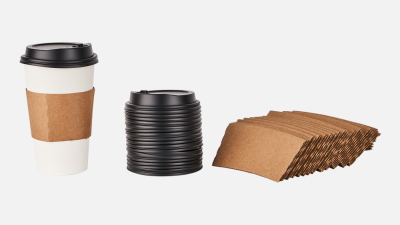
Disposable coffee sleeves are more than just a simple accessory; they significantly enhance your coffee experience by providing practical benefits that every coffee lover should appreciate. As hot beverages can reach temperatures upwards of 200°F, holding a cup directly without a protective sleeve can lead to burns or discomfort. According to a report by the Specialty Coffee Association, nearly 60% of coffee drinkers have experienced discomfort from holding A Hot Cup without a barrier. Disposable sleeves, typically made from materials like paper, silicone, or neoprene, create a thermal barrier that protects your hands and allows for a comfortable grip.
In addition to safeguarding your hands, these sleeves serve another practical purpose: they reduce heat transfer to surfaces. Many coffee enthusiasts enjoy taking their drinks on the go, and a hot cup can leave marks or damage to furniture. The insulation provided by a coffee sleeve not only prevents this heat damage to tables and other surfaces but also enhances the portability of your drink. A recent survey found that 75% of consumers prefer using disposable sleeves when ordering takeout coffee, citing convenience and cleanliness as their primary reasons.
In a world where convenience aligns with sustainability, many disposable coffee sleeves can be compostable or made from recycled materials, appealing to environmentally-conscious coffee drinkers. This dual benefit of comfort and eco-friendliness positions disposable coffee sleeves as a must-have accessory, ensuring you enjoy your favorite hot beverage without worry or mess.
: Key trends include the use of biodegradable plastics and compostable paper products that enhance food safety and reduce waste, alongside smart designs that incorporate resealable closures and portion control.
Disposable packaging minimizes the risk of contamination by being tamper-resistant and leak-proof, ensuring the integrity of food during transportation and storage, and is often made from materials that prevent chemical leaching.
Regulatory compliance ensures that packaging meets food safety standards and addresses growing consumer preference for sustainable solutions, thereby impacting packaging choices within the food industry.
Companies can enhance brand reputation by adopting easily recyclable or biodegradable materials, aligning with consumer demands for sustainable packaging options.
Disposable packaging helps maintain hygiene and minimize the risk of cross-contamination during patient meal services, which is crucial in healthcare settings.
Consumers are increasingly favoring recyclable or renewable packaging, influencing companies to innovate and produce environmentally friendly disposable food packaging solutions.
Companies can stay competitive by collaborating with packaging suppliers for customized solutions and keeping abreast of regulatory changes and consumer preferences related to sustainable packaging.
Innovation enhances the functionality of packaging, such as improving freshness and minimizing waste, ultimately benefiting both the consumer experience and sustainability efforts in the food packaging sector.
Companies should consider regulatory compliance, sustainability, material safety, and consumer preferences to ensure that their packaging choices are effective and aligned with market trends.
The global market for food packaging is projected to reach $500 billion by 2024, driven by stricter safety regulations and increased demand for sustainable packaging solutions.