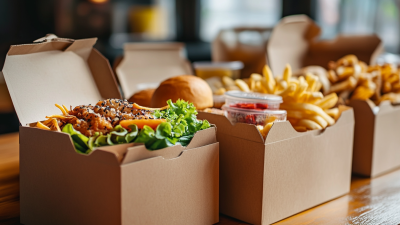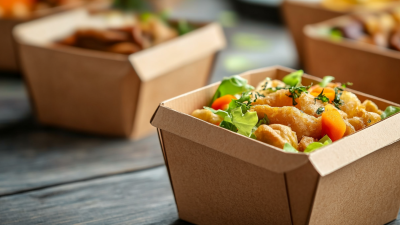
You know, in today’s crazy competitive market, it’s hard to overemphasize just how important good Food Packaging is—especially when we’re talking about Food Packaging Boxes. A bunch of industry studies have shown that over 60% of folks see packaging as a key player in deciding what they’ll buy. It totally shapes how they view quality and safety, right? Here at NINGBO VALUPAPER CO., LIMITED, we really get how innovative packaging can boost your brand’s visibility and cater to different customer needs. Since we kicked things off back in 2011, we've been all about delivering top-notch paper products, including personalized Food Packaging Boxes that fit what various businesses are looking for.
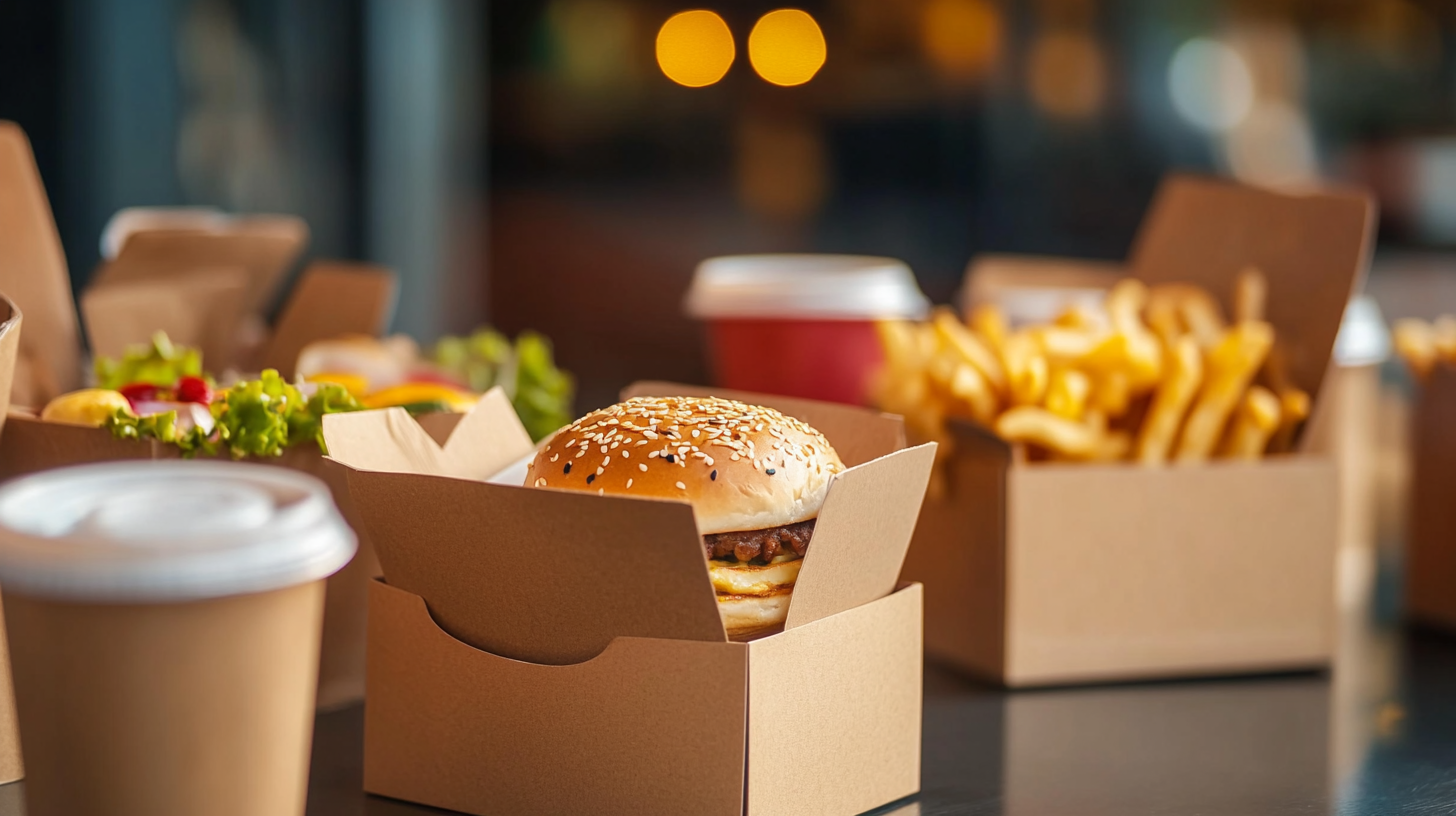
In this handy step-by-step guide, we’re excited to share some key insights and tips to help you pick the perfect food packaging solutions that match your business goals.
You know, when we talk about the food industry, packaging isn’t just about making things look pretty. It’s actually super important for making sure our food is safe, meets all the regulations, and gets noticed by consumers. A report from Smithers Pira even predicts that the global food packaging market is going to hit a whopping $500 billion by 2024! That really shows just how crucial packaging is in getting food out there and making sure people remember your brand.
Good food packaging isn’t just there for show; it protects products from things like contamination and spoilage. Plus, it helps keep food fresh and tasty, which is a big deal when it comes to safety standards.
And here's something interesting: the way you package your food can really sway a customer's choice. According to a study by the Food Marketing Institute, about 67% of consumers actually pay attention to a product’s packaging when they’re deciding what to buy. So, it’s not just about picking strong and safe materials; it’s also about designing something that reflects what your brand stands for. Investing in good packaging can really boost your brand image, draw more customers in, and ultimately help you sell more. It’s a key part of any food business strategy!
So, when you're picking out food packaging boxes for your business, there are a few really important things you should think about. These factors can seriously affect both how you run things and how your brand comes across to customers. First off, the materials you choose for Your Packaging really matter. You've got a bunch of options like plastic, paper, cardboard, metal, and glass, and each one has its own perks and downsides. For example, people often think that paper and cardboard are the greener choices, but they might not be quite as tough as plastic or metal in some situations.
Then there's the actual type of food packaging you need, which really depends on what you're selling. Whether you’re looking at bags, pouches, bottles, jars, or boxes, each kind has its own guidelines and best practices for keeping food safe. Plus, it’s super useful to keep an eye on market trends and what consumers are leaning towards—it can really shape your packaging choices. Nowadays, there’s a big push for sustainable and innovative solutions, so staying updated on what's happening in the industry could help you make smarter choices down the line. This way, you can boost your brand's competitiveness in this crowded market.
| Key Factors | Considerations | Benefits |
|---|---|---|
| Material | Choose eco-friendly, durable materials that suit your food type. | Enhanced protection for food and lower environmental impact. |
| Size | Ensure the box size fits your food products without excess space. | Reduces food movement, decreasing the risk of damage. |
| Design | Consider retail presentation and branding elements. | Attracts customers and reinforces brand identity. |
| Regulatory Compliance | Check local regulations for food safety and packaging standards. | Ensures legal compliance and consumer safety. |
| Cost | Evaluate packaging costs against your budget and ROI. | Sustainable financial planning for packaging expenses. |
Choosing food packaging boxes can feel like a big deal, right? One of the key decisions you’ll face is whether to go with eco-friendly options or stick with the traditional stuff. Eco-friendly solutions are definitely on the rise—think biodegradable boxes made from plant-based materials. More and more businesses are leaning towards these options because they really want to cut down on their environmental footprint. Plus, it’s a win-win: these packaging types not only resonate with folks who care about the planet, but they can also give your brand a nice boost in reputation.
But hey, traditional materials like plastic or Styrofoam aren’t out of the picture either. They’re super durable and last a long time, which certainly makes them tempting—especially for businesses looking to save some bucks. Yet, it’s super important to think about the long-term consequences of sticking with these materials. You don’t want to ignore the possible backlash from consumers who are really into sustainability.
A Quick Tip for You: Always keep your audience in mind when picking packaging. If your customers really value sustainability, going for eco-friendly materials might just make them happier and boost their loyalty to your brand. And don’t forget to think about how practical each option is for your specific food items. You want to make sure the packaging keeps everything fresh and intact!
You know, when it comes to food packaging, the design really makes a huge difference in creating a solid brand identity and grabbing people’s attention. One cool way to boost your brand's appeal is to have creative packaging that really aligns with what your brand stands for and who your target audience is. Think bold colors and fun shapes! They can really make your products pop on the shelf and leave a lasting impression that consumers won't forget.
A few tips for nailing that standout design? First off, use high-quality images that really show off your products in the best light. Plus, make sure to weave in elements that tell your brand’s story. And hey, don’t forget about how your packaging can communicate your values. Using eco-friendly materials? That’s a great way to show you care about sustainability! On the flip side, elegant designs can totally scream sophistication and quality.
And let’s not overlook practicality here. Your packaging shouldn’t just be eye-catching; it’s gotta protect the food quality too! Make sure it includes key info—like ingredients and nutritional facts—in a way that’s not only clear but also looks good. By blending those eye-catching visuals with useful details, you’ll end up with packaging that not only boosts your brand but also meets your customers’ needs like a champ.
Picking the right food packaging boxes? You definitely want to keep food safety regulations in mind – it's super important! The U.S. Food and Drug Administration (FDA) has put some serious guidelines in place to keep us consumers safe, especially when it comes to what materials can touch our food. Plus, did you know that according to a report from Smithers Pira, the global food packaging market is expected to hit a whopping $500 billion by 2024? That really shows how vital it is to stick to these rules if you want to keep your products trustworthy and maintain consumer confidence.
Now, talking about materials – they’re a big deal, not just for compliance but for keeping our food fresh, too. You know, more and more people are leaning towards biodegradable and recyclable options. In fact, around 73% of consumers say they’d rather have eco-friendly packaging. It's super essential to go for food packaging boxes that meet both local and international rules about BPA-free materials and can stand up to different temperatures. By choosing options that are compliant, businesses can not only play by the rules but also grab a slice of that growing market of eco-conscious buyers. It’s a win-win, really, because it can help boost sales and improve their reputation!
When you're picking out food packaging boxes for your business, it’s super important to keep an eye on costs if you want to keep those profits healthy. Industry reports are saying that the global food packaging market might hit a whopping $500 billion by 2025, growing at around 4.2% annually. That’s a clear sign that more and more businesses are looking for creative and eco-friendly packaging options that can help streamline logistics and supply chains while keeping expenses in check.
One smart way to source packaging on a global scale is by using digital platforms that connect you with manufacturers and suppliers from all over the world. Analysts have found that businesses tapping into these digital procurement methods can cut their costs by as much as 30%. Plus, if you create lasting relationships with trustworthy suppliers, you can really strengthen your supply chain. This ensures you get consistent quality and availability, which is a major win.
Now, with customers becoming more eco-conscious, exploring sustainable materials not only saves money but also gives your brand a nice boost. Since packaging plays such a crucial role in how people decide what to buy, using these cost-effective strategies could really give your overall business a solid advantage.
This chart presents the average cost per unit of various types of food packaging boxes. Understanding the cost can help businesses make informed decisions when sourcing packaging materials globally.
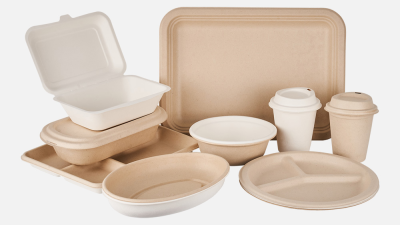
In recent years, the shift towards sustainable dining options has gained significant traction, as consumers become increasingly aware of the environmental impact of their food choices. One of the most compelling alternatives to traditional disposable tableware is the biodegradable bagasse food bowl. Made from pure natural sugarcane bagasse, these bowls offer an eco-friendly solution that not only reduces waste but also supports a circular economy. According to a 2021 report by the Biodegradable Products Institute, compostable products can reduce waste sent to landfills by over 30%, highlighting the importance of making the switch.
The advantages of using Bagasse Bowls extend beyond their environmental benefits. These bowls are non-toxic and tasteless, ensuring that they do not compromise the flavors of your food. Their impressive characteristics, such as heat resistance, waterproofness, and oil-proofness, make them suitable for various dining occasions, from casual picnics to formal events. Furthermore, their attractive appearance allows them to blend seamlessly into any table setting, serving as both a functional and aesthetic dining solution.
Compostable bagasse bowls are not only a wise ecological choice but also a reflection of a growing trend towards sustainability in the food industry. Industry research forecasted a 5.5% annual growth in the bioplastics market, driven by increasing consumer demand for environmentally responsible packaging and cutlery. By choosing bagasse bowls, you contribute to a healthier planet while enjoying a stylish and practical dining experience.
: Food packaging is critical as it ensures safety, compliance with regulations, and effective marketing. It protects products from contamination and spoilage, preserves freshness and quality, and influences consumer purchase decisions.
The global food packaging market is projected to reach $500 billion by 2024, highlighting its significant role in food distribution and consumer retention.
A study revealed that 67% of consumers consider a product's packaging when making purchase decisions, emphasizing the need for businesses to design packaging that effectively communicates their brand message and values.
The U.S. Food and Drug Administration (FDA) has strict guidelines outlining acceptable materials that can safely contact food, making compliance critical for maintaining product integrity and consumer trust.
Biodegradable and recyclable materials are increasingly popular, as 73% of consumers prefer eco-friendly options, which helps businesses align with environmental concerns and boost market reputation.
Using compliant food packaging not only aligns with legal requirements but also helps businesses tap into the market of environmentally conscious consumers, enhancing sales and brand reputation.