Leave Your Message
0%
Future Innovations in Best Disposable Food Packaging Container Industry Trends for 2025

Looking ahead to 2025, it’s clear that the world of disposable Food Packaging is on the brink of some serious changes, all thanks to our growing focus on sustainability and what consumers really want. You know, reports are saying that the global market for disposable food packaging could hit a whopping $400 billion by 2025! It's pretty exciting to see biodegradable and eco-friendly materials gaining a lot of momentum.

Take NINGBO VALUPAPER CO., LIMITED, for instance. Since they got started back in 2011, they've been really paying attention to this shift. They went from just working with local printing companies to creating high-quality, innovative paper products that cater to the constantly changing needs of the food packaging industry. And let’s not forget, companies are really trying to step up their after-sales service and keep those maintenance costs low.

So, it’s crucial for everyone in this game to strategically navigate these trends and keep up with the ever-growing expectations from both consumers and regulatory bodies. It's definitely going to be an interesting ride ahead!

Future Innovations Shaping the Disposable Food Packaging Market by 2025

As we glance ahead to 2025, it looks like the disposable food packaging market is gearing up for some exciting changes, all thanks to a push for sustainability, convenience, and what consumers really want. Recent reports from the industry suggest that the global market for disposable food packaging could hit a whopping USD 500 billion by 2025, with a steady growth rate of over 5%. This boom is mainly driven by the rising demand for eco-friendly materials, as folks are getting more eco-conscious and on the lookout for biodegradable options. Companies are diving into plant-based plastics and compostable materials, setting new benchmarks for sustainable food packaging.

So, here’s a tip: if businesses want to stay ahead in this shifting landscape, investing in research and development for innovative materials is a smart move. Getting to know what customers prefer can also steer product development in the right direction, making sure they’re in line with what’s trending.

Another big player in this game is the growth of e-commerce and food delivery services. With online food orders expected to soar, packaging solutions that keep our grub safe and fresh are super important. You’re starting to see advanced packaging tech, like smart packaging that monitors freshness and temperature, really taking off.

And here’s another friendly tip: embracing sustainable practices in packaging design doesn’t just boost your brand’s image; it also attracts the growing crowd of eco-aware consumers. Plus, keeping a regular eye on industry trends and what consumers are saying helps businesses adapt and really thrive in this fast-changing market.

Future Innovations in Disposable Food Packaging Containers by 2025

This chart represents the projected growth trends in various disposable food packaging materials for 2025. The focus is on sustainable options, including biodegradable, compostable, and recyclable packaging, as well as traditional materials. The rise of environmental awareness is expected to drive these trends significantly.

Sustainable Materials: The Shift Towards Biodegradable and Compostable Options

Hey there! You know, by 2025, we're really going to see a big change in the world of disposable food packaging. It's all about sustainability, and it’s taking center stage in how companies innovate. More and more businesses are waking up to the fact that we can’t keep relying on traditional plastic packaging. Instead, they’re making the switch to biodegradable and compostable materials. This isn’t just a trend driven by what consumers want—although, let’s be honest, we’re all demanding greener options these days—it’s also about stricter regulations that are pushing for less plastic waste everywhere. Take PLA (polylactic acid), for instance. It comes from renewable stuff like cornstarch, and it’s becoming a go-to because it’s a sustainable alternative that still works great without losing any of that quality we expect from our food packaging.

Now, moving towards these sustainable materials is like a win-win. Not only is it better for our planet—hello, Earth!—but it’s also good for business. Companies that adopt biodegradable choices are able to polish their brand image while joining the global movement for being more eco-conscious. Plus, with technology marching forward, it’s becoming easier to create compostable packaging that checks all the boxes for safety and quality while breaking down naturally in the environment. So, as we gear up for 2025, this shift towards eco-friendly packaging isn’t just a passing phase, it’s a vital step towards ensuring a healthier planet for those who come after us.

Future Innovations in Best Disposable Food Packaging Container Industry Trends for 2025

Impact of E-commerce Growth on Disposable Packaging Demand Trends in 2025

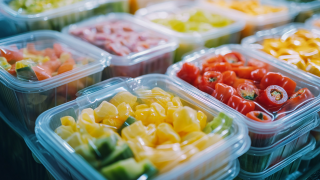
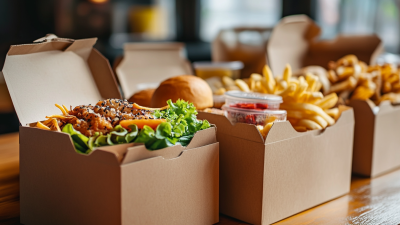
Packaging Image Hey there! Have you noticed how fast e-commerce is growing? It’s really shaking things up in the world of disposable food packaging, especially as we look toward 2025. A recent report from Smithers Pira says that the global market for disposable food packaging is on track to hit a whopping $400 billion by then. Why? Well, it turns out more folks are craving convenient, ready-to-eat meals. Plus, the ease of online shopping is fueling a boom in food delivery services, which means we need packaging that not only keeps our food fresh but is also kind to the planet.

As more people are shopping online, it’s changing what we want from packaging materials. There’s definitely a growing interest in biodegradable and recyclable options. Just check out this study by Fortune Business Insights—it projects that the biodegradable packaging segment is poised to grow at a crazy rate of 14% per year for the next five years! So, as companies adapt to these changing desires, they’re going to need to come up with creative packaging designs that work well for delivery logistics and are eco-friendly to boot.

Tips: When you’re picking out disposable packaging, look for materials that are functional yet sustainable. Think about using plant-based bioplastics or recycled paper. And don’t forget to design Your Packaging in a way that accounts for the limitations of courier services, so nothing gets damaged on the way. This will really help boostcustomer satisfaction! Oh, and keep an eye on any new regulations about packaging materials because they can really shake up your supply chain strategy.

Technological Advancements: Smart Packaging Features to Enhance Food Safety

Looking ahead to 2025, it’s pretty clear that the disposable food packaging container industry is about to undergo some major shifts, all thanks to exciting tech advancements. One of the coolest things on the horizon is the arrival of smart packaging features aimed at boosting food safety. These innovations aren’t just about convenience; they’re giving both consumers and businesses an unprecedented awareness of how their packaged food is holding up.

So, what does smart packaging actually look like? Well, it comes packed with all sorts of technologies—think sensors, QR codes, and freshness indicators—that keep a close eye on food quality and spoilage. For example, time-temperature indicators can give you a heads-up if your food's been sitting in the danger zone for too long, helping you make smarter choices about what’s safe to eat. Plus, smart packaging enhances traceability throughout the supply chain, so you can check out where your food came from and how safe it really is. This not only cuts down on food waste but also builds trust in the food we consume.

On top of that, the shift towards using biodegradable materials alongside these smart technologies is a big win for sustainability in the industry. With people becoming more eco-conscious, there’s definitely going to be a demand for packaging that keeps food fresh while also being kind to our planet. This mix of high-tech and eco-friendly trends sets the disposable food packaging container industry up for a real transformation—one that not only tackles food safety but also aligns with our broader goals for sustainability. It’s exciting to think about how we’ll be preserving and delivering food in the future!

Regulatory Changes Driving Innovation in the Disposable Food Packaging Sector

You know, the disposable food packaging industry is really going through some big changes lately. A lot of this is thanks to new regulations aimed at cutting down on environmental harm. I recently came across some data from the International Packaging Association that says the global market for sustainable packaging could hit around $500 billion by 2025. That’s pretty wild, right? Governments are really stepping up to push for less single-use plastic, and many countries have even started imposing bans or taxes on them. So, companies are jumping on board, investing more in biodegradable materials and coming up with clever designs that fit these new rules.

As of 2023, the demand for sustainable packaging solutions has surged by over 30%! Businesses are eager to meet these tougher standards and attract eco-friendly consumers. A report by Smithers Pira points out that we’re going to see a big spike in the need for sustainable options for disposable food packaging—think compostable containers and bio-based plastics—with a compound annual growth rate (CAGR) of 7.5% through 2025. This trend is not just about what consumers want; it’s a wake-up call for manufacturers to keep up with the changing regulations, making sure they stay compliant and competitive in this fast-evolving market.

Consumer Preferences: The Rise of Customizable and Eco-Friendly Packaging Solutions

You know, the food packaging industry is really changing these days, thanks to how consumers are evolving – especially when it comes to wanting things that are customizable and eco-friendly. It’s pretty wild that recent research shows the global eco-friendly packaging market is on track to hit a whopping $500 billion by 2025! That’s a growth rate of over 5% a year from 2023, which is really something. A big part of this boom is the increasing awareness people have about sustainability. In fact, about 72% of folks prefer brands that use sustainable packaging materials. Can you believe that?

And customization is another big deal! Around 60% of consumers say that personalized packaging actually sways their buying choices. This trend reflects a larger movement toward experiences that feel tailored just for you; packaging is not just practical anymore – it's also about building brand loyalty and keeping you engaged. Innovative brands are really stepping up by adding cool design elements and flexible packaging options that not only meet individual needs but also help the planet at the same time. We're seeing companies jump on board with biodegradable materials and smart designs that cut down on the amount of stuff they use, all while catering to our desires for both sustainability and personalization.

Future Innovations in Best Disposable Food Packaging Container Industry Trends for 2025

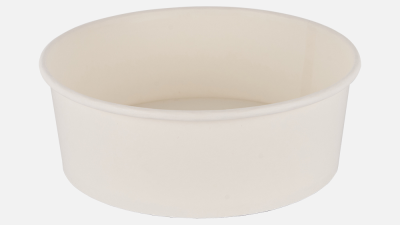
Eco-Friendly Dining: The Benefits and Uses of White Paper Disposable Food Bowls

In the age of growing environmental awareness, choosing eco-friendly dining options is more important than ever. One such option is the White Paper Disposable Food Bowl, which caters perfectly to various dining needs while prioritizing sustainability. Whether you’re serving salad, meals, or even soup, these versatile bowls offer a convenient solution for both casual gatherings and large events.

What sets these bowls apart is their compostable nature, which significantly reduces the environmental impact compared to traditional plastic alternatives. Made from high-quality materials, these bowls are not only soft and flexible but also safe for use in the refrigerator, oven, and microwave. Their pH-neutral and acid-free properties ensure that your food stays fresh without any interactions that could compromise taste or safety.

Moreover, the White Paper Disposable Bowls are ideal for takeouts and picnics, providing a practical and eco-conscious dining experience. With the growing demand from various sectors for sustainable supplies, these bowls stand out as a green choice that doesn't compromise on convenience. Embrace the shift towards more environmentally friendly dining solutions with these innovative and efficient paper bowls.

FAQS

: What are the key technological advancements in food packaging expected by 2025?

: The key advancements include the integration of smart packaging features such as sensors, QR codes, and indicators that enhance food safety by monitoring freshness and detecting spoilage.

How does smart packaging improve food safety for consumers?

Smart packaging features like time-temperature indicators alert consumers if their food has been exposed to unsafe conditions, helping them make informed consumption decisions.

What role does smart packaging play in the food supply chain?

Smart packaging facilitates traceability, allowing consumers to verify the origin and safety of their food, thus minimizing waste and building trust in the food supply chain.

What is driving the transformation in the disposable food packaging sector?

The transformation is primarily driven by regulatory changes aimed at reducing environmental impact, such as bans or taxes on single-use plastics.

How has consumer demand for sustainable packaging changed recently?

In 2023, the global demand for sustainable packaging grew by over 30%, reflecting stricter regulatory standards and a rise in environmentally conscious consumer preferences.

What types of sustainable packaging options are in demand?

There is a rising demand for options like compostable containers and bio-based plastics, with a projected compound annual growth rate (CAGR) of 7.5% through 2025.

How are consumer preferences influencing packaging design in the food industry?

Consumers are increasingly favoring customizable and eco-friendly solutions, with 60% indicating that personalized packaging influences their purchasing decisions.

What impact does eco-friendly packaging have on consumer behavior?

Around 72% of consumers prefer brands that use sustainable packaging materials, driving companies to adopt biodegradable materials and innovative designs.

What is the projected market growth for eco-friendly packaging?

The global eco-friendly packaging market is expected to reach $500 billion by 2025, growing at a CAGR of over 5% from 2023.

How are companies responding to the demand for packaging innovation?

Companies are adopting unique design elements and flexible packaging solutions that cater to individual consumer preferences while also focusing on minimizing environmental impact.
Oliver

Oliver

Oliver is a dedicated marketing professional at Ningbo Weipu Paper Industry Co., Ltd., where he leverages his extensive knowledge of the company's products to drive brand awareness and customer engagement. With a strong background in paper manufacturing and distribution, Oliver plays a crucial role......
Previous Understanding the Benefits of Using Disposable Packaging Boxes