You know, the fast food scene has really changed a lot in the last few years, right? It's interesting to see how more people are asking for sustainable practices and products. As we get closer to 2025, we're going to see some new and exciting developments, like sustainable fast food containers. This could really change the way both restaurants and customers think about their impact on the environment.
Take NINGBO VALUPAPER CO., LIMITED., for instance. They've been around since 2011, making some top-notch paper products, and they're leading the way in this whole movement. They’re all about finding innovative solutions that cater to different customer needs, and they’re really shaking up the idea of what fast food containers can be. It's not just about functionality anymore; it's also about being part of a greener future.
So, in this blog, we’re diving into the latest trends around sustainable fast food containers and highlighting how top manufacturers are rolling with the punches in this fast-changing market.
The Necessity of Eco-Friendly Packaging in the Fast Food Sector
You know, in the fast food world, there's a big push for sustainability these days, and it's really shaking things up when it comes to packaging. More and more, folks are cluing in to the importance of being eco-friendly, which means the demand for sustainable containers is skyrocketing. Because of this, companies are starting to rethink the old-school packaging materials they’ve relied on for so long. It's like they're finally acknowledging that using biodegradable, recyclable, or even compostable materials isn’t just what consumers want— it’s also part of a bigger move to cut down on waste and pollution around the globe.
Honestly, the need for eco-friendly packaging isn't just some passing fad; it’s become a must-have in the industry. With all the plastic floating around and wrecking our planet, fast food joints are really feeling the heat to step up and do their part in reducing their environmental impact. By choosing to go with sustainable packaging, these brands can not only boost their reputation but also connect better with customers who really care about the planet. Plus, putting some investment into green packaging can spark innovation; it gives businesses a chance to stand out in such a competitive market while tackling those urgent environmental issues head-on.
Comparing Traditional vs. Sustainable Fast Food Containers
You know, the fast food industry is really changing, and one of the biggest shifts we’re seeing is the huge demand for sustainable containers. Those old-school fast food boxes, which are mostly made from polystyrene and other non-biodegradable stuff, have seriously messed up our environment. In fact, by 2025, experts are saying that around 70% of fast Food Packaging could come from sustainable sources! This change is really being pushed by consumers who are more aware of environmental issues and by new regulations that are coming into play. It’s interesting to note that about 68% of folks actually prefer brands that use eco-friendly packaging—talk about a major shift towards being conscious about sustainability!
So, how can fast food chains get on board with this trend? Well, there are plenty of sustainable materials they can look into, like compostable bioplastics and recycled paperboard. Not only do these alternatives help cut down on waste, but they can also boost a brand’s image by appealing to those eco-conscious customers. According to a study from the Packaging Association in 2024, the cost of sustainable packaging has actually dropped by about 15% over the past five years. So, it’s becoming a pretty realistic option for businesses that are looking to go green.
**Tips**: It could be super helpful to do a lifecycle assessment to really understand the environmental impact of different packaging options. Plus, teaming up with local suppliers who provide sustainable materials might just lead to some creative packaging solutions that fit your brand perfectly. And hey, don’t forget to chat with your customers about the perks of using sustainable containers—it can really help shape how they see your brand and encourage them to make eco-friendly choices!
The Rise of Sustainable Fast Food Containers in 2025 Industry Trends - Comparing Traditional vs. Sustainable Fast Food Containers
| Container Type | Material | Biodegradability | Cost per Unit | Average Usage Lifetime | Market Share (%) |
| Traditional Container | Polystyrene | Not Biodegradable | $0.10 | 1-2 Days | 60% |
| Sustainable Container | Bamboo Fiber | 100% Biodegradable | $0.25 | 3-5 Days | 30% |
| Compostable Container | PLA (Polylactic Acid) | Compostable | $0.20 | 2-4 Weeks | 10% |
| Recyclable Container | Cardboard | Recyclable | $0.15 | 1 Month | 10% |
Key Materials Driving the Shift Towards Sustainability
You know, the fast food industry is definitely changing, and one of the biggest trends we’re seeing is the push towards sustainability. By 2025, we’re going to see some really cool new materials that are going to completely shake up fast food packaging. A recent report from Smithers pointed out that the demand for sustainable packaging is growing like crazy — they’re predicting a 5.7% annual growth rate, which means it’ll hit a whopping $500 billion by 2026! This shift is mostly because people are becoming more aware of environmental issues and governments are cracking down on single-use plastics.
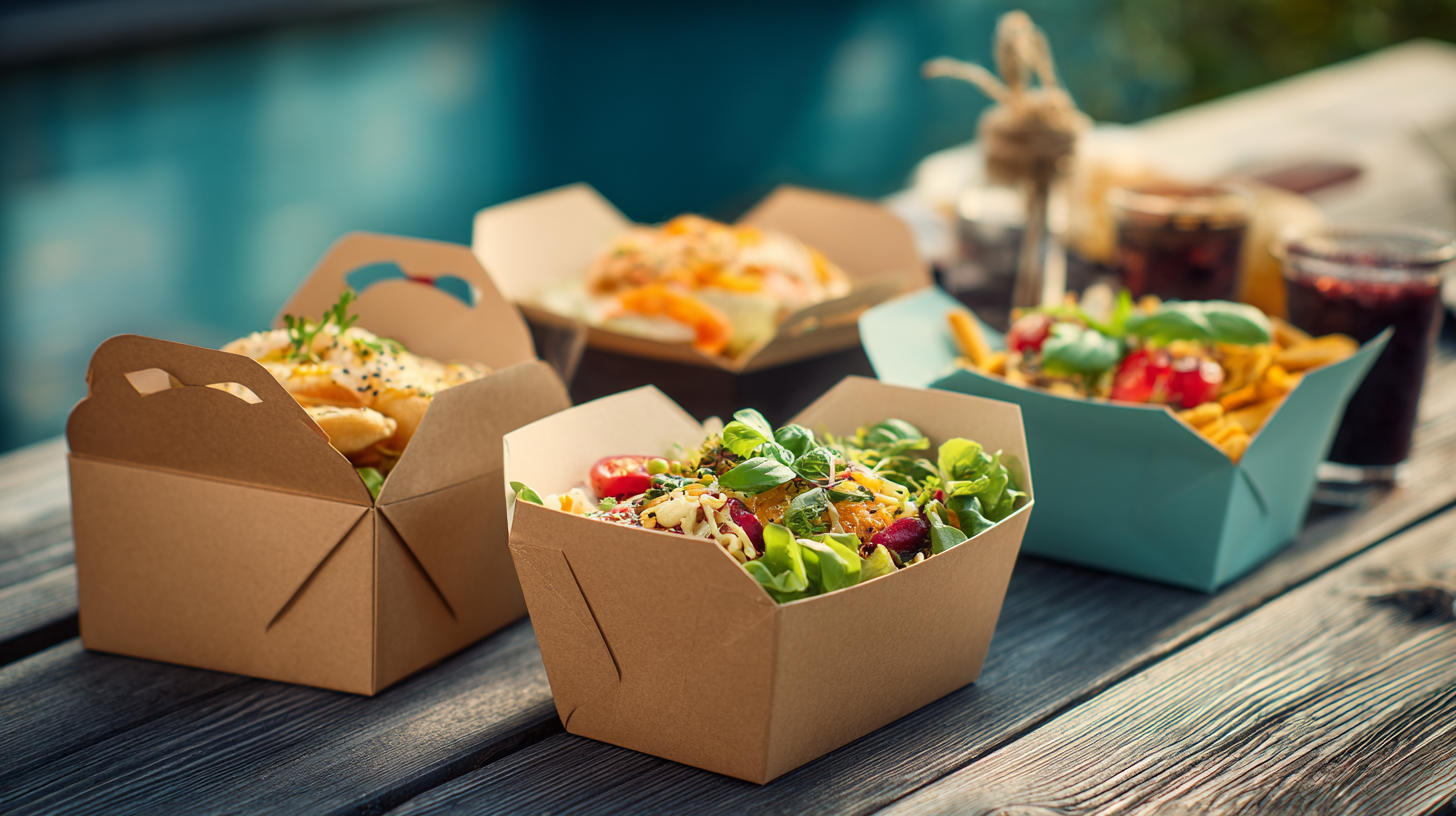
A big player in this game is bioplastics, which are made from renewable resources. Some estimates say that bioplastics could take up as much as 40% of the fast food packaging market by 2025, especially since brands are looking for better options than those old petroleum-based materials. Plus, sustainable paper products, like molded fiber and recycled paper, are making their way onto the scene too. The Fiber-based Packaging Association says that these materials could cut carbon footprints by as much as 60%. So, as we move forward, it’s clear that the industry is really focused on finding materials that are not just functional but also good for the planet. It’s exciting to think about what’s next for fast food containers!
Cost Implications of Transitioning to Green Packaging Solutions
You know, by 2025, we’re really gonna see a big push towards sustainable fast food packaging, and it looks like both consumer demand and some serious pressure from regulations are driving this shift. Recent insights show a pretty eye-opening statistic: more than 60% of folks are now saying they’d be willing to pay extra for products that come in eco-friendly packaging. This really growing awareness is shaking things up in the fast-moving consumer goods world, pushing brands to get creative and move towards greener options that tackle environmental issues.
Now, sure, the costs tied to switching up to sustainable packaging can be quite significant, but here's the kicker: it might actually save money in the long run and boost brand loyalty. I mean, a survey pointed out that only a tiny portion of companies are actually on track with their sustainability goals. But for those that are, they’re likely to see lower operational costs thanks to less waste and better recycling methods. Plus, the rise of biodegradable and recyclable packaging, along with cool new systems for reusable packaging, marks a major change in how businesses think about packaging. It’s not just about keeping products safe anymore; it’s becoming a key part of their sustainability game plan. Taking this all-rounded view means really understanding the entire lifecycle of packaging, which helps companies make smarter choices that match up with their financial goals and their commitment to the planet.
Consumer Preferences: The Push for Sustainable Fast Food Options
You know, in recent years, there’s been a pretty big shift in what people want when it comes to fast food. Sustainability is really becoming the star of the show! Folks are getting more and more aware of environmental issues, and as a result, they're on the lookout for food options that match their values. It’s not just a fad or anything; it’s more like a genuine commitment to cutting down on waste and reducing their carbon footprints. Companies have started to catch on, and they’re stepping up their game with all sorts of cool innovations, like sustainable fast food containers that are not just good for the planet but also look great to those who care.
These days, consumers are all about choices that use stuff like biodegradable plastics and recycled cardboard. This growing interest is pushing brands to rethink how they package their food, which is awesome because it helps them attract more environmentally-conscious customers. Plus, let’s not forget how social media is spreading the word about sustainability. Fast food chains are starting to realize that offering greener options can really set them apart from the competition. By aligning what they serve with what people expect in terms of sustainability, these businesses aren’t just boosting their image; they’re also playing a part in creating a more responsible food system.
Case Studies: Successful Implementation of Sustainable Containers in Fast Food Chains
You know, with more and more folks wanting to go green, fast food chains are really stepping up their game when it comes to sustainable packaging. Take McDonald's and Burger King, for example. They've poured a ton of resources into using biodegradable and compostable containers. McDonald's has even rolled out paper straws and packaging made from renewable stuff in various places. This isn't just about looking good—they're actually cutting down on plastic waste, and it's hitting home with consumers who care about making responsible choices when they eat out.
Then there's Burger King, which is all about their "Keep It Real Meals" campaign. They're clearly showing they mean business by using recyclable and compostable materials for their packaging. By teaming up with some cool packaging companies, they’ve managed to create a line of containers that keep food fresh while also being easier on the planet. These examples really show that fast food chains can make money and still do right by the Earth. Plus, this drive toward sustainability is catching on, pushing even more businesses to rethink how they handle packaging. It's all about paving the way for a greener future in fast food!
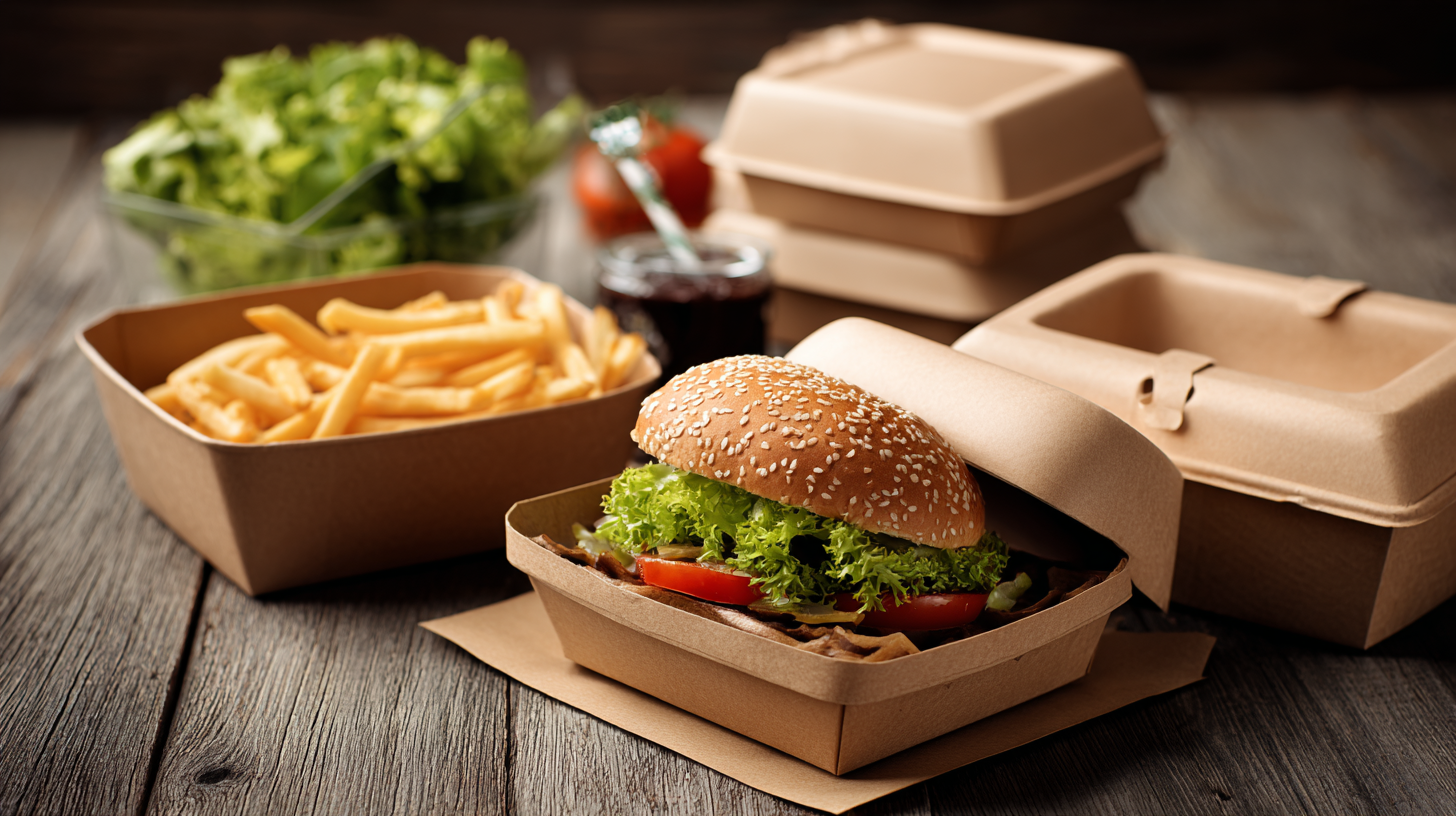
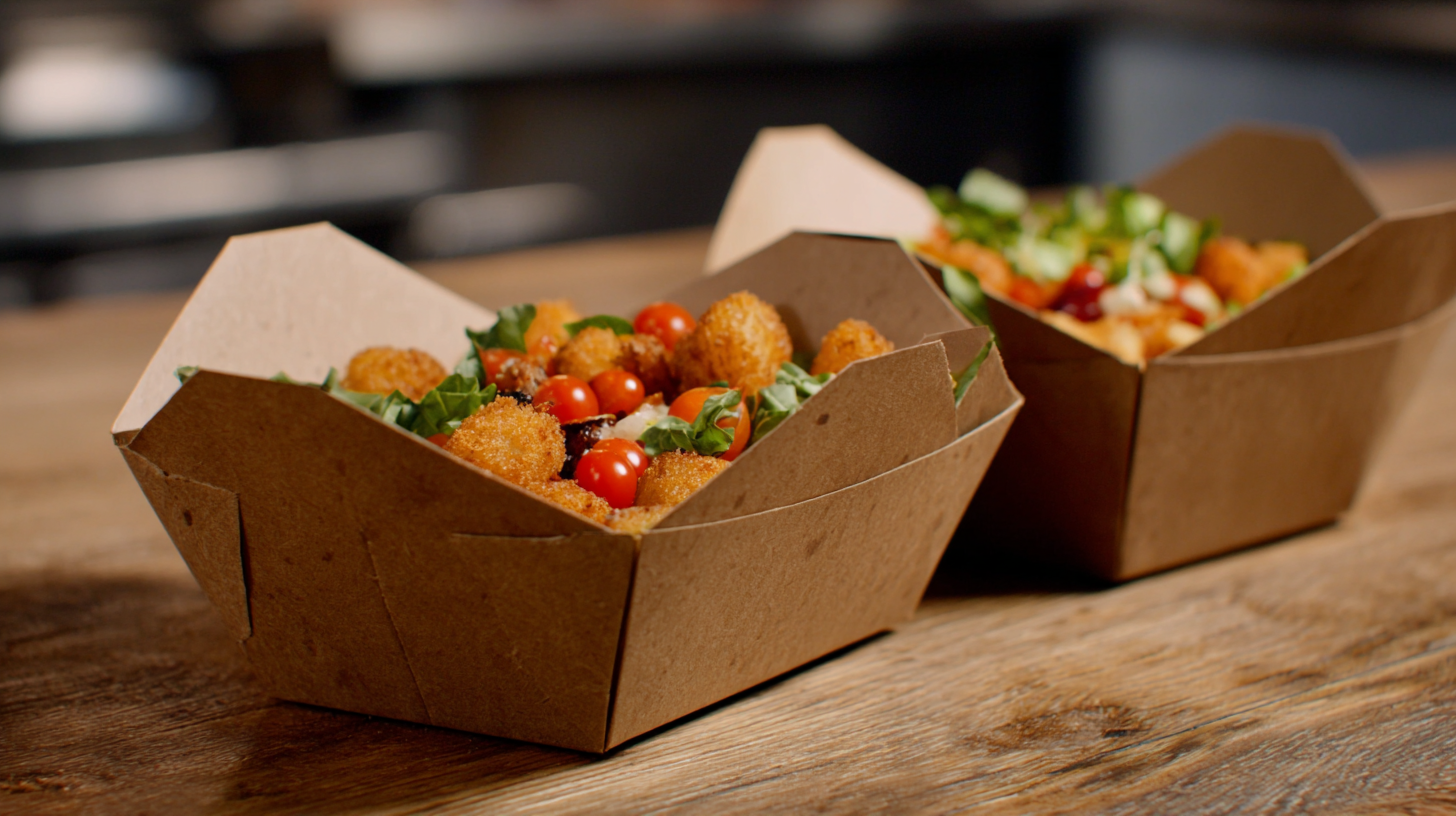
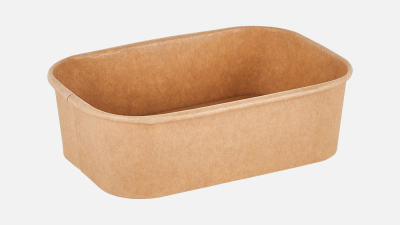
Versatile Kraft Rectangular Paper Bowls: The Perfect Microwave-Safe Solution for Hot and Cold Foods
When it comes to serving food, versatility and convenience are key. The Versatile Kraft Rectangular Paper Bowls offer the perfect microwave-safe solution for both hot and cold foods, making them an essential item for any food service business. Made from sturdy, biodegradable paper, these bowls are not only eco-friendly but also practical, ensuring that you can serve with confidence.
One of the standout features of these bowls is their leak-proof and grease-resistant design. This means you can serve saucy dishes or hearty meals without worrying about messy spills. Whether you’re operating a food truck, catering an event, or preparing takeout orders, these bowls provide a clean and hassle-free experience for both the server and the customer. Additionally, their sleek rectangular shape adds a modern touch to any food presentation, making them suitable for a variety of settings.
Designed with sustainability in mind, the Rectangular Paper Bowls embody a commitment to reducing waste while still delivering quality service. They are the perfect choice for those looking to combine convenience with an environmentally conscious approach. Whether it's for serving salads, pastas, or desserts, these bowls rise to the occasion, offering a reliable option that customers will appreciate.
FAQS
: Key materials include bioplastics made from renewable biomass sources and sustainable paper products like molded fiber and recycled paper.
Bioplastics are expected to capture up to 40% of the fast food packaging market by 2025.
The global demand for sustainable packaging is predicted to grow at a compound annual growth rate (CAGR) of 5.7%, reaching $500 billion by 2026.
Over 60% of consumers express a willingness to pay more for products using sustainable packaging, largely due to rising environmental consciousness.
While there may be considerable costs involved, transitioning to sustainable packaging can lead to long-term savings and enhanced brand loyalty through reduced waste and improved recycling processes.
Companies are now viewing packaging as a crucial component of their sustainability strategy, requiring them to consider the entire lifecycle of the packaging.
Sustainable paper products can reduce carbon footprints by up to 60%.
Stringent regulations targeting single-use plastics are significant drivers behind the push for sustainable packaging solutions in the fast food industry.
The increasing prioritization of eco-friendliness in purchasing decisions is driving brands to innovate and transition towards green packaging solutions.
Innovations include the introduction of biodegradable and recyclable materials, as well as advances in reusable packaging systems.